Kornet
Russia's primary man-portable anti-tank guided missile — a SACLOS laser-beam-rider with a tandem-HEAT warhead, fielded since 1998 and exported widely to over 20 countries and non-state actors.
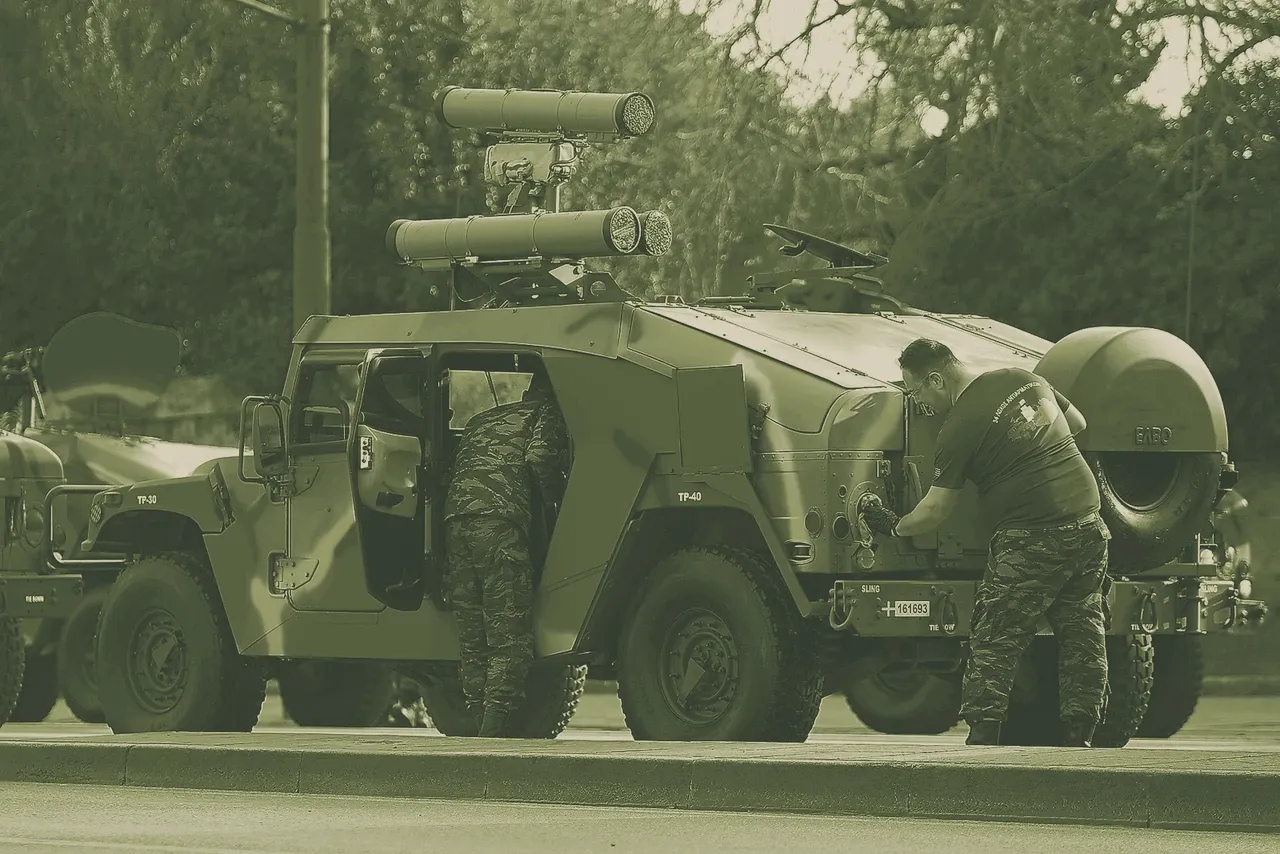

Russia's primary heavy anti-tank guided missile — a SACLOS laser-beam-rider with tandem-HEAT warheads, fielded since 1998 and exported to over 20 countries, from Moscow to Hezbollah.
Overview
The 9M133 Kornet (NATO designation AT-14 Spriggan) is a man-portable anti-tank guided missile (ATGM) that uses semi-automatic command to line-of-sight (SACLOS) laser beam-rider guidance. Developed by the Tula-based KBP Instrument Design Bureau, the Kornet fires a large tandem high-explosive anti-tank (HEAT) warhead capable of defeating modern explosive reactive armor, and can also be fitted with a thermobaric warhead for anti-personnel and bunker work. Its baseline range of 5.5 km (extended to 10 km on later variants) makes it a stand-off threat far beyond a tank’s main gun, and it has been one of the most widely disseminated Russian anti-armor weapons of the 21st century, exported to over 20 state and non-state operators.
🔒 The full Kornet file is for BattlePolicy Pro members. Below the line: development history, design and capabilities, variants, the combat record, advantages and limitations, comparable systems, outlook, the full specifications table, our sourcing, and the analyst assessment — procurement, suppliers and the BattlePolicy verdict. Unlock the full file with BattlePolicy Pro →
Below this point
- Development
- Design & capabilities
- Variants
- Combat record / operational use
- Advantages
- Drawbacks / limitations
- Counterparts
- Outlook
- Key specifications
- Sources
- Analyst Section
- Procurement & contracts
- Suppliers & related companies
- Comparable systems — analyst view
- Analyst note