Fortem DroneHunter F700
Fortem's DroneHunter F700 is a reusable, autonomous counter-UAS interceptor that captures hostile drones with nets instead of destroying them with explosives.
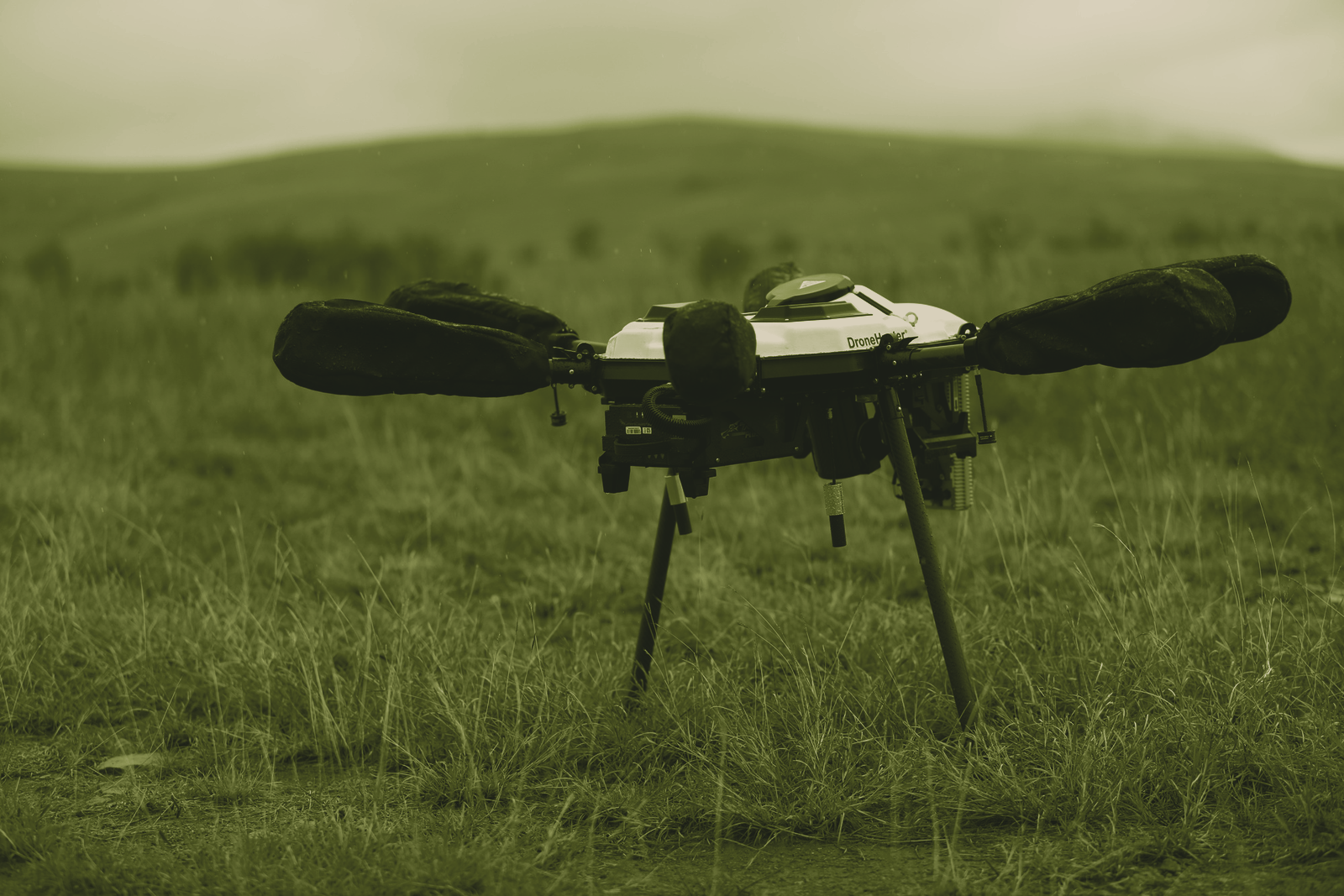
A reusable, radar-guided counter-UAS interceptor drone that captures hostile drones with nets, designed for low-collateral defense of bases, venues and critical infrastructure.
Overview
The Fortem DroneHunter F700 is a fully autonomous, radar-guided multi-rotor interceptor drone built by Fortem Technologies of Lindon, Utah. It is designed to defeat small hostile or unauthorized drones by physically capturing them in flight with expanding tether nets rather than using a missile, gun or explosive warhead. Fortem positions the F700 as the effector layer of its SkyDome system, alongside TrueView radar sensors and SkyDome Manager command-and-control software, according to the company's DroneHunter F700 product page.
The system's defining feature is non-explosive capture. Against smaller Group-1 targets, the DroneHunter can snare the aircraft and tow it to a safe recovery point; against larger Group-2 and some Group-3 targets, Fortem describes a DrogueNet option that releases the captured drone under parachute for controlled descent. That approach gives the system a different operational niche from missile or rocket-based counter-UAS weapons: it prioritizes low collateral risk, potential forensic recovery of the captured drone and reusability over long-range kinetic destruction.
🔒 The full Fortem DroneHunter F700 file is for BattlePolicy Pro members. Below the line: development history, design and capabilities, variants, the combat record, advantages and limitations, comparable systems, outlook, the full specifications table, our sourcing, and the analyst assessment — procurement, suppliers and the BattlePolicy verdict. Unlock the full file with BattlePolicy Pro →
Below this point
- Development
- Design & capabilities
- Variants
- Combat record / operational use
- Advantages
- Drawbacks / limitations
- Counterparts
- Outlook
- Key specifications
- Sources
- Analyst Section
- Procurement & contracts
- Suppliers & related companies
- Comparable systems — analyst view
- Analyst note