France boards a sanctioned Russian shadow-fleet tanker 400 miles off Brittany
French commandos rappelled onto the sanctioned tanker Tagor in the Atlantic, the fourth such boarding since September, as Western navies move shadow-fleet enforcement from paperwork to physical interdiction.
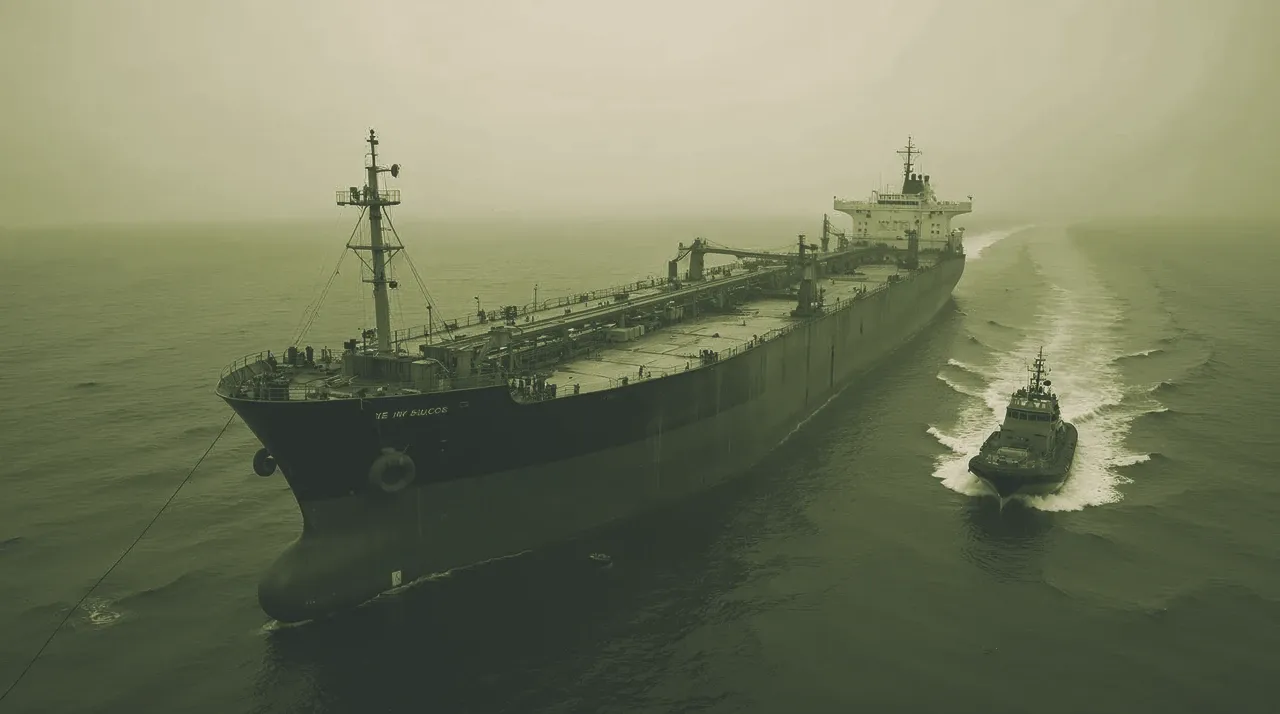
France's fourth shadow-fleet boarding since September moves Western sanctions enforcement off the paper and onto the deck of a tanker on the high seas.
French commandos rappelled from helicopters onto the oil tanker Tagor in the Atlantic on May 31, about 400 nautical miles west of Brittany in international waters, President Emmanuel Macron said on June 1. The operation ran with British and allied support, the Kyiv Independent and France24 noted. The 252-meter ship had loaded crude near the Russian Arctic port of Murmansk, according to the Jerusalem Post, and Ukraine's military-intelligence database lists it in Russia's shadow fleet.
Macron called it "unacceptable for ships to circumvent international sanctions, violate the law of the sea, and fund the war that Russia has been waging against Ukraine for more than four years," per the Kyiv Independent. The Tagor carries sanctions from the European Union, the United Kingdom and Ukraine, with the Jerusalem Post adding the United States and Switzerland. Its flag is unclear. Euromaidan Press records the ship as Cameroon-registered, while the Jerusalem Post reports a suspected false Madagascar flag, the kind of cover that hides a tanker's Russian links.
Moscow called the boarding "international piracy" and "illegal," spokesman Dmitry Peskov said, disputing French claims that it complied with international law, the Kyiv Independent wrote. The Tagor is the fourth suspected shadow-fleet vessel France has boarded since September 2025, per Euromaidan Press. Earlier ships were released; one captain was jailed, and another case ended in a multi-million-euro fine.
For most of 2025 the West worked the fleet with paperwork, the designations and port bans aimed at the aging tankers and shell companies the EU says carry most of Moscow's oil revenue. The crews are now going aboard. Belgian special forces took the tanker Ethera in the North Sea in February, later found under an expired false flag, according to the conflict-monitoring group ACLED, which also ties the same fleet to undersea-cable damage in the Baltic and North Sea.
The battlefield and the startup story — free in your inbox every week. No paywall.
Subscribe Free →That last link is why each boarding now does double duty, cutting Russian oil revenue and guarding seabed infrastructure at once. Watch Moscow's counter. ACLED says Russia has begun reflagging tankers to its own registry, which removes the legal opening boarding crews have used, and in one January case escorted a tanker with a submarine and aircraft.
Frequently Asked Questions
What ship did France board, and where?
French commandos boarded the oil tanker Tagor in the Atlantic on May 31, roughly 400 nautical miles west of Brittany and in international waters, President Macron said on June 1. The Kyiv Independent and France24 reported the operation ran with British and allied support.
Why is the Tagor considered part of Russia's "shadow fleet"?
The vessel loaded crude near Murmansk and is listed in Ukraine's military-intelligence database as a shadow-fleet ship, per the Jerusalem Post and Kyiv Independent. It carries sanctions designations from the EU, the UK and Ukraine, with the Jerusalem Post adding the United States and Switzerland.
How did the Kremlin respond?
Spokesman Dmitry Peskov called the seizure "international piracy" and "illegal" and disputed French claims that it complied with international law, the Kyiv Independent reported.
How many shadow-fleet tankers has France boarded?
Euromaidan Press counts the Tagor as the fourth suspected shadow-fleet vessel France has boarded since September 2025. Earlier ships were released, though one captain was jailed and another case ended in a multi-million-euro fine.
What does this signal about Western sanctions enforcement?
Enforcement is moving from designations and port bans to physical boardings. Belgian forces took the tanker Ethera in the North Sea in February, and the conflict-monitoring group ACLED links the same fleet to undersea-cable damage in the Baltic and North Sea, tying interdiction to infrastructure protection.
AI-generated summary, reviewed by an editor. More on our AI guidelines.

Marcus Schuler
Marcus Schuler edits BattlePolicy, a daily defense-technology brief connecting the companies and capabilities behind modern war to the contest among Europe, the US, Russia, and China.