Germany scraps its F126 frigates, stranding Rheinmetall's naval bet
Berlin killed its largest warship program since World War II over cost and delay, choosing eight smaller TKMS frigates for NATO submarine-hunting and repricing the naval premium Rheinmetall paid €1.5 billion to build.
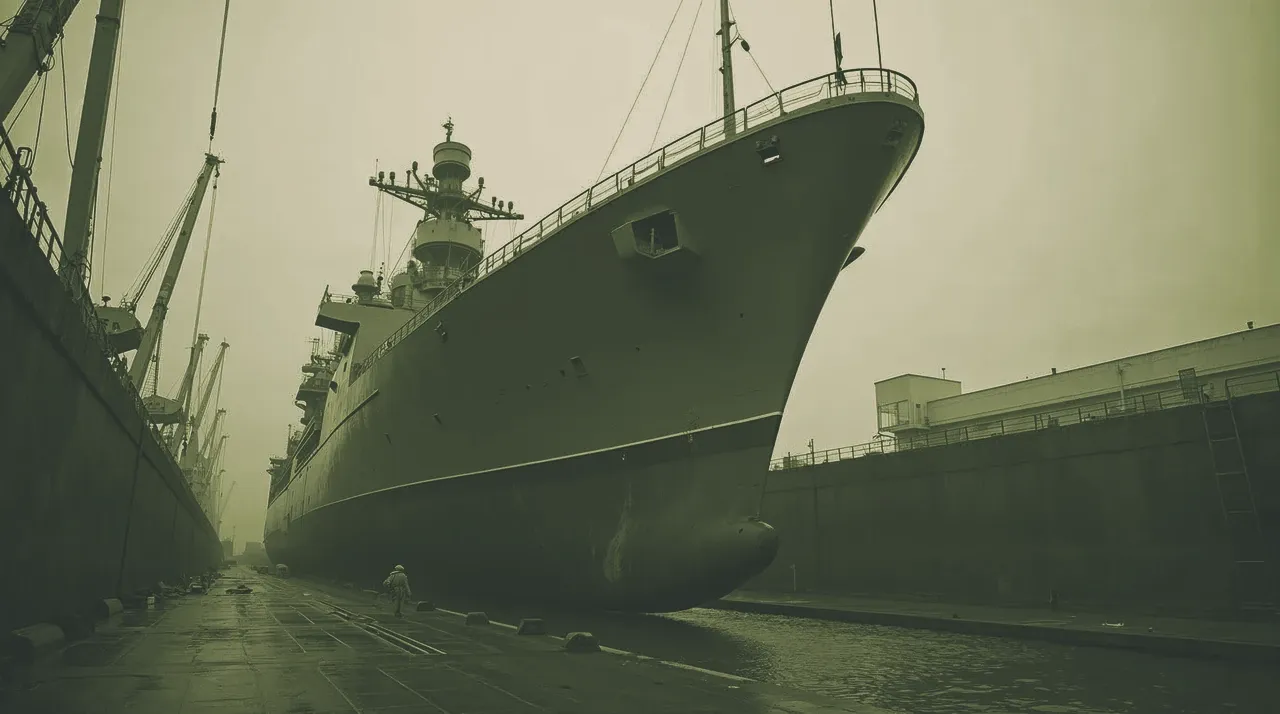
Berlin killed its largest warship program since World War II over cost and delay, choosing eight smaller TKMS frigates for NATO submarine-hunting and repricing the naval premium Rheinmetall paid €1.5 billion to build.
Germany's defense ministry said on Wednesday it will end the six-ship F126 frigate program, Euronews reported. The projected bill had climbed toward €18 billion, against an original €10 billion plan. About €2.3 billion is already gone, spent on design, software and construction, Die Welt wrote, citing ministry figures. Most of that the state expects to write off.
Defense Minister Boris Pistorius wants eight MEKO A-200 frigates from Thyssenkrupp Marine Systems instead. The first four carry a price near €6.3 billion. An option on four more, about €5.3 billion, runs to the end of 2026, ESUT reported, citing the ministry. These are smaller ships. The F126 was drawn at 166 meters and 10,500 tonnes; the MEKO A-200 displaces 4,200 tonnes at 120 meters. It tied the smaller hull to one mission, anti-submarine warfare, the navy's core NATO job.
Rheinmetall takes the loss. Dutch builder Damen won the contract in 2020, then hit delays, software faults and a falling-out with Germany's procurement office. The lead role had been moving to Rheinmetall, which paid about €1.5 billion this year for Naval Vessels Lürssen to enter shipbuilding, then offered a revised F126 deal worth €12.8 billion. Berlin turned it down, according to Investing.com. The stock fell as much as 16% on Wednesday, its steepest intraday drop in more than a year, Seeking Alpha said. TKMS gained about 10%.
The battlefield and the startup story — free in your inbox every week. No paywall.
Subscribe Free →Investors had priced a naval premium into Rheinmetall since the Lürssen purchase, and it came off in one session. The €73 billion order backlog and full-year guidance held. What is left is a shipyard bought for a canceled program. A KNDS listing valued near €15 to 18 billion, due in early July, opens another draw on European defense capital.
Frequently Asked Questions
Why did Germany cancel the F126 frigate program?
The defense ministry cited cost increases, delays and the risk of switching prime contractors, Euronews reported. Continuing would have pushed the total bill above €18 billion, against an original €10 billion plan.
What is Germany buying instead?
Eight MEKO A-200 frigates from Thyssenkrupp Marine Systems, primarily for anti-submarine warfare, ESUT reported, citing the ministry. The first four would cost about €6.3 billion, with an option on four more for roughly €5.3 billion by the end of 2026.
How much had already been spent on the F126?
About €2.3 billion, on design, software and construction, according to Die Welt citing ministry figures, much of which the government expects to write off.
Why did Rheinmetall's share price fall?
Rheinmetall had been set to take over the program as lead contractor and had bought Naval Vessels Lürssen for about €1.5 billion to enter shipbuilding. Berlin rejected its revised F126 deal worth €12.8 billion, per Investing.com, and the stock fell as much as 16%, its steepest intraday drop in over a year, Seeking Alpha said.
How do the MEKO A-200 frigates compare to the F126?
They are much smaller. The F126 was drawn at 166 meters and 10,500 tonnes; the MEKO A-200 displaces 4,200 tonnes at 120 meters, per Euronews.
AI-generated summary, reviewed by an editor. More on our AI guidelines.

Marcus Schuler
Marcus Schuler edits BattlePolicy, a daily defense-technology brief connecting the companies and capabilities behind modern war to the contest among Europe, the US, Russia, and China.