Iran fires its first ballistic salvo at Israel since the April truce
Iran's first ballistic strike since April aimed at two of Israel's main air bases; the IDF claims a clean intercept, and the exchange now sits on top of the US-Iran talks.
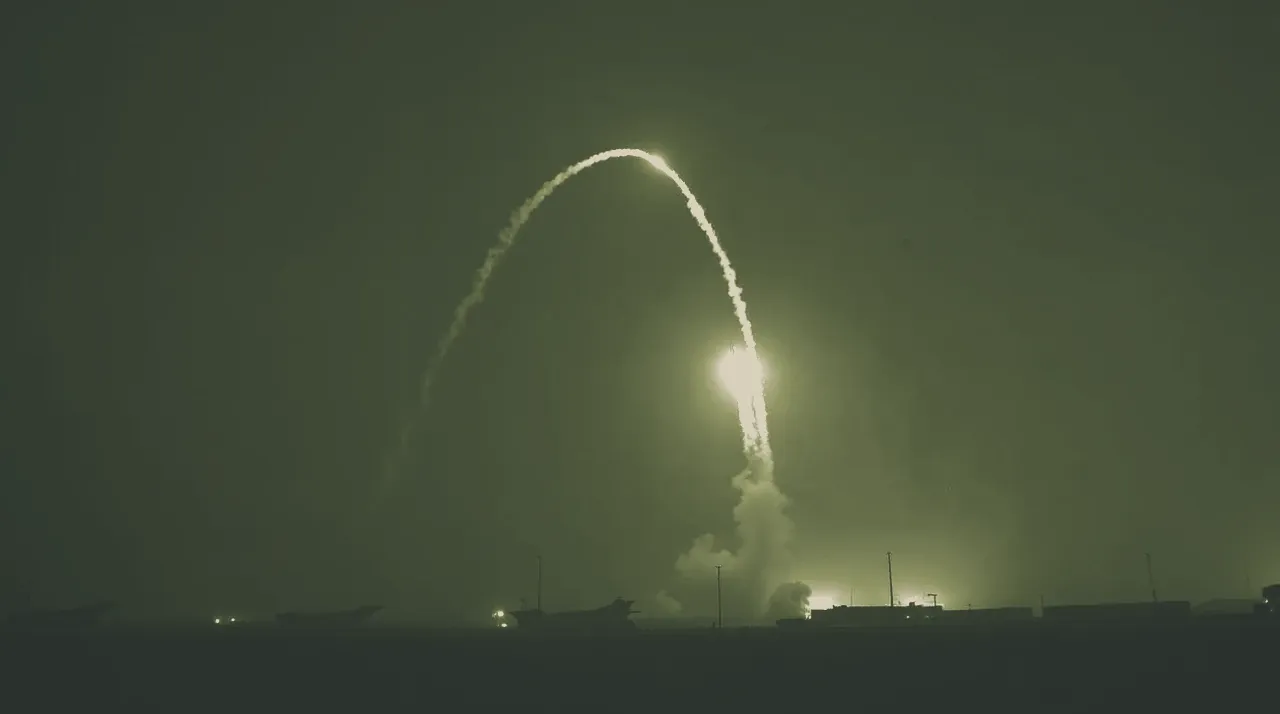
Iran's first ballistic strike since April aimed at two of Israel's main air bases; the IDF claims a clean intercept, and the exchange now sits on top of the US-Iran talks.
Iran fired waves of ballistic missiles at Israel on the night of June 7 into June 8, its first such strike since the April 8 ceasefire, Defence Blog reported. The Revolutionary Guard called the operation Nasr and said it aimed at two air bases: Nevatim, the main base for Israel's F-35I Adir fleet, and Tel Nof, which hosts F-16I squadrons.
Israel said its air defenses intercepted every missile and that no one was hurt, though a fragment from one interception damaged homes in a West Bank settlement. The barrage ran to about 10 missiles in roughly four waves inside an hour, according to Axios, with sirens across northern and central Israel and into Jordan. Iran said the salvo answered an Israeli strike hours earlier on a Hezbollah command center in Beirut's Dahieh district, and the Revolutionary Guard threatened wider attacks if the bombing of Lebanon continued.
Israel struck back the same morning. Its air force hit military targets and a petrochemical plant in western and central Iran, the IDF said, and explosions were heard in Tehran, Tabriz and Isfahan. The Guard told AP it had only launched after Israel hit radar sites in three parts of Iran. Yemen's Houthis joined the fight too, firing at Israel and declaring a blockade on Israel-linked shipping in the Red Sea, NPR reported.
The battlefield and the startup story — free in your inbox every week. No paywall.
Subscribe Free →The launch geometry is the part worth watching for the air-defense picture. Iran spread its launches across at least eight provinces, from Urmia and Tabriz in the northwest down to Isfahan and Khorramabad, which Defence Blog read as an effort to keep Israeli jets from suppressing the batteries before they fired. A clean intercept against a dispersed, multi-wave barrage aimed at the bases that fly Israel's most capable aircraft is the figure the IDF will cite. Each of those engagements also burns interceptors from magazines the Iran war has already drawn down.
Diplomacy carries the heavier cost. The exchange broke a truce that had held since April and put at direct risk the US-Iran negotiations Washington has been pushing, Axios reported. Trump said he would call Netanyahu and press him to hold off, per NPR. Israel struck anyway, on the war's 100th day. The next test is whether Iran fires again at the bases, or whether mediators can pull the ceasefire back together first.
Frequently Asked Questions
What did Iran target in the June 7-8 attack?
Iran's Revolutionary Guard said the strike, named Operation Nasr, targeted two Israeli air bases: Nevatim, the main base for the F-35I Adir fleet, and Tel Nof, which hosts F-16I squadrons, according to Defence Blog.
Did Israel's air defenses stop the missiles?
The IDF said it intercepted all of the incoming missiles with no casualties, though a fragment from one interception damaged homes in a West Bank settlement, per Defence Blog and Axios.
How many missiles did Iran fire?
Axios reported about 10 missiles launched in roughly four waves over less than an hour at northern and central Israel.
Why did the exchange happen now?
Iran said the salvo answered an Israeli airstrike on a Hezbollah command center in Beirut's Dahieh district, per The War Zone and Axios. It was the first Iran-Israel exchange since the April 8 ceasefire.
How did Israel respond?
The IDF said its air force struck military targets and a petrochemical plant in western and central Iran, with explosions reported in Tehran, Tabriz and Isfahan, according to The Times of Israel.
What does it mean for US-Iran talks?
Axios reported the exchange threatens to unravel the US-Iran negotiations; NPR reported Trump urged Netanyahu to hold off on retaliating before Israel struck anyway on the war's 100th day.
AI-generated summary, reviewed by an editor. More on our AI guidelines.

Marcus Schuler
Marcus Schuler edits BattlePolicy, a daily defense-technology brief connecting the companies and capabilities behind modern war to the contest among Europe, the US, Russia, and China.