Israel runs Iron Beam laser alongside Iron Dome in first joint air-defense drill
Israel ran its Iron Beam laser alongside Iron Dome for the first time in a joint drill, letting commanders trade $50,000 interceptors for near-free laser shots against cheap drones.
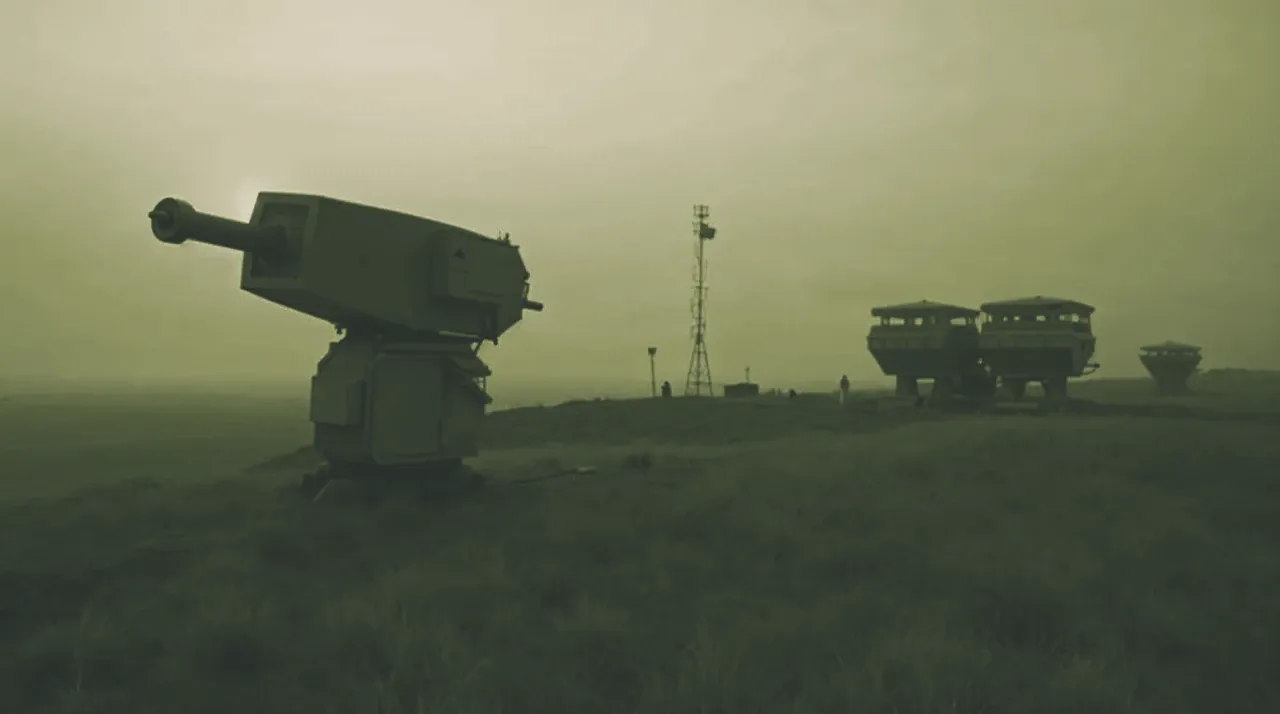
Israel ran its Iron Beam laser alongside Iron Dome for the first time in a joint drill, letting commanders trade $50,000 interceptors for near-free laser shots against cheap drones.
Israel completed a test series pairing an upgraded Iron Dome with the Iron Beam high-energy laser, running both from Iron Dome's battle-management center against rockets, cruise missiles and drones, the Defense Ministry said in a statement Tuesday. Drones were the focus of the video the ministry released, Defense News reported. The trials were run by the Israel Missile Defense Organization, known as Homa, together with Rafael, which builds both systems.
Wiring the laser into Iron Dome's command system lets a commander switch between a missile shot and a laser pulse according to the threat, what is available and the cost, Defense News reported, a step it described as a prerequisite for fielding the two together. The economics behind that choice are steep: an Iron Beam pulse runs a few dollars, while a single Tamir interceptor costs roughly $50,000, according to the same account. Against a saturation salvo of low-cost Hezbollah drones, a battery holding about 20 interceptors runs dry fast. The laser engages out to about 10 kilometers and neutralizes a target within four to five seconds, and it does not run out of ammunition as long as it has power.
Israel declared Iron Beam operational in December 2025 and took delivery of the first system that month. It saw little use in this year's war with Iran because too few batteries had been built to matter, top IDF officers told The Jerusalem Post. Coverage remains partial, and the military is seeking at least 14 batteries against the single one it has deployed, The Times of Israel reported. The test series folded in lessons from the war, when Israel absorbed heavy ballistic-missile barrages, some shedding cluster munitions, the Post noted. Those ballistic threats are handled by the Arrow system, not this pairing.
The battlefield and the startup story — free in your inbox every week. No paywall.
Subscribe Free →Moshe Patel, who heads Homa, said the drill practiced integrating the laser into Iron Dome's command-and-control array and that his directorate is also working to accelerate interceptor production in Israel and the United States. Rafael is exporting the same layered air-defense mix: the company signed a $2.3 billion deal to supply Romania its Spyder system on June 29, Defense News reported. Whether Israel and those buyers can produce laser batteries fast enough to swap cheap shots for costly interceptors is the question the next round of fielding will answer.
Frequently Asked Questions
What did Israel actually test?
The Defense Ministry said it completed a test series on an upgraded Iron Dome and ran the Iron Beam high-energy laser alongside it in joint scenarios managed from Iron Dome's battle-management center, against rockets, cruise missiles and drones. Drones were the focus of the released footage, per Defense News.
Why pair a laser with missile interceptors?
Cost. Defense News reported an Iron Beam pulse runs a few dollars while a single Tamir interceptor costs roughly $50,000. Wiring the two into one command system lets a commander pick a cheap laser shot for a cheap drone and save missiles for harder targets.
Is Iron Beam already in service?
Israel declared Iron Beam operational in December 2025 and received the first system that month, according to The Jerusalem Post and The Times of Israel. It saw little use in this year's war with Iran because too few batteries had been built.
How many laser batteries does Israel want?
The military is seeking at least 14 Iron Beam batteries against the one it has deployed, and its coverage remains partial, The Times of Israel reported.
What is the Iron Beam's range and reaction time?
Defense News reported the laser engages targets at ranges up to about 10 kilometers and neutralizes a target within four to five seconds of locking on. Because it draws on a power supply rather than a magazine, it does not run out of ammunition.
Does this pairing handle ballistic missiles?
No. Ballistic missiles, the main threat Iran fired at Israel, are handled by the Arrow system, not the Iron Dome and Iron Beam pairing, according to The Jerusalem Post.
AI-generated summary, reviewed by an editor. More on our AI guidelines.

Marcus Schuler
Marcus Schuler edits BattlePolicy, a daily defense-technology brief connecting the companies and capabilities behind modern war to the contest among Europe, the US, Russia, and China.