Rafael and SpearUAV put a hard-kill drone interceptor on the vehicle itself
The Iron Dome maker is pushing aerial interception down to the individual vehicle, aimed at the fiber-optic FPV drones that shrug off jammers on the front.
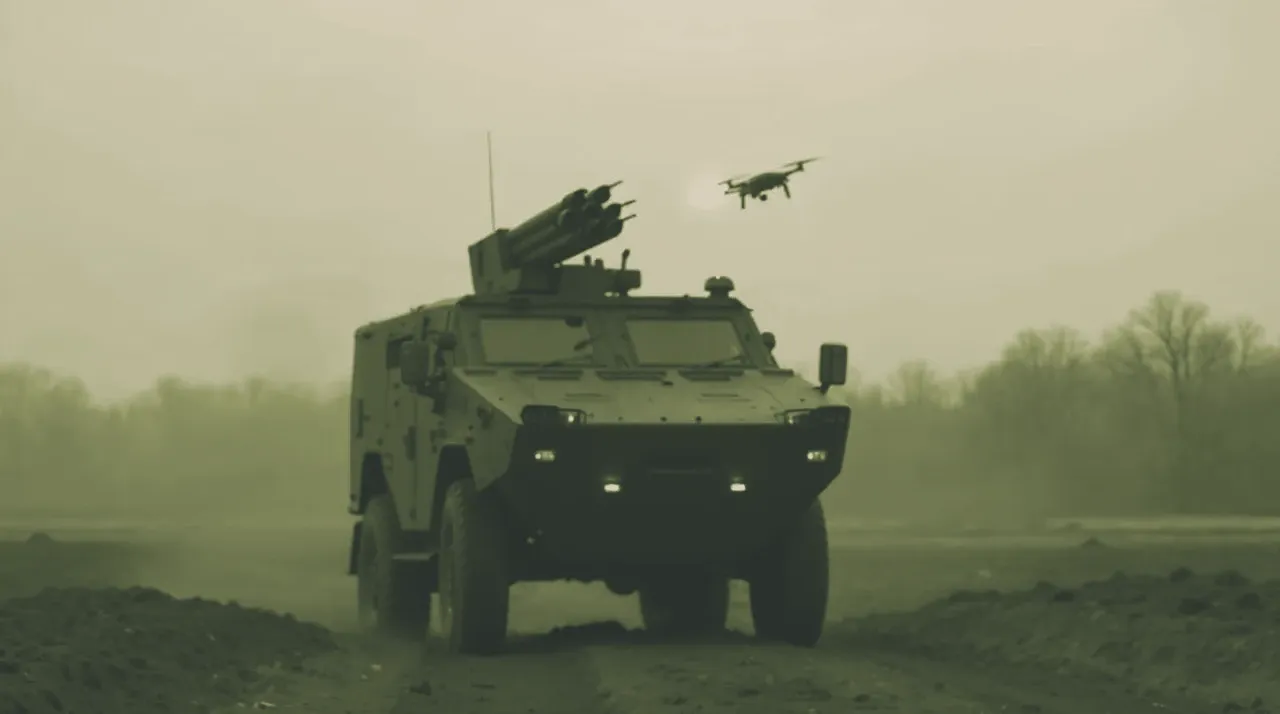
The Iron Dome maker is pushing aerial interception down to the individual vehicle, aimed at the fiber-optic FPV drones that shrug off jammers on the front.
Rafael Advanced Defense Systems and the Israeli startup SpearUAV will co-develop Iron Wasp, a vehicle-mounted drone interceptor unveiled at Eurosatory in Paris, Calcalist reported. It fires a small interceptor from a canister launcher bolted to a combat vehicle's roof, then runs the engagement on its own.
The interceptor is built on SpearUAV's Viper I. A radar cues the launch toward an incoming drone; in the terminal phase the round flies itself, using an electro-optical seeker and machine vision to close on the target, per Interesting Engineering. Its launcher is low size, weight and power, so it bolts onto armored personnel carriers, infantry fighting vehicles, main battle tanks, armored cars and unmanned ground vehicles with little modification.
What sets it apart is the kill mechanism. Iron Wasp destroys the drone physically, and that matters against fiber-optic FPVs immune to radio jamming. Roughly 80 percent of some hostile drones in recent fighting fly on fiber-optic guidance, according to The Defense News, a threat electronic warfare cannot touch. A Rafael promotional video shows FPV drones diving on an armored column as interceptors launch from a roof canister and the vehicles keep rolling.
Then there is the pairing. Rafael builds the Trophy active protection system, the Drone Dome counter-drone suite and the Iron Beam laser; SpearUAV brings the encapsulated drone. Iron Wasp slots a platform-level layer beneath those higher-echelon systems, handing each vehicle its own interceptor rather than leaning on area air defense. Neither company has set a production timeline.
The battlefield and the startup story — free in your inbox every week. No paywall.
Subscribe Free →Demand is tracking the threat. Rafael booked NIS 8.2 billion in new orders last quarter against a record NIS 76.4 billion backlog, the same Calcalist report noted, as Israel weighs a partial privatization that could value the firm near NIS 70 billion. The drone-versus-armor problem Iron Wasp answers is the one the war in Ukraine has spent two years writing down. Whether a canister of interceptors on every vehicle is the affordable answer is the bet those order books are now making.
Frequently Asked Questions
What is Iron Wasp?
It is a vehicle-mounted drone interceptor that Rafael Advanced Defense Systems and the Israeli startup SpearUAV are co-developing, unveiled at Eurosatory in Paris, Calcalist reported. It fires a small interceptor from a canister launcher mounted on a combat vehicle's roof to shoot down hostile drones.
How does the system work?
Iron Wasp is built on SpearUAV's Viper I interceptor. A radar cues the launch toward an incoming drone, and the round then flies autonomously in the terminal phase, using an electro-optical seeker and machine vision to close on the target, per Interesting Engineering.
Why does a "hard kill" matter against drones?
Iron Wasp destroys the drone physically rather than jamming it, which matters against fiber-optic-guided FPV drones that are immune to radio jamming. Roughly 80 percent of some hostile drones in recent fighting fly on fiber-optic guidance, according to The Defense News.
Which vehicles can carry it?
Its low size, weight and power launcher is designed to mount on armored personnel carriers, infantry fighting vehicles, main battle tanks, armored cars and unmanned ground vehicles with little modification, according to The Defense News.
When will Iron Wasp be fielded?
Neither company has announced a production timeline or an expected operational deployment date for the system, The Defense News reported.
AI-generated summary, reviewed by an editor. More on our AI guidelines.

Marcus Schuler
Marcus Schuler edits BattlePolicy, a daily defense-technology brief connecting the companies and capabilities behind modern war to the contest among Europe, the US, Russia, and China.