Storm Shadow maker MBDA signs on to develop Ukraine's Neptune-2 cruise missile
Europe's largest missile house is co-developing a sovereign Ukrainian deep-strike weapon, not donating range-capped Western stock, a shift in how the continent arms Kyiv.
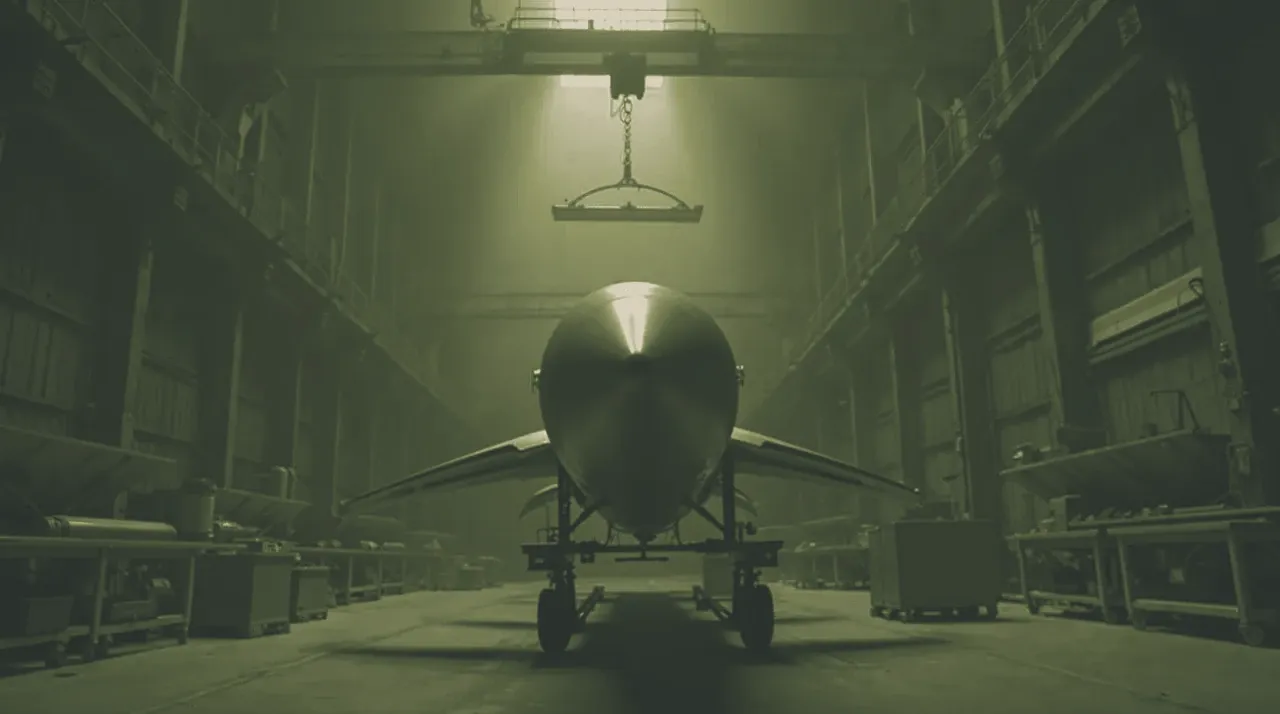
Europe's largest missile maker will help build a Ukrainian deep-strike missile rather than donate a Western one, the second such MBDA-Kyiv deal this month.
MBDA, the pan-European maker of the Storm Shadow cruise missile, signed a memorandum of understanding with Ukraine's state Luch Design Bureau to jointly develop the Neptune-2 cruise missile, MBDA announced June 16.
Luch built the original R-360 Neptune, the anti-ship missile that sank the cruiser Moskva in April 2022. That round carried a 150-kilogram warhead about 280 kilometers. The land-attack "Long Neptune" now in service reaches a reported 1,000 kilometers with a 260-kilogram warhead, Militarnyi wrote. Neptunes struck weapons storage in Sevastopol on June 11 and disabled two units at the Novoshakhtinsk refinery in Russia's Rostov region on the night of May 31, per Liga.net.
The MoU sets no specifications for the Neptune-2 and funds no production. MBDA and Luch will "pursue disruptive innovation to develop the deep strike capability for Neptune-2," the company said. MBDA is jointly owned by Airbus, BAE Systems, and Leonardo. Ukraine already fires its Storm Shadow.
A co-developed missile sidesteps the range limits and political conditions on donated ATACMS and Storm Shadow. Ukraine keeps the design; MBDA gains combat-tested intellectual property and a wartime production line. The company signed a separate MoU with Ukrainian Armor on deep-strike and counter-drone systems on June 10.
The battlefield and the startup story — free in your inbox every week. No paywall.
Subscribe Free →Whether the memorandum becomes a funded, specified program is the next marker. Luch built the original Neptune for about $36 million, General Serhiy Kryvonos has said. Its missiles already reach Russian refineries.
Frequently Asked Questions
What did MBDA and Luch agree to?
MBDA and Ukraine's state Luch Design Bureau signed a memorandum of understanding to jointly develop the Neptune-2 cruise missile, MBDA announced on June 16. The two said they would "pursue disruptive innovation to develop the deep strike capability for Neptune-2."
What is the Neptune missile?
The R-360 Neptune is a Ukrainian cruise missile built by Luch. It began as an anti-ship weapon and sank the Russian cruiser Moskva in April 2022.
How far does the Neptune reach?
The original anti-ship version carried a 150-kilogram warhead about 280 kilometers. The land-attack "Long Neptune" now in service reaches a reported 1,000 kilometers with a 260-kilogram warhead, per Militarnyi.
Does the deal commit any production?
No. The memorandum sets no specifications for the Neptune-2 and funds no production. It is a co-development understanding rather than a manufacturing contract.
Why does the partnership matter?
A co-developed Ukrainian missile sidesteps the range limits and political conditions attached to donated ATACMS and Storm Shadow. It follows a separate June 10 MBDA memorandum with Ukrainian Armor on deep-strike and counter-drone systems.
AI-generated summary, reviewed by an editor. More on our AI guidelines.

Marcus Schuler
Marcus Schuler edits BattlePolicy, a daily defense-technology brief connecting the companies and capabilities behind modern war to the contest among Europe, the US, Russia, and China.