The Pentagon's China military list now reaches drones, robots, and memory chips
The Pentagon's expanded 1260H roster reaches past Alibaba and BYD to the dual-use suppliers, drone maker Autel and robot maker Unitree among them, that feed China's defense base.
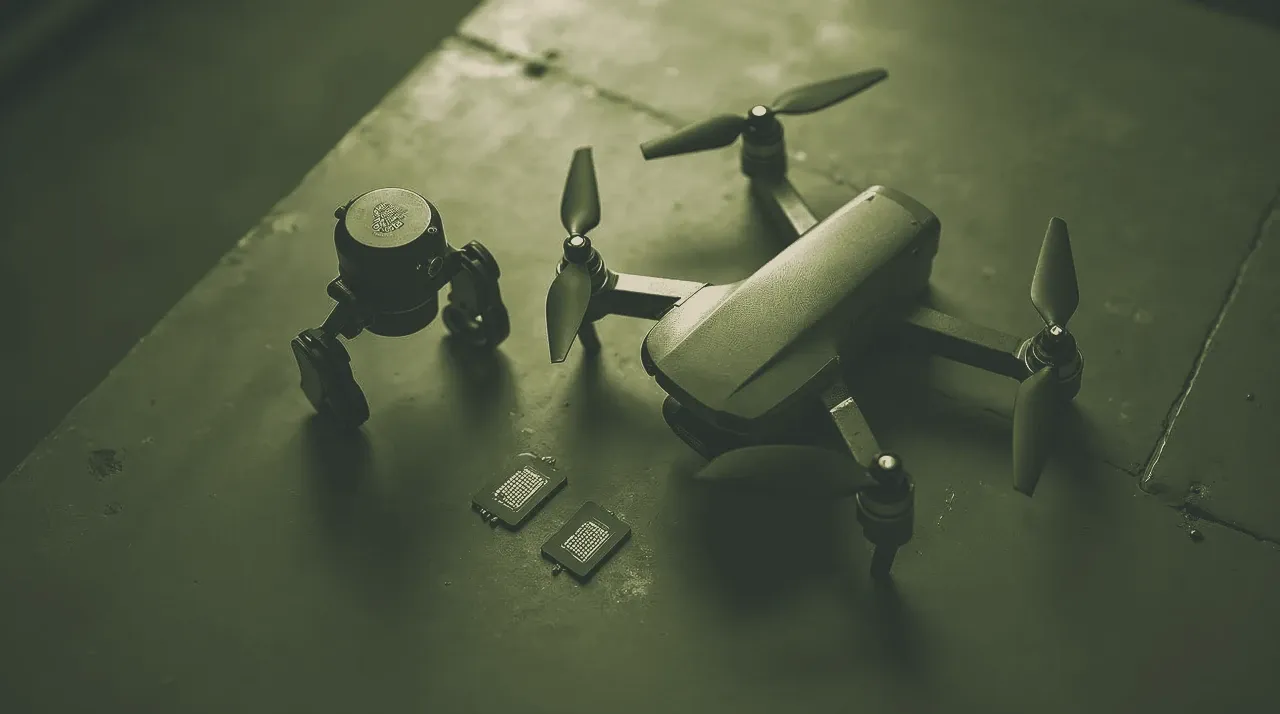
The Pentagon's expanded 1260H roster reaches past Alibaba and BYD to the dual-use suppliers, drone maker Autel and robot maker Unitree among them, that feed China's defense base.
The Pentagon added about 65 Chinese companies to its Section 1260H list of "Chinese military companies" on Monday, pushing the roster to 188 and folding in e-commerce giant Alibaba, search firm Baidu, and EV maker BYD, CNBC reported.
The headline names are consumer brands. The defense-tech weight sits lower on the list. The update designates drone maker Autel, humanoid-robot builder Unitree, lidar firm RoboSense, and memory chipmakers CXMT and YMTC, each tagged a "military-civil fusion" contributor to China's defense industrial base, the Defense Department notice shows. Autel's two units were cited for their state "Little Giant" status.
A 1260H listing is not a sanction. It bars the Defense Department from contracting directly with the firms from June 30, and from buying their goods or services through third parties starting June 2027, CNBC reported. That reaches into the supply chain, where a US program cannot buy a subsystem running on a listed company's chips or sensors.
The timing lands weeks after President Trump met Xi Jinping in Beijing. Baidu's US shares fell 2.1% on the news, with Alibaba and BYD each off about 0.8%. Alibaba said there is "no basis" for the listing and threatened legal action, and Nio said the curbs would not hurt its business. Unitree's inclusion comes days after Nvidia said it would build research robots with the company, the Guardian reported. China's foreign ministry called the list discriminatory and said Beijing would take necessary measures.
The battlefield and the startup story — free in your inbox every week. No paywall.
Subscribe Free →The list draws a defense-tech perimeter around China's commercial champions. From June 30, the Pentagon's question is not whether it buys from Autel or Unitree, but whether anything it buys contains them.
Frequently Asked Questions
What is the Pentagon's 1260H list?
It is the Defense Department's roster, mandated by Section 1260H of the FY2021 NDAA, of companies it identifies as "Chinese military companies" operating in the US and contributing to China's military-civil fusion strategy, per CNBC and the Defense Department notice.
Which companies were added?
About 65 entities, bringing the total to 188. They include Alibaba, Baidu, BYD, and Nio, plus dual-use suppliers such as drone maker Autel, humanoid-robot builder Unitree, lidar firm RoboSense, and memory chipmakers CXMT and YMTC, per CNBC, the Guardian, and the Defense Department notice.
Does the listing impose sanctions?
No. It bars the Defense Department from contracting directly with the listed firms starting June 30, and from buying their products or services through third parties beginning June 2027, CNBC reported.
How have the companies and Beijing responded?
Alibaba said there is "no basis" for the listing and threatened legal action, Baidu rejected it, and Nio said its business would be unaffected, per CNBC. China's foreign ministry called the list discriminatory and said it would take necessary measures to protect Chinese firms.
Why does this matter for defense tech?
The list now sweeps in China's dual-use commercial suppliers of drones, robots, lidar, and memory chips, the same categories feeding modern military programs, and the post-June 30 contracting bar extends to subsystems built on their components, per CNBC and the Defense Department notice.
AI-generated summary, reviewed by an editor. More on our AI guidelines.

Marcus Schuler
Marcus Schuler edits BattlePolicy, a daily defense-technology brief connecting the companies and capabilities behind modern war to the contest among Europe, the US, Russia, and China.