Trump calls off a third night of Iran strikes for a settlement Tehran says is not final
Hours after threatening to seize Kharg Island, the White House paused its air campaign for a memorandum that Iran's foreign ministry calls speculative and unfinished.
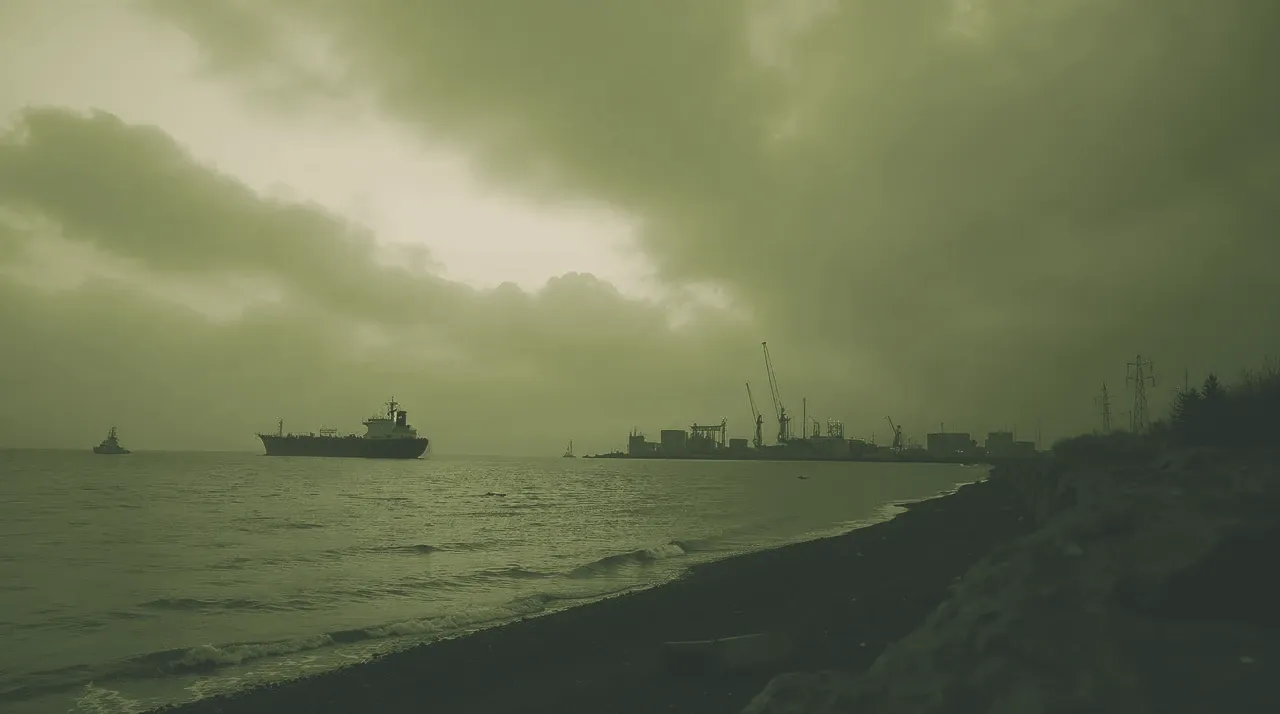
Hours after threatening to seize Kharg Island, the White House paused its air campaign for a memorandum that Iran's foreign ministry calls speculative and unfinished.
President Donald Trump canceled a planned third consecutive night of strikes on Iran on June 11, saying negotiators had "just made a great settlement," the BBC reported. The reversal came hours after he posted that the US would hit Iran "very hard tonight," threatened to seize Kharg Island, the terminal that handles about 90 percent of Iranian oil exports, and promised "total control" of Iran's oil and gas sectors. US forces were hours from launching when the order came down, the Jerusalem Post reported, citing a US official.
Trump told reporters the documents are in "pretty final shape," with a signing "probably, maybe in Europe" and possibly as soon as this weekend. Two sources familiar with the talks told CBS News that a letter of intent or memorandum of understanding is more likely early next week. Tehran is not confirming any of it. Foreign ministry spokesperson Esmail Baghaei called the reports "speculative," said "nothing has been finalised," and accused Washington of adding "new requests" to a text that was mostly settled, per the BBC.
The terms Trump described would bar Iran from a nuclear weapon and reopen the Strait of Hormuz "as soon as we have it signed." The naval blockade stays until then. US forces have fired on nine vessels since it began, and India summoned a senior American diplomat after three Indian sailors died in a strike on a blockade runner in the Gulf of Oman, per the BBC. Israel is "not a party to the memorandum," Netanyahu's office said, while listing what it expects: enriched material removed, enrichment infrastructure dismantled, missile production capped, proxy support ended.
Markets moved faster than the diplomats. Brent crude dropped 4.4 percent to about $89 a barrel on the announcement, and US stock indexes jumped, CNBC reported.
The battlefield and the startup story — free in your inbox every week. No paywall.
Subscribe Free →Trump set the test himself: documents in days, a signing in Europe. He walked away once before, in late May, after reports had both sides close to terms.
Frequently Asked Questions
Why did Trump cancel the June 11 strikes?
Trump said negotiators had "just made a great settlement" with Iran, with documents to be finalized over the following days, per the BBC. The Jerusalem Post reported US forces were hours from launch when he called it off.
Has Iran agreed to the deal?
No confirmation so far. Iran's foreign ministry spokesperson Esmail Baghaei called the reports "speculative" and said "nothing has been finalised," accusing the US of excessive demands, per the BBC.
What would the settlement cover?
Trump said the deal ensures Iran will never have a nuclear weapon and reopens the Strait of Hormuz on signing. Netanyahu's office listed expected terms including removal of enriched material, dismantled enrichment infrastructure, missile production limits and an end to proxy support, per the BBC.
Is the US naval blockade still in force?
Yes. Trump said the blockade remains until a deal is signed. US forces have fired on nine vessels since it began, including a Gulf of Oman strike that killed three Indian sailors and prompted India to summon a senior US diplomat, per the BBC.
How did markets react?
Brent crude fell 4.4 percent to about $89 a barrel after the announcement and US stock indexes rose sharply, CNBC and the BBC reported.
AI-generated summary, reviewed by an editor. More on our AI guidelines.

Marcus Schuler
Marcus Schuler edits BattlePolicy, a daily defense-technology brief connecting the companies and capabilities behind modern war to the contest among Europe, the US, Russia, and China.