US bombs Iran a second day and Tehran orders the Strait of Hormuz shut
Forty-nine Tomahawks in one night, eight tankers disabled and oil above $93: the April ceasefire survives mostly as a phrase both sides keep citing.
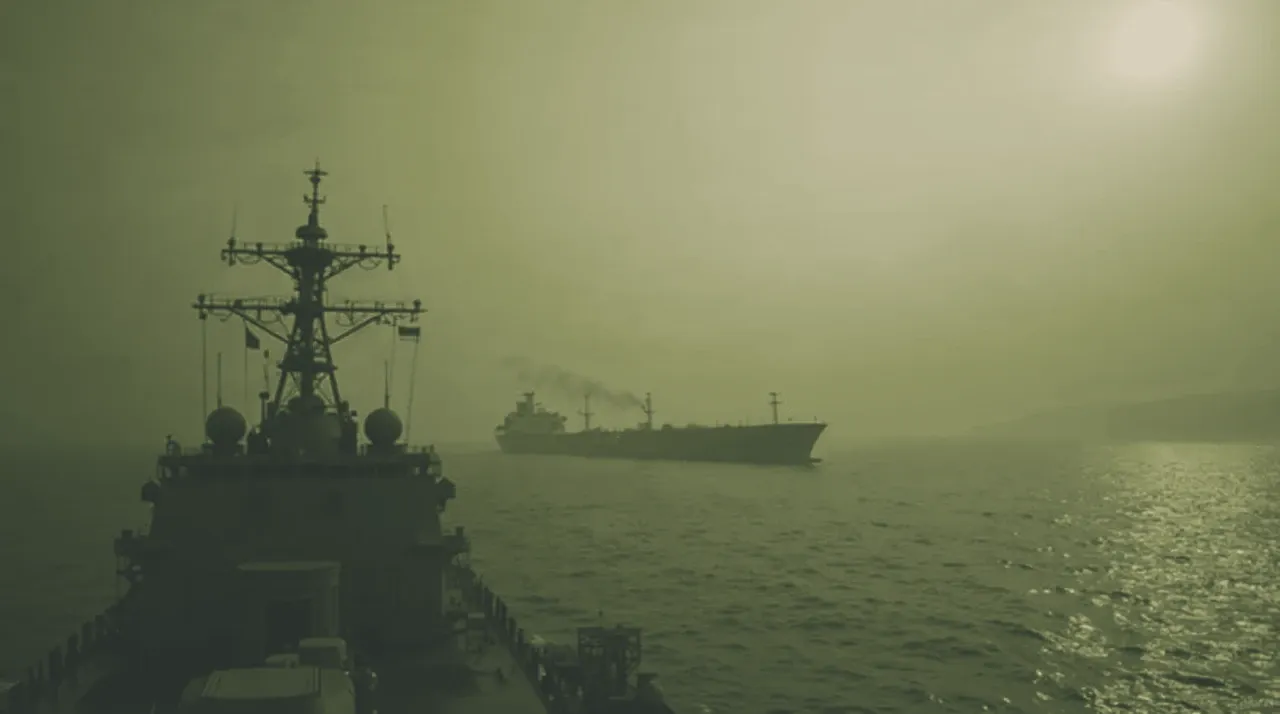
Forty-nine Tomahawks in one night, eight tankers disabled and oil above $93: the April ceasefire survives mostly as a phrase both sides keep citing.
The United States flew a second consecutive round of airstrikes across Iran into Thursday morning, and Iran's top military command answered by declaring the Strait of Hormuz closed to all shipping, AP reported.
U.S. Central Command said the strikes began at 5:15 pm Eastern on June 10 and ran roughly four hours, with Air Force, Navy and Marine Corps aircraft hitting Iranian surveillance, communications and air defense sites. President Donald Trump told Fox News the salvo included 49 Tomahawk cruise missiles, per Air & Space Forces Magazine. Defense Secretary Pete Hegseth, speaking at CENTCOM headquarters hours earlier: "If we need to negotiate with bombs, we'll negotiate with bombs."
Iran's Revolutionary Guard said it fired missiles and drones at U.S. air bases in Kuwait, Bahrain and Jordan, including 12 ballistic missiles aimed at Jordan's Muwaffaq Salti Air Base. Kuwait closed its airspace while its defenses worked.
The week's trigger was the June 8 loss of an Army AH-64 Apache near the strait. A U.S. official told AP the helicopter collided with an Iranian drone, and that investigators have not established intent. The June 9 response ran three waves against Iranian radars and ground control stations; June 10 made it two days running.
Tehran's counter is economic. Its joint military command ordered the strait closed to every vessel, oil tankers included, and threatened to target ships attempting the passage, the Kyiv Independent reported. CENTCOM disputed the claim, saying commercial traffic kept moving. Brent crude traded above $93 on Wednesday, up more than 25 percent since the war began February 28, per AP. Trump said CENTCOM has secretly guided some 200 ships carrying about 100 million barrels through the chokepoint, a figure nobody has independently confirmed.
The blockade arithmetic, by CENTCOM's count: eight vessels disabled by fire and 134 turned back since April 13. On Wednesday an American aircraft put precision munitions into the engine room of the tanker Settebello; India's foreign ministry said three of its sailors are missing.
The battlefield and the startup story — free in your inbox every week. No paywall.
Subscribe Free →Both capitals still talk about a deal. Washington wants Iran's enriched-uranium stockpile surrendered; Tehran wants frozen funds released first. A Qatari delegation landed in Tehran on Wednesday. The strait, not the table, is where Iran still holds a card, and every Tomahawk makes the table harder to reach.
Frequently Asked Questions
Why did the US strike Iran again?
CENTCOM called the June 10 attack a response to "Iran's unwarranted and continued aggression." The escalation traces to June 8, when an Army AH-64 Apache went down near the Strait of Hormuz after colliding with an Iranian drone, a US official told AP.
What did the strikes target?
Iranian military surveillance capabilities, communication systems and air defense sites, per CENTCOM. President Trump told Fox News the US also fired 49 Tomahawk cruise missiles, according to Air & Space Forces Magazine.
Is the Strait of Hormuz actually closed?
Iran's joint military command declared it closed to all vessels, oil tankers included, per the Kyiv Independent. CENTCOM disputed the claim, saying commercial ships continued transiting. AP reported the strait has been heavily disrupted for months under Iran's chokehold.
How did Iran retaliate?
The Revolutionary Guard said it fired missiles and drones at US air bases in Kuwait, Bahrain and Jordan, including 12 ballistic missiles at Jordan's Muwaffaq Salti Air Base, per Air & Space Forces Magazine. Kuwait closed its airspace during the attack.
What has the US naval blockade done so far?
CENTCOM says US forces have disabled eight vessels and turned back 134 since the blockade began April 13. On June 10 an American aircraft fired into the engine room of the tanker Settebello; India's foreign ministry said three Indian sailors are missing, per AP.
What is blocking a deal?
Washington wants Iran to give up its highly enriched uranium stockpile; Tehran demands sanctions relief and the release of frozen assets up front, which Trump has refused, per AP. A Qatari delegation arrived in Tehran on June 10 to mediate.
AI-generated summary, reviewed by an editor. More on our AI guidelines.

Marcus Schuler
Marcus Schuler edits BattlePolicy, a daily defense-technology brief connecting the companies and capabilities behind modern war to the contest among Europe, the US, Russia, and China.