Iran turns to 400 Chinese shoulder-fired missiles to replace the air defense it lost
Tehran's answer to losing its fixed SAM sites is a $60 million buy of man-portable launchers, routed through a Hong Kong intermediary and, reportedly, Pakistan.
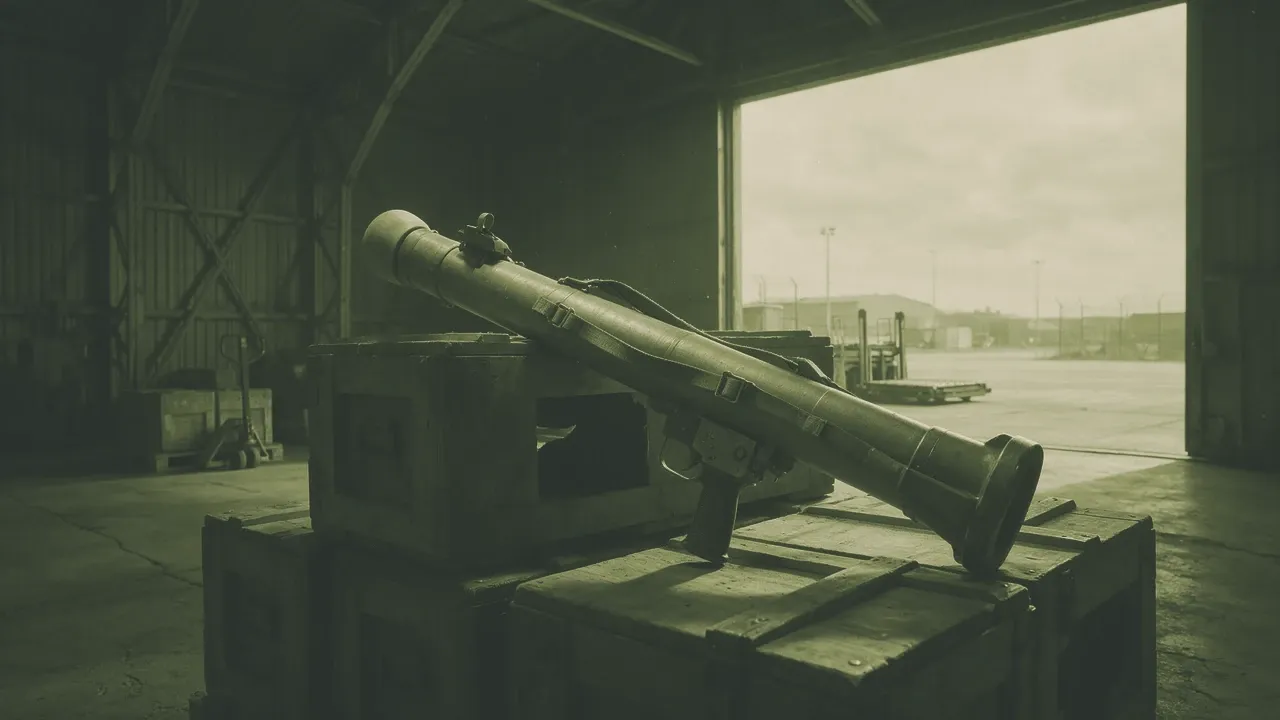
Tehran's answer to losing its fixed SAM sites is a $60 million buy of man-portable launchers, routed through a Hong Kong intermediary and, reportedly, Pakistan.
Iran has signed for 300 to 400 Chinese man-portable air-defense systems and expects a first shipment within weeks, three sources familiar with the deal told Reuters. The contract covers QW-12 and FN-16 missiles at a value of $60 million to $70 million.
Rather than running state to state, the contract was signed with Zhongqing Baoshang International Investment, a Hong Kong company acting as intermediary between the Iranian side and the Chinese supplier, per Reuters. Deliveries are planned to begin by air from Urumqi in western China and transit Pakistan, the same sources said.
China's Foreign Ministry called the reports "completely groundless" and said Beijing has worked to end the conflict. Pakistan's military press wing said speculation about its involvement is "absolutely concocted and false."
Trump wrote on Truth Social that Xi Jinping, at their recent Beijing meeting, told him China would not "under any circumstances, give or sell Weapons to the Islamic Republic of Iran," including through Chinese companies, Ynet noted.
The QW-12 and FN-16 are infrared-guided, shoulder-fired rounds built to engage low-flying aircraft, helicopters and drones, according to Reuters, which cited analysts rating the QW-12 below the newer QW-18 and QW-19. Military experts in the same account said portable systems can be dispersed quickly, run by small teams and moved often, leaving them less exposed than the fixed batteries US and Israeli strikes picked apart over Iranian bases and energy sites.
Satellite imagery showed re-excavated tunnel entrances at missile bases near Kangavar, Dezful and Kermanshah within weeks of being buried, the Wall Street Journal reported. "They refilled their stockpiles," former IDF air defense chief Brig. Gen. Ran Kochav told the paper. "They have very impressive industrialization and reconstruction capabilities."
Reuters cautioned that delivery schedules and quantities could still change. A European security source cited by the agency said several QW-series contracts remain under discussion, including QW-18 and QW-19, and a second source in the Middle East was unaware any deal had closed.
The battlefield and the startup story — free in your inbox every week. No paywall.
Subscribe Free →At $60 million to $70 million the purchase is small money against five months of losses, and it moves through a Hong Kong intermediary instead of a government channel. The first shipment is due within weeks.
Frequently Asked Questions
What exactly did Iran agree to buy?
A contract for 300 to 400 man-portable air-defense systems, including Chinese-made QW-12 and FN-16 missiles, valued at $60 million to $70 million, according to three sources who spoke to Reuters. The first shipment is expected within weeks.
What are QW-12 and FN-16 missiles?
Both are shoulder-fired, infrared-guided surface-to-air missiles designed to engage low-flying aircraft, helicopters and drones, per Reuters. Defense analysts quoted in the same report regard the QW-12 as less capable than newer QW-18 and QW-19 variants.
Why would Iran want man-portable launchers instead of larger batteries?
Military experts cited by Reuters said portable systems can be dispersed quickly, operated by small teams and relocated often, which makes them less vulnerable than fixed air-defense batteries. The war with the US and Israel exposed Iran's difficulty protecting fixed military sites and strategic infrastructure.
Have China and Pakistan responded?
Yes. China's Foreign Ministry told Reuters the reports are "completely groundless" and said China has played a role in promoting peace. Pakistan's military public relations wing said speculation about Pakistani involvement in supplying air-defense weapons from China to Iran is "absolutely concocted and false."
How does this square with what Trump said about Xi?
Trump wrote on Truth Social that Xi Jinping told him at their recent Beijing meeting that China would not under any circumstances give or sell weapons to Iran, including through Chinese companies, as reported by Ynet. The reported contract, if it proceeds, would sit awkwardly against that assurance.
How firm is this deal?
Not fully. Reuters' sources cautioned that although the agreement was signed, delivery schedules, quantities and other implementation details could still change. A European security source said several QW-series contracts remain under discussion, and a Middle East security source was unaware any deal had closed.
AI-generated summary, reviewed by an editor. More on our AI guidelines.

Marcus Schuler
Marcus Schuler edits BattlePolicy, a daily defense-technology brief connecting the companies and capabilities behind modern war to the contest among Europe, the US, Russia, and China.