Saudi Arabia Is Running Low on Patriot Interceptors as It Probes the Riyadh Airport Strikes
Riyadh is investigating why its air defenses failed after Houthi missiles killed at least 13 at King Khalid airport. Officials say the kingdom is short of interceptors, and the American stocks that would resupply it are depleted.
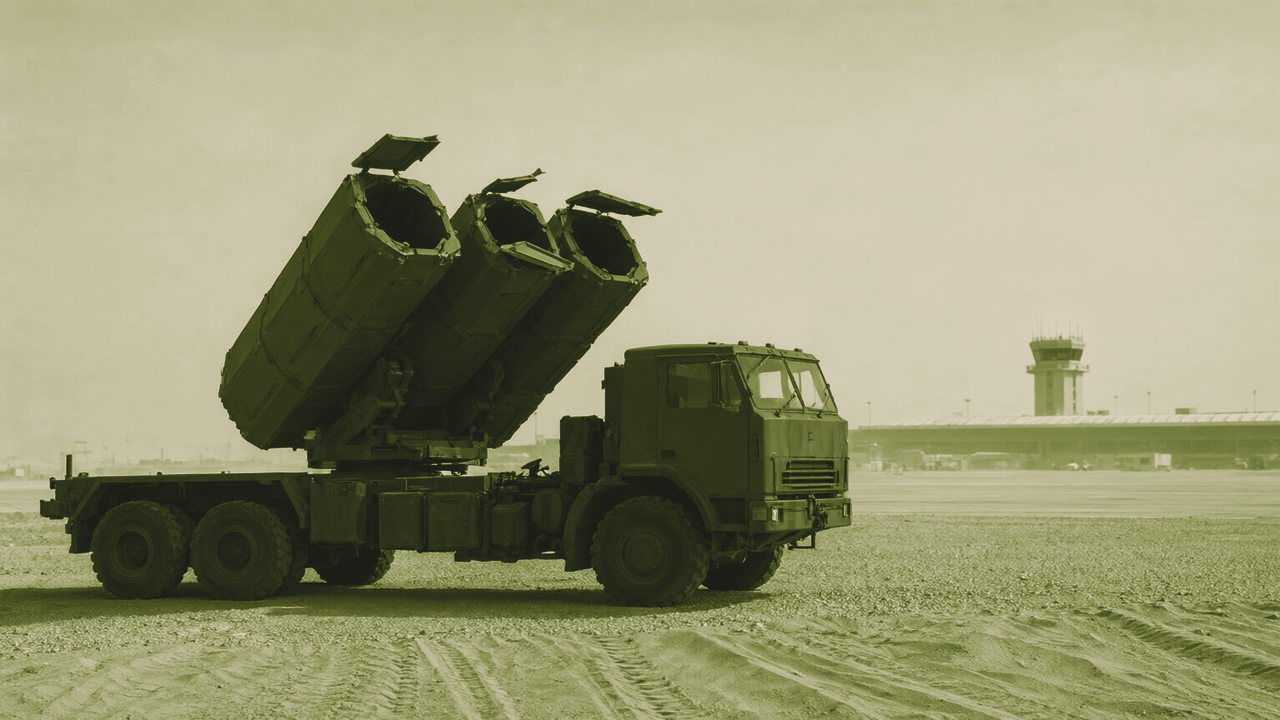
Riyadh is investigating why its air defenses failed after Houthi missiles killed at least 13 at King Khalid airport. Officials say the kingdom is short of interceptors, and the American stocks that would resupply it are depleted.
Saudi Arabia is defending its capital with a magazine that regional officials say is running low. On Saturday, Oct. 10, a Houthi strike on King Khalid International Airport in Riyadh killed at least 13 people and wounded more than 300, by the Associated Press's count. It was the deadliest attack in the kingdom in more than a decade. The country that absorbed it spent $83 billion on defense last year, according to the Stockholm International Peace Research Institute, and received 12% of all American arms exports between 2021 and 2025, more than any other buyer.
Drones first, then cruise and ballistic missiles
Riyadh has opened an investigation into how the barrage got through, two regional officials told the Associated Press on Monday. Its initial finding is that the Houthis fired multiple drones to pave the way for a mix of cruise and ballistic missiles. The weapons flew more than 1,000 kilometres, and one official said investigators also want to know why the air-defense network gave no earlier warning.
Saturday was one strike in a series. The Houthis claimed two earlier attacks on the airport that week, and another on Sunday killed one more person. Tallies differ: several outlets put Saturday's toll at 12, and Saudi Arabia's civil aviation authority counted 20 killed and 356 injured in attacks on the kingdom's airports between Oct. 6 and Oct. 11. The Riyadh airport stayed closed on Monday and workers in the capital's financial district were told to work from home. Saudi authorities said they intercepted three ballistic missiles that day. On Tuesday the Saudi-led coalition reported shooting down three drones north of Riyadh and two ballistic missiles fired toward Khamis Mushait, near the Yemeni border.
Public alerts lapsed as well. The civil defense authority stopped sending phone alerts for incoming missiles and drones the week before the airport strikes, CNN reported, and Riyadh residents told the network the alerts have since resumed.
The inquiry's stated questions are why the interceptions failed and why warning came late. A second constraint is already on the record. Regional officials say Saudi Arabia is running low on interceptors and has asked allies for help, the AP reported, and the Wall Street Journal reported, citing Saudi officials, that its Patriot stock is running short. Washington, which agreed this year to sell the kingdom 730 Patriot missiles, is short itself: the Pentagon's inspector general has reported "strategic inventory shortfalls" from the campaign against Iran.
Frequently Asked Questions
What happened at Riyadh's airport?
A Houthi strike on King Khalid International Airport on Saturday, Oct. 10 killed at least 13 people and wounded more than 300, according to the Associated Press. Saudi Arabia's civil aviation authority counted 20 killed and 356 injured in attacks on the kingdom's airports between Oct. 6 and Oct. 11.
Why did Saudi air defenses fail to stop it?
Saudi Arabia is investigating. Two regional officials told the Associated Press the initial probe found the Houthis fired drones first to pave the way for a mix of cruise and ballistic missiles, and investigators are asking why there was no earlier warning.
How many Patriot interceptors does Saudi Arabia have left?
Riyadh has published no figure. Unnamed reports cited by the Los Angeles Times say the kingdom expended some 86% of its 2,800 interceptors during the Iran war, leaving almost 400. The National says it had more than 1,800 Patriot interceptors and has used a large number. The estimates are hard to reconcile.
Has Saudi Arabia ordered more?
Yes. It struck a $9 billion deal with Washington earlier this year for as many as 730 Patriot missiles. No delivery schedule has been announced, according to House of Saud.
How does this connect to Ukraine?
Both are seeking Patriot interceptors while stocks are short. Lockheed Martin's Jason Reynolds told Defense News the company is weighing PAC-3 production in Europe, a route that could also help fill Ukraine's shortfalls.
AI-generated summary, reviewed by an editor. More on our AI guidelines.
Below this point
- The Palestine-2: solid fuel and a maneuvering warhead
- 86% of the stock, by unconfirmed estimates
- 730 missiles on order from a supplier that is short
- More than 200 targets, and a president who has not decided
- What to watch

Marcus Schuler
Marcus Schuler edits BattlePolicy, a daily defense-technology brief connecting the companies and capabilities behind modern war to the contest among Europe, the US, Russia, and China.