Ukraine's drone startups are becoming missile makers
The war is pushing Ukraine's battlefield-proven drone and electronic-warfare firms up the value chain into missiles and air defense, and they are already selling the idea to Europe.
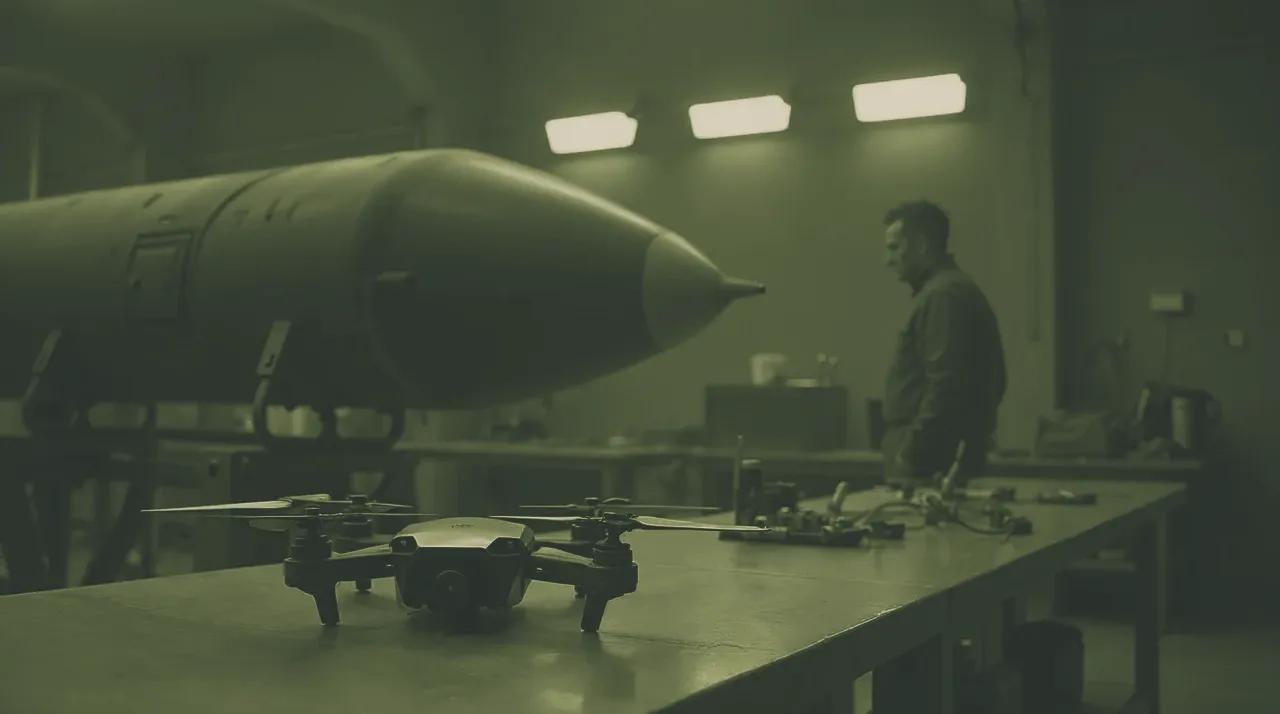
The war is pushing Ukraine's battlefield-proven drone and electronic-warfare firms up the value chain into missiles and air defense, and they are already selling the idea to Europe.
BlueBird Tech registered as a company in January 2024. Months earlier it had been a volunteer circle buying FPV drone parts online and working out how the things flew. Now it builds fiber-optic strike drones that a jammer cannot touch, electronic-warfare modules, and a pocket detector that reads an enemy drone's video feed out to four kilometers, all codified to NATO standards, Kyiv Post reported. In April it opened a missile division, chasing a home-built interceptor against drones, cruise missiles and ballistic threats that co-founder Valerii Zarubin calls Ukraine's answer to the Patriot. On June 1 it added a design bureau for guided bombs, the kind Russia drops by the hundred every day.
The bigger name doing the same thing is Fire Point, which three years ago was a film-casting agency. Its FP-1 drones and Flamingo cruise missiles now fly a majority of Ukraine's strikes inside Russia, and it is building a cut-price ballistic interceptor, Freyja, with Germany's Hensoldt on the radar, according to Defense News. Fire Point says it can knock down a ballistic missile for under $1 million a shot. A Patriot PAC-3 runs about $3.8 million. The first intercept is promised for late 2027.
Zarubin told dev.ua the war strips out whatever does not work, and that rockets are the next stage after drones. FPV swarms and jamming are solved problems in Ukraine now; air defense and precision strike are not, and that is the gap these firms are moving to fill. The bottleneck sits upstream. Chinese components are his worst headache, Zarubin said, with Beijing steering drone optics to Russian buyers first and real independence three to five years off. To reach engineers it cannot hire at home, BlueBird is opening research centers in the EU, starting in Poland.
The battlefield and the startup story — free in your inbox every week. No paywall.
Subscribe Free →The buyers are lining up abroad. The Pentagon is weighing orders for Ukrainian drones and electronic-warfare kit, and Fire Point talks about interceptors over the whole of Europe. Ukraine is turning from arms buyer into arms seller, and the firms that learned this war intend to sell what comes after it.
Frequently Asked Questions
What is BlueBird Tech?
A Ukrainian defense-tech firm that began in mid-2023 as a volunteer FPV-drone circle and now runs serial production of fiber-optic strike drones, electronic-warfare modules and drone detectors codified to NATO standards, per Kyiv Post.
What missiles is BlueBird Tech building?
In April it opened a missile division aimed at a domestic air-defense interceptor against drones, cruise missiles and ballistic threats, which co-founder Valerii Zarubin frames as Ukraine's answer to the Patriot. On June 1 it added a design bureau for guided aerial bombs, per Kyiv Post and Ukrainska Pravda.
How is this different from Fire Point?
Fire Point is a separate company. It makes the FP-1 deep-strike drone and the Flamingo cruise missile that fly most of Ukraine's strikes inside Russia, and is now building a low-cost ballistic interceptor called Freyja with Germany's Hensoldt, aiming to down a missile for under $1 million a shot, per Defense News.
Why does this matter beyond Ukraine?
Ukraine is shifting from arms recipient to arms supplier. The Pentagon is weighing purchases of Ukrainian drones and electronic-warfare systems, and Fire Point pitches interceptors for all of Europe, per The Independent and Defense News.
What is holding the sector back?
Dependence on Chinese components, which Zarubin calls his biggest constraint, with Beijing now favoring Russian buyers on drone optics and real independence three to five years out. BlueBird is opening EU research centers, starting in Poland, to find engineers it cannot hire at home, per dev.ua.
AI-generated summary, reviewed by an editor. More on our AI guidelines.

Marcus Schuler
Marcus Schuler edits BattlePolicy, a daily defense-technology brief connecting the companies and capabilities behind modern war to the contest among Europe, the US, Russia, and China.