Ukraine's drones hit Moscow's biggest oil refinery as fuel rationing reaches the capital
A strike on the Kapotnya plant 15 kilometers from the Kremlin pushes Ukraine's deep-strike drone campaign into Moscow itself, as sales caps spread to Russian pumps.
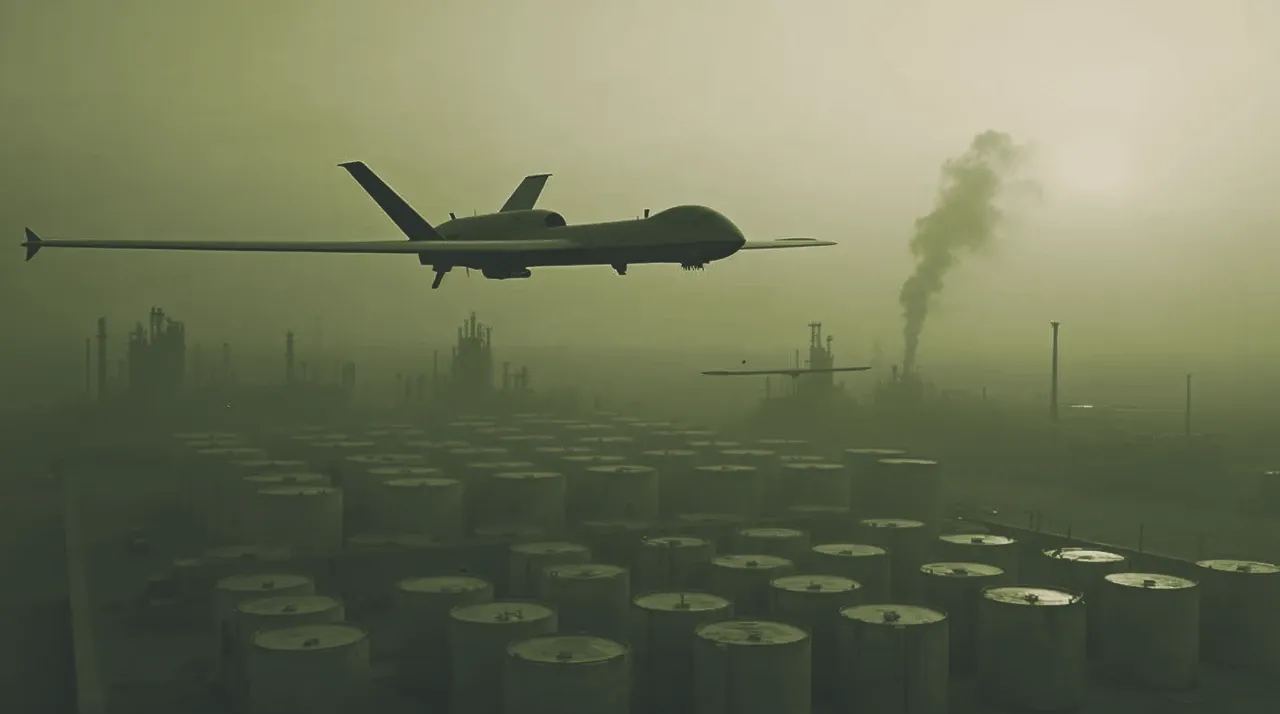
A strike on the Kapotnya plant 15 kilometers from the Kremlin pushes Ukraine's deep-strike drone campaign into Moscow itself, as sales caps spread to Russian pumps.
Ukrainian drones struck the Moscow Oil Refinery in the city's Kapotnya district on the morning of June 16, setting a fire at the capital's largest fuel plant about 15 kilometers from the Kremlin and 500 kilometers from Ukrainian-held territory, the Kyiv Post reported. Mayor Sergei Sobyanin first claimed air defenses had downed dozens of drones, then conceded that one had damaged a refinery facility, with no casualties.
The plant belongs to Gazprom Neft and supplies roughly 40% of Moscow's gasoline plus aviation kerosene for the capital's airports, according to the Kyiv Post and Ukrainska Pravda. Russia's Federal Air Transport Agency restricted flights at Domodedovo, Sheremetyevo, Vnukovo and Zhukovsky during the raid. The Moscow hit came the same night drones started a fire at an oil depot in Poltavskaya, a Lukoil distribution link in Krasnodar Krai.
The Ukrainian monitoring channel Exilenova+ said Lyutyi strike drones flew the raid. Ukroboronprom has described the Lyutyi as a 200-kilogram aircraft carrying a 75-kilogram warhead with a range past 1,000 kilometers. The open-source claim that the refinery's primary distillation unit caught fire rests on footage and is not independently confirmed.
The consequence is landing at the pump. Sales caps reached Moscow and St. Petersburg, with Tatneft stations limiting drivers to 20 liters of gasoline, and shortages now span more than 25 regions, the Kyiv Post reported. Russian refining ran below 4 million barrels a day in early June, the lowest in 21 years, with close to a third of capacity offline, the Moscow Times said, citing Energy Intelligence.
The targeting has also sharpened. Kyiv has moved from storage tanks to hydrocrackers and other secondary units, RFE/RL reported, which make diesel and take weeks to replace because sanctions choke the spare parts. Kpler put Russia's offline hydrocracker capacity at 250,000 barrels a day, against 50,000 to 60,000 a year earlier.
The battlefield and the startup story — free in your inbox every week. No paywall.
Subscribe Free →Zelenskyy tied the strike to forcing an end to the war. What to watch is whether cheap, long-range drones can keep a third of Russian refining dark through the summer driving season.
Frequently Asked Questions
What did Ukraine hit in Moscow on June 16?
Ukrainian drones struck the Moscow Oil Refinery in the Kapotnya district, the capital's largest fuel plant, about 15 kilometers from the Kremlin, according to the Kyiv Post and Ukrainska Pravda. Mayor Sergei Sobyanin conceded that a drone had damaged a facility there.
Why does the Kapotnya refinery matter?
The plant belongs to Gazprom Neft and supplies roughly 40% of Moscow's gasoline along with aviation kerosene for the capital's airports, the Kyiv Post and Ukrainska Pravda reported, so knocking it offline reaches ordinary pumps quickly.
Is Russia running short of fuel?
Sales caps have reached Moscow and St. Petersburg, with Tatneft stations limiting drivers to 20 liters of gasoline, and shortages span more than 25 regions, the Kyiv Post reported. The Moscow Times, citing Energy Intelligence, said refining fell below 4 million barrels a day in early June, the lowest in 21 years.
What drones did Ukraine reportedly use?
The Ukrainian monitoring channel Exilenova+ said Lyutyi strike drones flew the raid. Ukroboronprom has described the Lyutyi as a 200-kilogram aircraft with a 75-kilogram warhead and a range past 1,000 kilometers.
Why are the strikes harder for Russia to repair?
RFE/RL reported that Kyiv has shifted from hitting storage tanks to striking hydrocrackers and other secondary units, which produce diesel and take weeks or months to replace because Western sanctions restrict the specialized spare parts.
AI-generated summary, reviewed by an editor. More on our AI guidelines.

Marcus Schuler
Marcus Schuler edits BattlePolicy, a daily defense-technology brief connecting the companies and capabilities behind modern war to the contest among Europe, the US, Russia, and China.