WZ-8
China's WZ-8 is a rocket-powered, air-launched reconnaissance UAV built for short, high-speed, high-altitude sensor runs from an H-6 bomber mothership rather than persistent loiter.
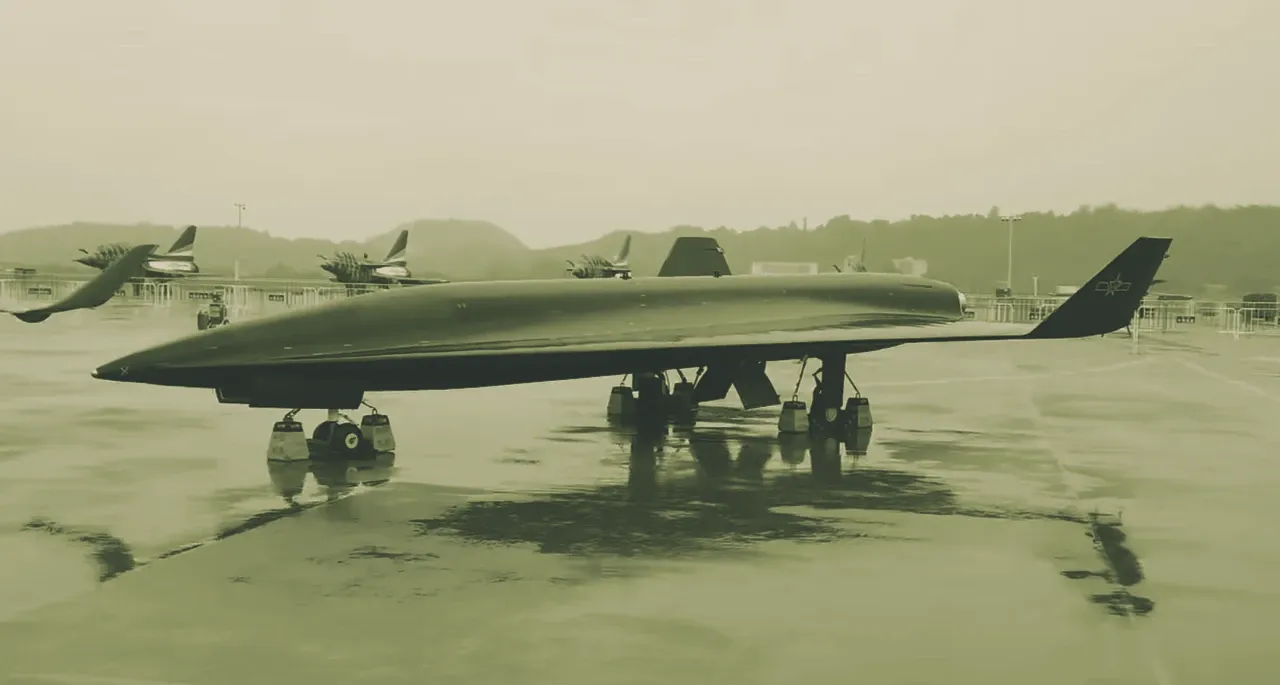
China's rocket-powered, air-launched reconnaissance UAV for short high-speed, high-altitude intelligence runs, reportedly intended to feed targeting data into long-range strike networks.
Overview
The WZ-8, also rendered Wuzhen-8 or Wu Zhen-8, is a Chinese unmanned reconnaissance aircraft attributed in open sources to the Aviation Industry Corporation of China. It is unusual among modern military UAVs because it is not a turbofan- or propeller-driven loitering aircraft: it is carried aloft by a modified H-6 bomber, released at altitude and speed, then uses rocket propulsion for a fast reconnaissance dash before returning to land on a runway. Open reporting describes it as reusable, unarmed and optimized for time-sensitive ISR rather than weapons delivery.
The aircraft was publicly unveiled during China's 1 October 2019 National Day parade, and later appeared at Airshow China in Zhuhai. Its operational status remains less certain than its public image: Naval News and Defense News reported that leaked U.S. intelligence assessed China had "almost certainly" established a first supersonic-UAV unit at Liu'an Airbase, but no official PLA declaration of initial operational capability or operational sorties is public.
🔒 The full WZ-8 file is for BattlePolicy Pro members. Below the line: development history, design and capabilities, variants, the combat record, advantages and limitations, comparable systems, outlook, the full specifications table, our sourcing, and the analyst assessment — procurement, suppliers and the BattlePolicy verdict. Unlock the full file with BattlePolicy Pro →
Below this point
- Development
- Design & capabilities
- Combat record / operational use
- Advantages
- Drawbacks / limitations
- Counterparts
- Outlook
- Key specifications
- Sources
- Analyst Section
- Procurement & contracts
- Suppliers & related companies
- Comparable systems — analyst view
- Analyst note