Army picks five firms to build robot resupply haulers under Project Sustainment
Five prototype teams will compete to pull US soldiers off high-risk resupply routes, with field testing alongside operational units set for early 2027.
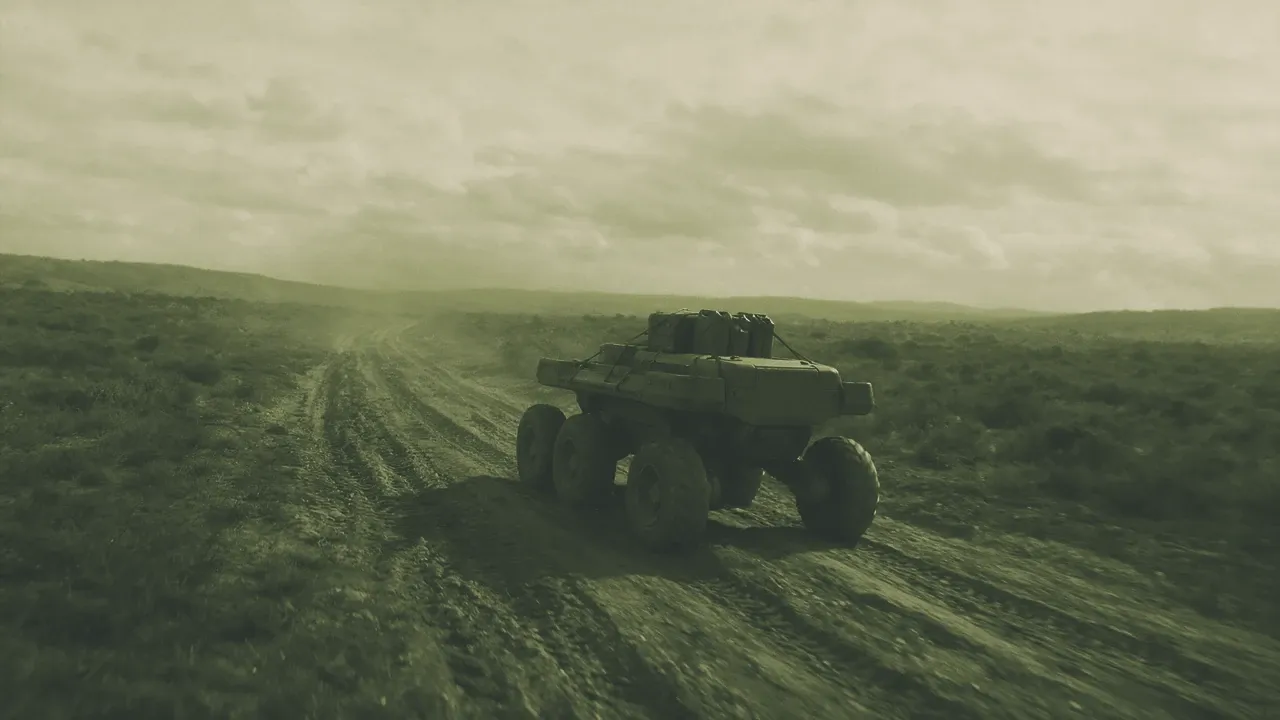
Five prototype teams will compete to pull US soldiers off high-risk resupply routes, with field testing alongside operational units set for early 2027.
The US Army has selected AM General, American Rheinmetall, Carnegie Robotics, HDT Robotics, and Stratom to prototype medium autonomous ground vehicles for tactical logistics under Project Sustainment, The Defense Post reported Monday.
The Army's Capability Program Executive Office Mission Autonomy wants the robots to keep soldiers off high-risk resupply routes while sustaining round-the-clock logistics in contested environments, per the outlet, with field testing alongside operational units planned for early 2027. Inside Defense had the five names on July 6, noting awards were still being finalized, and wrote that the service plans a "transforming in contact" rotation built around the mission in the second quarter of fiscal 2027.
The competition runs through the National Advanced Mobility Consortium and folds in earlier ground-robot work. It mirrors the Medium Multipurpose Equipment Transport, itself an outgrowth of the S-MET robotic mule, and M-MET "really just got absorbed" into the new requirement, AM General future-programs vice president Shatiel Edwards told Inside Defense. Brig. Gen. Anthony Gibbs, who leads the autonomy office, ruled out a bespoke in-house design in March: the Army would "leverage what's available in the commercial marketplace."
HDT Robotics, now trading as BLADE, is entering the Dire WOLF, a six-wheeled diesel-electric hybrid derived from its WOLF-X robotic combat vehicle, the company said in a July 23 release. The machine carries thousands of pounds of cargo, pivot-steers in place, climbs two-foot vertical steps on airless Michelin Tweels, and exports battery power at the tactical edge. "The Dire WOLF joins the Hunter WOLF and WOLF-X pack to directly reduce risk to the warfighter," said Tom Van Doren, BLADE's president of robotics, naming the Army, NAMC, Michelin, and Carnegie Robotics as partners. Carnegie appears twice in this field, as a selected prime and as BLADE's autonomy supplier.
The battlefield and the startup story — free in your inbox every week. No paywall.
Subscribe Free →The lineup mixes Humvee-maker AM General, a European prime's US arm, and robotics specialists, and the logistics-autonomy push now runs on both sides of the Atlantic: Rheinmetall MAN took over Germany's InterRoC autonomous convoy research program days earlier, The Defense Post noted separately. The demand signal comes from the front. BLADE's smaller Hunter WOLF already serves with Ukraine's military, per Defence Blog, where crewed resupply runs draw artillery, drones, and mines. The Army intends to have prototypes working alongside operational units in early 2027.
Frequently Asked Questions
Which companies did the Army select for Project Sustainment?
The five firms are AM General, American Rheinmetall, Carnegie Robotics, HDT Robotics (now branded BLADE), and Stratom, according to The Defense Post and Inside Defense.
What is Project Sustainment?
It is a US Army effort, run by Capability Program Executive Office Mission Autonomy through the National Advanced Mobility Consortium, to prototype medium autonomous ground vehicles that resupply troops in contested environments, The Defense Post reported.
How does it relate to the S-MET and M-MET programs?
The effort builds on the Medium Multipurpose Equipment Transport, which grew out of the squad-level S-MET robotic mule. AM General vice president Shatiel Edwards told Inside Defense that M-MET was absorbed into the Project Sustainment requirement.
What is BLADE's Dire WOLF?
A six-wheeled diesel-electric hybrid unmanned ground vehicle based on BLADE's WOLF-X robotic combat vehicle. The company says it hauls thousands of pounds, uses pivot steering and airless Michelin Tweels, climbs two-foot vertical steps, and provides exportable battery power.
When will the prototypes reach soldiers?
Field testing with operational units is planned for early 2027, per The Defense Post. Inside Defense wrote that the Army plans a "transforming in contact" rotation focused on the mission in the second quarter of fiscal year 2027.
AI-generated summary, reviewed by an editor. More on our AI guidelines.

Marcus Schuler
Marcus Schuler edits BattlePolicy, a daily defense-technology brief connecting the companies and capabilities behind modern war to the contest among Europe, the US, Russia, and China.