GRID-REF 37°47′N 122°25′W
DISPATCH 02/26 · 26 Jun 2026
BATTLEPOLICY
Startup to front line. Strategy to consequence.
Lexicon · Russia

Buyan-M

Russia's small, shallow-draft Kalibr-armed missile corvette — a ~950-tonne hull that can transit inland rivers between fleets and lob land-attack cruise missiles 1,500 km. It fired the first combat Kalibr at Syria in 2015 and has been a principal platform for strikes on Ukraine.
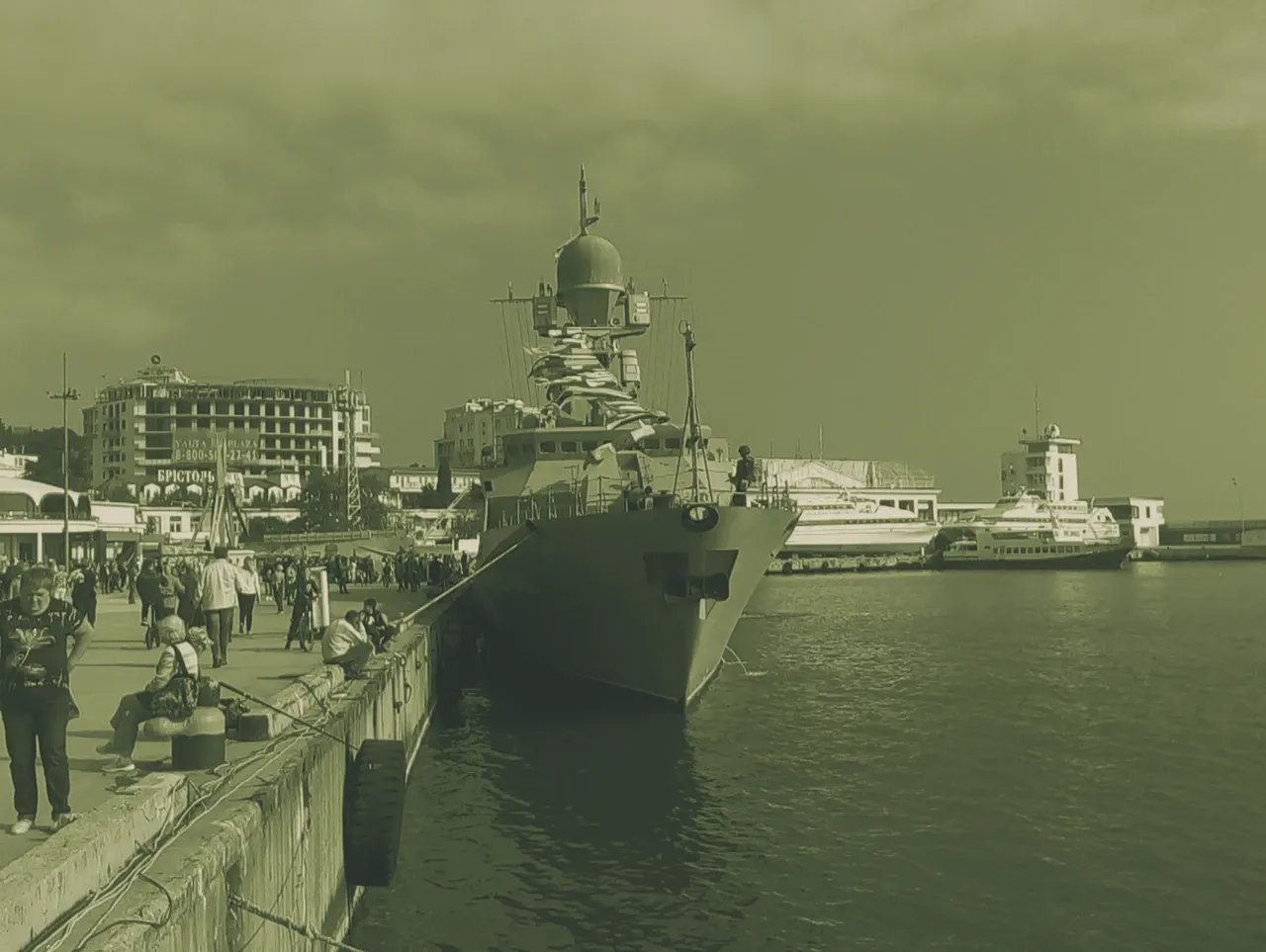
Buyan-M
FIG.01 · Russia Image - The Buyan-M-class corvette Orekhovo-Zuyevo (Project 21631). Photo by Rumlin, CC BY 3.0, via Wikimedia Commons.
Russia's small, shallow-draft cruise-missile corvette — a roughly 950-tonne hull that can slip through inland rivers to redeploy between fleets and fire Kalibr land-attack missiles a thousand kilometres or more. It conducted the first combat use of the Kalibr against Syria in 2015 and has been one of the principal platforms for Russia's missile strikes on Ukraine.

Overview

The Buyan-M (Project 21631) is a class of twelve small missile ships — in NATO terms, guided-missile corvettes — built for the Russian Navy. Designed by the Zelenodolsk Design Bureau and constructed at the Zelenodolsk Shipyard in Tatarstan, they are the missile-armed evolution of the gun-armed Project 21630 Buyan. Their defining feature is an eight-cell vertical launcher firing the Kalibr family of cruise missiles, which gives a hull displacing under 1,000 tonnes a strategic land-attack reach normally reserved for far larger warships. Because they are small and shallow-draft, they can transit Russia's interconnected rivers and canals to move between the Caspian, Black Sea, Baltic and Northern fleets — a mobility that, combined with the Kalibr's range, has made them a persistent strike threat well beyond the coastlines they were nominally built to defend.

Development

Plans for a missile-armed derivative of the Buyan gunboat surfaced in August 2010, adding the UKSK vertical-launch system for the nuclear-capable Kalibr and extra electronic-warfare gear, according to Wikipedia. The lead ship, Grad Sviyazhsk, was laid down on 27 August 2010 and commissioned on 27 July 2014. A particular attraction of a small, river-mobile cruise-missile ship was the Cold War–era Intermediate-Range Nuclear Forces Treaty: the INF banned land-based medium-range missiles but not sea-based ones, so a corvette able to redeploy through inland waterways could carry such weapons without falling under the treaty's restrictions. Production ran for fifteen years and was repeatedly delayed by sanctions: the class was originally specified with German MTU diesels, and after the 2014 sanctions cut that supply Russia switched first to Chinese engines and ultimately to domestic Kolomna diesels, as documented by Overt Defense. The twelfth and final hull, Stavropol, was commissioned into the Baltic Fleet on 28 August 2025, completing the program; later production shifted to the newer Karakurt class (Project 22800).

🔒 The rest of the Buyan-M file is for BattlePolicy Pro members. Stop here and you miss the part that actually matters: how it performs and where it falls short, its combat record, how it stacks up head-to-head against its real counterparts, the complete specifications table, and our analysts’ procurement, supplier and assessment notes. Unlock the full file with BattlePolicy Pro →
FIELD DISPATCH · WEEKLY

BattlePolicy Weekly — free.

Defense tech, startups, and security — weekly.

Related
Russia · drones · UGV · unmanned-ground-vehicle · combat-robot · robot-tank · kalashnikovPro

Uran-9

Russia's much-hyped "robot tank" — a tracked combat UGV bristling with a 30mm cannon, machine gun and anti-tank missiles that flopped on its 2018 Syria debut: it lost control links, couldn't shoot on the move, and its sensors were blinded by buildings. The cautionary tale of the UGV age.

Russia · drones · UGV · unmanned-ground-vehicle · combat-robot · robot-tank · kalashnikov
Russia · missiles · cruise-missile · ground-launched · inf-treaty · Iskander · nuclear-capable · ukraine-warPro

9M729

The cruise missile that killed the INF Treaty — a ground-launched, nuclear-capable weapon the US says flies far past the 500 km the treaty banned, and Russia insists stays just under it. The arms-control dispute became its legacy; its reported 2025 combat use in Ukraine is its grim sequel.

Russia · missiles · cruise-missile · ground-launched · inf-treaty · Iskander · nuclear-capable · ukraine-war
Russia · Ukraine · Land · artillery · self-propelled-gun · 203mm · heavy-artillery · counter-battery · ukraine-warPro

2S7 Pion

The biggest self-propelled gun in the world — a Soviet 203mm monster firing a 110 kg shell up to 47 km, nuclear-capable, and dragged out of Cold War storage by both Russia and Ukraine for long-range counter-battery duels. Slow and exposed, but it hits like nothing else on the front.

Russia · Ukraine · Land · artillery · self-propelled-gun · 203mm · heavy-artillery · counter-battery · ukraine-war