NATO Builds an AI-and-Drone Network for Its Eastern Flank, but Keeps Humans on the Trigger
The alliance wants machines to compress the sensor-to-shooter timeline while humans retain control over lethal engagements.
The alliance wants machines to compress the sensor-to-shooter timeline while humans retain control over lethal engagements.
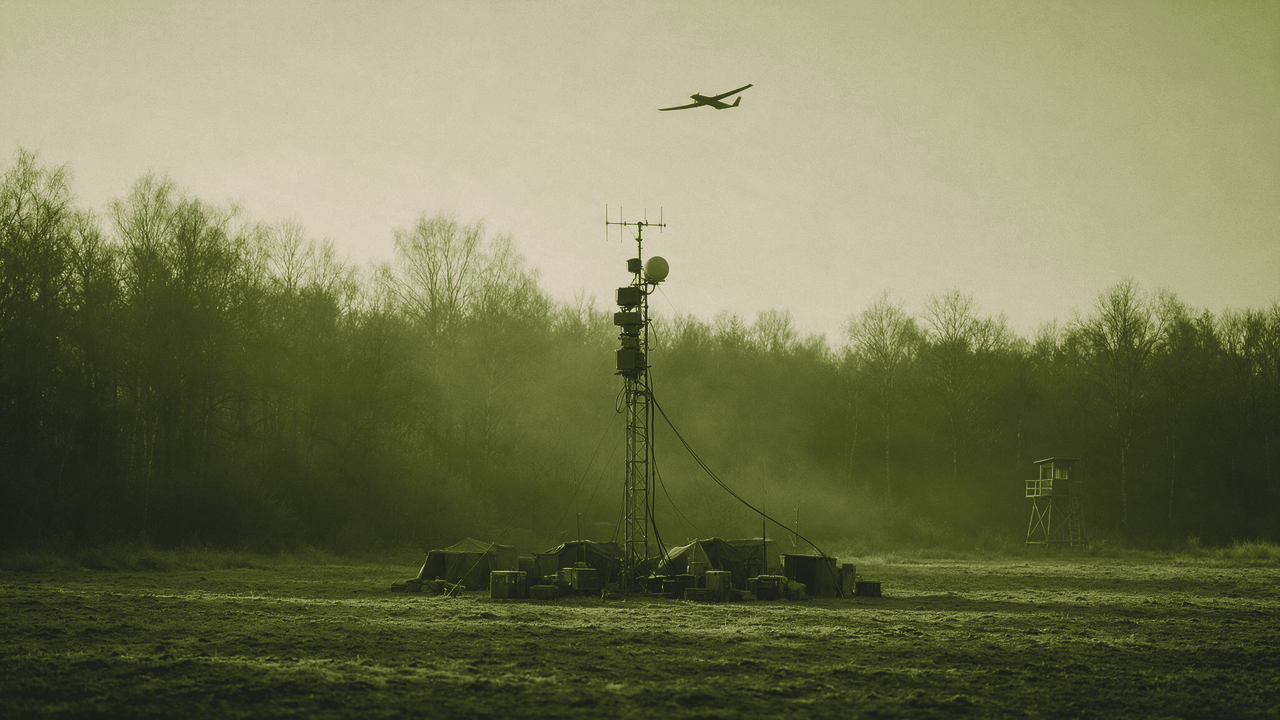
NATO is building a network of drones, sensors, satellites and artificial intelligence along its borders with Russia and Belarus, Business Insider reported Aug. 12. The Eastern Flank Deterrence Initiative is designed to detect breaches and help repel attacks. Some systems may operate with greater autonomy, but human operators will decide which targets are engaged.
EFDI connects national sensors, drones and weapons through a shared data backbone. Reconnaissance drones identify targets, while ground sensors and radars complete the operating picture, Capt. Ronan Sefton explained. The network then routes that information to operators and weapons without relying on a long, linear command chain.
The hub sits at U.S. Army Europe and Africa headquarters in Wiesbaden, Germany. Maj. Brian Hobeck estimated that alarms from a hypothetical Russian invasion could trigger a coordinated response in about five minutes. AI would process data, recognize patterns and direct information, but humans would verify it before authorizing an engagement.

Marcus Schuler
Marcus Schuler edits BattlePolicy, a daily defense-technology brief connecting the companies and capabilities behind modern war to the contest among Europe, the US, Russia, and China.