Court Gives Navy 60 Days to Reevaluate Saildrone, Holding Back $600 Million in Drone-Ship Funds
A court order holds back about $600 million of the Navy's medium drone-ship program until Saildrone gets a new evaluation, though the 30 vessels already on order fit under the cap.
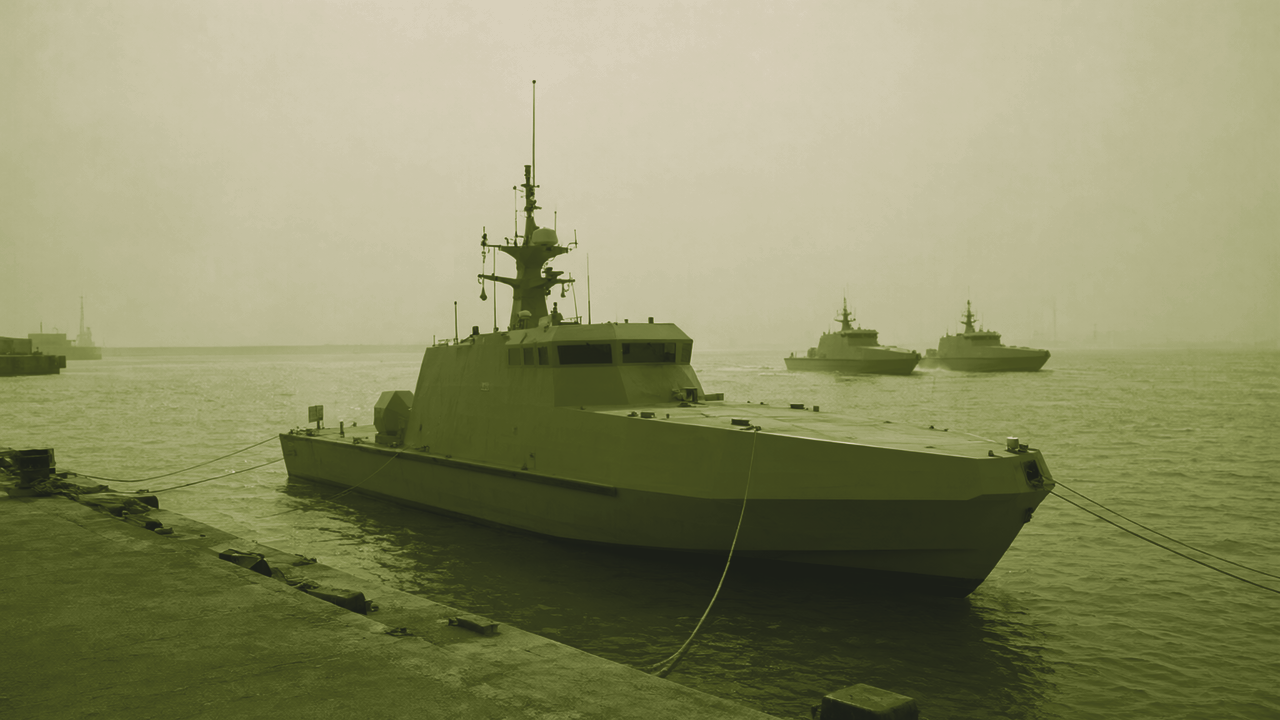
A court order holds back about $600 million of the Navy's medium drone-ship program until Saildrone gets a new evaluation, though the 30 vessels already on order fit under the cap.
The Navy must reevaluate Saildrone's bid for its Medium Unmanned Surface Vessel (MUSV) program within 60 days, the US Court of Federal Claims ruled in an opinion made public this week. The service "engaged in disparate treatment, and thus, acted in an arbitrary and capricious manner in its review of Saildrone's proposal," Judge Philip S. Hadji wrote.
Frequently Asked Questions
What did the court decide?
The US Court of Federal Claims found the Navy engaged in disparate treatment when it reviewed Saildrone's proposal for the Medium Unmanned Surface Vessel program, and ordered the service to reevaluate the bid within 60 days using the approach it applied to competitors that advanced, Judge Philip S. Hadji wrote.
Does Saildrone now have a Navy contract?
No. The ruling awards no contract. It requires a new evaluation, and the Navy must reinstate Saildrone in the competition if it finds the proposal acceptable, per Bloomberg Law's account of the opinion.
How much money is held back?
Until the reevaluation is complete the Navy may not commit more than $1.5 billion of the program's $2.1 billion to production, which holds back about $600 million.
Are the 30 vessels the Navy already ordered affected?
The Navy ordered 30 vessels on Sept. 29, 10 each from Saronic Technologies, HII and Galliano Marine Services, at an average of $40 million apiece, the service said. That is about $1.2 billion, under the court's $1.5 billion cap.
Why was Saildrone eliminated in the first place?
The Navy cut Saildrone's 170-foot Spectre before on-water testing because loaded displacements on a summary sheet exceeded the design's stated maximum. The court found the Navy advanced Sea Machines despite a similar displacement problem.
What happened to Blue Water Autonomy's protest?
The court denied it, finding the Navy reasonably rated the company's proposal unacceptable.
AI-generated summary, reviewed by an editor. More on our AI guidelines.
Read next — from the Lexicon
Below this point
7 more sections.
Until that review ends, the order bars the Navy from committing more than $1.5 billion of the program's $2.1 billion to production, holding back about $600 million. The Navy must apply the evaluation approach it used for the competitors that advanced and cannot fall back on two findings it had withdrawn. The ruling awards no contract.
Saildrone, of Alameda, California, offered its 170-foot Spectre, which comes in Silent Endurance and Stealth Strike variants. The Navy cut it before on-water testing because the loaded displacements on a summary sheet known as the J-8 Placemat exceeded the design's stated maximum, the opinion records. Sea Machines advanced despite a similar displacement problem, and Hadji found that the Navy "arbitrarily held Saildrone to a higher standard." The Navy had first rejected the bid on all three evaluation criteria, then dropped two findings once challenged, Saildrone said.
Hadji denied a parallel protest from Blue Water Autonomy, finding that the Navy "reasonably rated Blue Water unacceptable." The service had judged the company's catamaran test vessel unrepresentative of its monohull production design.
A Navy spokesperson told Breaking Defense the service will comply and determine whether Saildrone qualifies for on-water testing.
The Navy ordered 30 vessels on Sept. 29, 10 each from Saronic Technologies, HII and Galliano Marine Services, at an average of $40 million apiece, the service said. That comes to about $1.2 billion, under the court's cap.
In a separate decision on Oct. 29, Hadji rejected the government's argument that the court cannot hear protests of "other transaction" competitions, the contracting route outside the Federal Acquisition Regulation that the Pentagon uses to buy prototypes quickly. He held that the Navy ran this one in connection with a procurement.
A second MUSV phase, unveiled in September, drops the high-speed requirement and asks for a payload of at least two 20-foot containers. Phase I demanded two 40-foot containers carried 2,500 nautical miles at 25 knots. If the Navy finds Spectre acceptable within the 60 days, it must reinstate Saildrone in a competition whose first 30 hulls are already under contract.

Marcus Schuler
Marcus Schuler edits BattlePolicy, a daily defense-technology brief connecting the companies and capabilities behind modern war to the contest among Europe, the US, Russia, and China.