Dolphin class
Israel's Dolphin-class submarines — German-built diesel-electric attack boats with air-independent propulsion, a reported nuclear second-strike role, and a history wrapped in operational secrecy that only occasionally lifts.
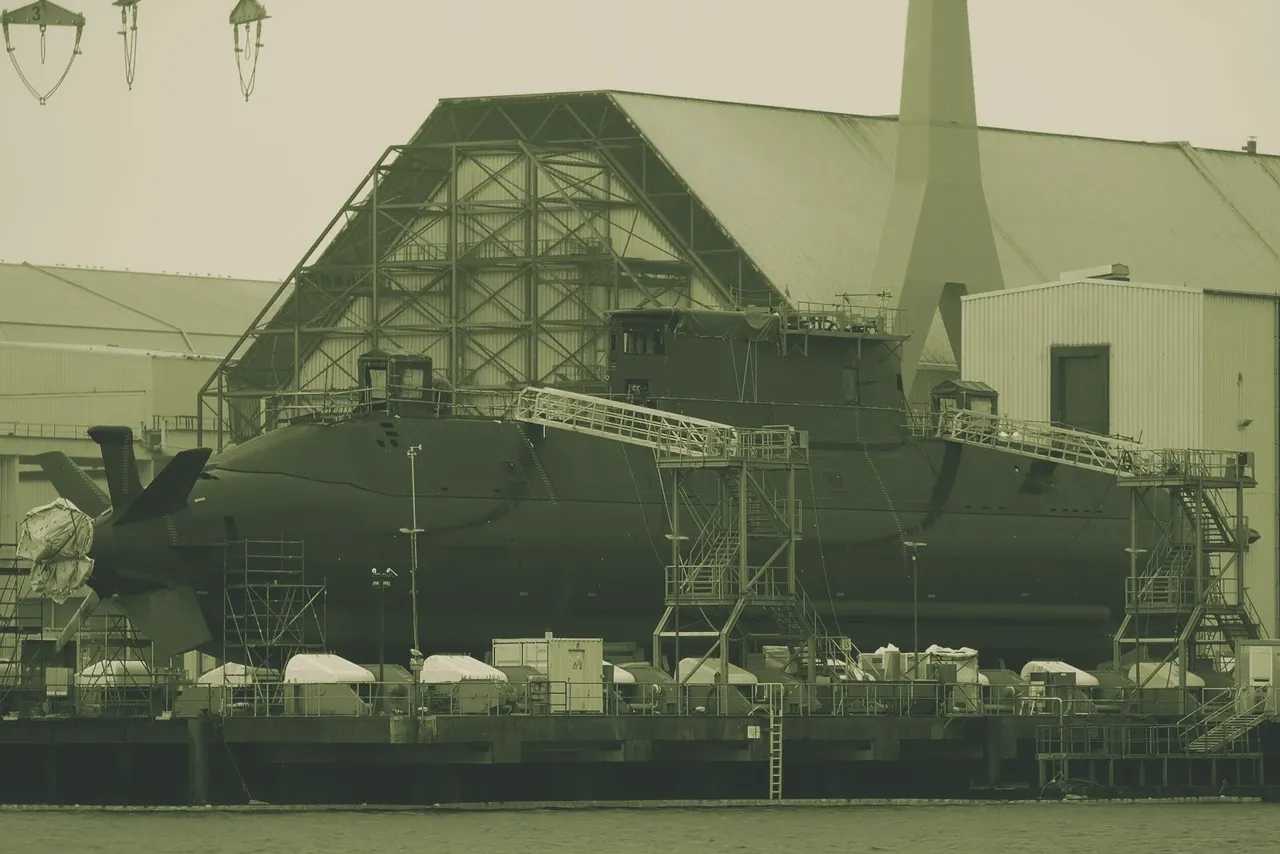
German-built diesel-electric attack submarines of the Israeli Navy, combining fuel-cell air-independent propulsion, special-forces accommodations, and a widely reported — but officially unconfirmed — sea-based nuclear second-strike role.
Overview
The Dolphin class is the backbone of Israel’s submarine flotilla, comprising three conventionally powered Dolphin I boats (commissioned 1999–2000) and three longer, air-independent propulsion (AIP)-equipped Dolphin II boats (2014–2026). Built by Howaldtswerke-Deutsche Werft (HDW, now part of ThyssenKrupp Marine Systems) in Kiel, the six-boat force is unique among Western operators for its oversized 650 mm torpedo tubes and the analytical near-consensus that it carries nuclear-capable Popeye Turbo submarine-launched cruise missiles, giving Israel a survivable second-strike capability. Israel neither confirms nor denies that assessment, and virtually all operational activity is classified. What is publicly known — a 2000 cruise-missile test off Sri Lanka observed by the U.S. Navy, and a 2026 IDF disclosure that a Dolphin operated at its farthest range ever while submarines were simultaneously in three arenas — is detailed below.
🔒 The full Dolphin class file is for BattlePolicy Pro members. Below the line: development history, design and capabilities, variants, the combat record, advantages and limitations, comparable systems, outlook, the full specifications table, our sourcing, and the analyst assessment — procurement, suppliers and the BattlePolicy verdict. Unlock the full file with BattlePolicy Pro →
Below this point
- Development
- Design & capabilities
- Variants
- Combat record / operational use
- Advantages
- Drawbacks / limitations
- Counterparts
- Outlook
- Key specifications
- Sources
- Analyst Section
- Procurement & contracts
- Suppliers & related companies
- Comparable systems — analyst view
- Analyst note