Fire Point tests FP-7.X, Ukraine's bid for a sub-$1M Patriot alternative
Ukraine's largest missile maker flew a prototype interceptor it says could stop ballistic missiles for under $1 million each, against a PAC-3 that runs $5.3 million, if it works by 2027.
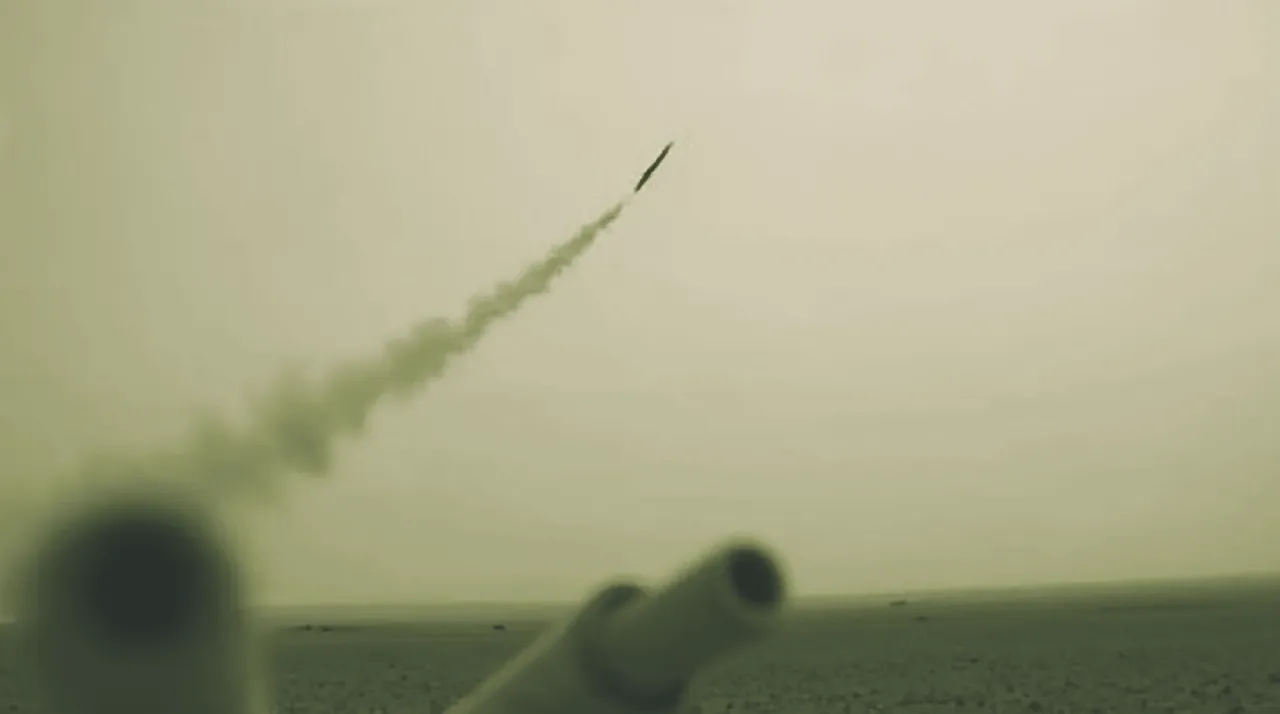
Ukraine's largest missile maker flew a prototype interceptor it says could stop ballistic missiles for under $1 million each, against a PAC-3 that runs $5.3 million, if it works by 2027.
Fire Point, Ukraine's largest missile and drone maker, published video of a test launch of its FP-7.X interceptor, The War Zone reported. Chief technology officer Iryna Terekh called it a "fully controlled maneuvering flight."
The FP-7.X is the prototype for Freyja, a system Fire Point wants to field as Ukraine's first homegrown anti-ballistic missile defense. The company built it from its FP-7 surface-to-surface ballistic missile, a weapon with a range near 200 kilometers, an unusual path from strike weapon to interceptor.
Co-founder Denys Shtilierman told Reuters in April that Fire Point is aiming for a unit cost under $1 million and a first ballistic intercept by the end of 2027. A PAC-3 MSE interceptor runs about $5.3 million, per the US Army's 2027 budget, and takes years to build, Aerospace Global News noted. Patriot often needs two or three missiles to down one ballistic warhead, Shtilierman said.
The battlefield and the startup story — free in your inbox every week. No paywall.
Subscribe Free →Ukraine's anti-ballistic options are thin. It leans on a handful of Patriot batteries and Franco-Italian SAMP/T, the Guardian and The War Zone reported, while Russia fields maneuvering Iskander-class missiles that have cut into Patriot's hit rate. The US has reportedly suspended further Patriot deliveries over its own stockpile, and Zelensky is pressing Washington for more.
Fire Point, the maker of the Flamingo cruise missile, is courting European and Gulf investors for Freyja and named Hensoldt, Saab and Thales as possible radar partners, an area where it lacks expertise. The US Army is chasing its own sub-$1 million Patriot interceptor, and one of its acquisition generals used an FP-7.X rendering to illustrate the concept. Fire Point plans its first intercept at the end of 2027. Until then, the FP-7.X is a tested airframe, not a shield.
Frequently Asked Questions
What did Fire Point test?
Fire Point published video of a test launch of its FP-7.X interceptor, which CTO Iryna Terekh described as a "fully controlled maneuvering flight," according to The War Zone.
What is Freyja?
The Freyja is the system Fire Point wants to build around the FP-7.X as Ukraine's first homegrown anti-ballistic missile defense, The War Zone reported. The interceptor is derived from the company's FP-7 surface-to-surface ballistic missile.
How would it compare on cost to the Patriot?
Co-founder Denys Shtilierman told Reuters the company is targeting a unit cost under $1 million. A PAC-3 MSE interceptor costs about $5.3 million, per the US Army's 2027 budget cited by Aerospace Global News and The War Zone.
Why does Ukraine need a homegrown interceptor?
Ukraine's anti-ballistic defenses rely on limited Patriot and SAMP/T batteries. The US has reportedly suspended further Patriot deliveries over stockpile concerns, The War Zone noted, while Russia's maneuvering Iskander-class missiles have reduced Patriot's effectiveness.
When could Freyja work?
Shtilierman said Fire Point aims to intercept its first ballistic missile by the end of 2027. The FP-7.X tested now is a prototype, not a fielded system.
AI-generated summary, reviewed by an editor. More on our AI guidelines.

Marcus Schuler
Marcus Schuler edits BattlePolicy, a daily defense-technology brief connecting the companies and capabilities behind modern war to the contest among Europe, the US, Russia, and China.