Ukraine puts AI turret batteries over its energy grid
Several experimental batteries of AI robotic gun turrets are already guarding Ukrainian energy sites, the deputy commander-in-chief says, at $35,000 to $160,000 a turret against interceptors that cost far more.
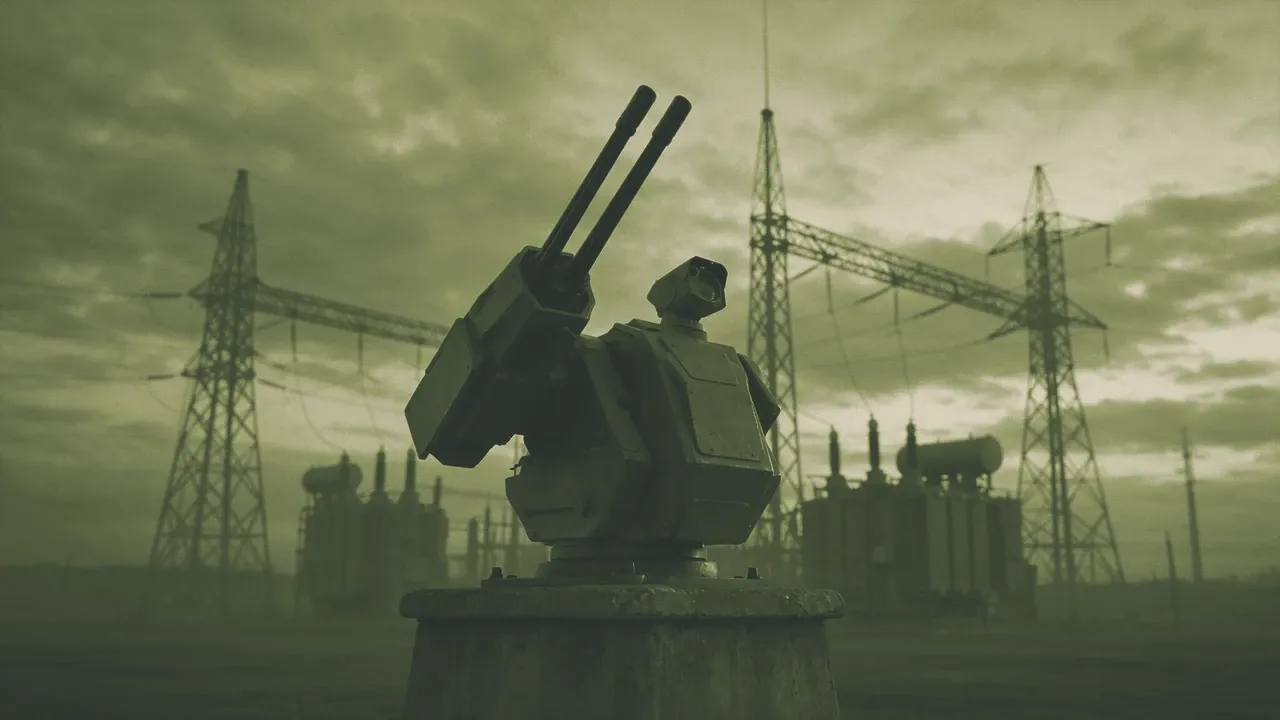
Several experimental batteries of AI robotic gun turrets are already guarding Ukrainian energy sites, the deputy commander-in-chief says, at $35,000 to $160,000 a turret against interceptors that cost far more.
Several experimental batteries of AI-controlled robotic gun turrets are already covering Ukrainian energy infrastructure, Brigadier General Andrii Lebedenko, Deputy Commander-in-Chief of Ukraine's Armed Forces, said at a Wednesday briefing, Ukrainska Pravda reported.
"We have set up several experimental batteries which are already protecting energy infrastructure facilities and have proved effective," Lebedenko said. The goal was a new quality of old weaponry hybridised with AI-powered robotic turrets, he said, because drones now fly higher and have become difficult targets for the mobile fire groups that hunt them with machine guns. The turrets raise strike effectiveness, cut the personnel needed to work a gun, and reduce ammunition consumption severalfold.
New Ukrainian turrets run roughly $35,000 to $160,000 each, Arsenal.eu wrote, and engage radio-controlled and fiber-optic FPV drones alike. Fiber-optic drones fly on a spooled control wire that carries no radio link for electronic warfare to break. The military is still testing the systems but has already logged successful hits, per Arsenal, which put autonomous turrets of up to 60 percent effectiveness within reach of Ukrainian manufacturers by 2027.
The batteries land inside a wider private air-defence program. Sixty-three companies applied within six months, five are running operational tasks, with 272 recorded deployments and 38 targets shot down, according to LB.ua. The program started at Ukrzaliznytsya rail facilities and is being extended to energy companies, partly on their own investment. Military personnel no longer fit for active service on health grounds are being taken on as interceptor operators.
The battlefield and the startup story — free in your inbox every week. No paywall.
Subscribe Free →The General Staff logged 433 tests of new weapons and equipment in the first half of the year, more than 20 percent above the previous year, and 1,000 new systems have entered service, Mezha noted, citing Ukrinform. Lebedenko placed laser air defence two to three months out, saying Ukrainian lasers already down FPVs and are being worked against Shaheds. Until those arrive, the bottom layer over a substation costs $35,000 to $160,000 and is partly bought by the utility it protects.
Frequently Asked Questions
What did Ukraine announce about AI turrets?
Brigadier General Andrii Lebedenko, Deputy Commander-in-Chief of Ukraine's Armed Forces, said several experimental batteries of AI-controlled robotic gun turrets are already protecting energy infrastructure and have proved effective, according to Ukrainska Pravda and Oboronka.
What do the turrets cost?
New Ukrainian turrets run roughly $35,000 to $160,000 each, Arsenal.eu wrote. That sits far below the guided interceptors Ukraine otherwise spends on cheap attack drones.
Why do the turrets matter against fiber-optic drones?
Fiber-optic FPV drones fly on a spooled control wire and carry no radio link for electronic warfare to break. Arsenal.eu wrote that the AI-assisted turrets shoot down both radio-controlled and fiber-optic FPV drones.
How does the private air-defence program work?
LB.ua reported from the same briefing that 63 companies applied within six months, five are carrying out operational tasks with 272 recorded deployments and 38 targets shot down. It began at Ukrzaliznytsya facilities and is extending to energy companies, including through their own investment.
Are the turrets fully autonomous?
Not yet. Arsenal.eu wrote that the military is still testing the systems and that Ukrainian manufacturers may reach autonomous turrets of up to 60 percent effectiveness by 2027.
What comes after the turrets?
Lebedenko said laser air-defence systems are two to three months away and that Ukrainian lasers can already shoot down FPV drones, with work under way against Shaheds, per Interfax-Ukraine and Euromaidan Press.
AI-generated summary, reviewed by an editor. More on our AI guidelines.

Marcus Schuler
Marcus Schuler edits BattlePolicy, a daily defense-technology brief connecting the companies and capabilities behind modern war to the contest among Europe, the US, Russia, and China.