Forterra says 105 of its robot ATVs have run 1,100 combat missions in Ukraine
The first American autonomous ground vehicles in the war have driven 2,500 miles, hauled 777,440 pounds of cargo and evacuated 52 casualties since October, and the Ukrainian units running them want more, cheaper.
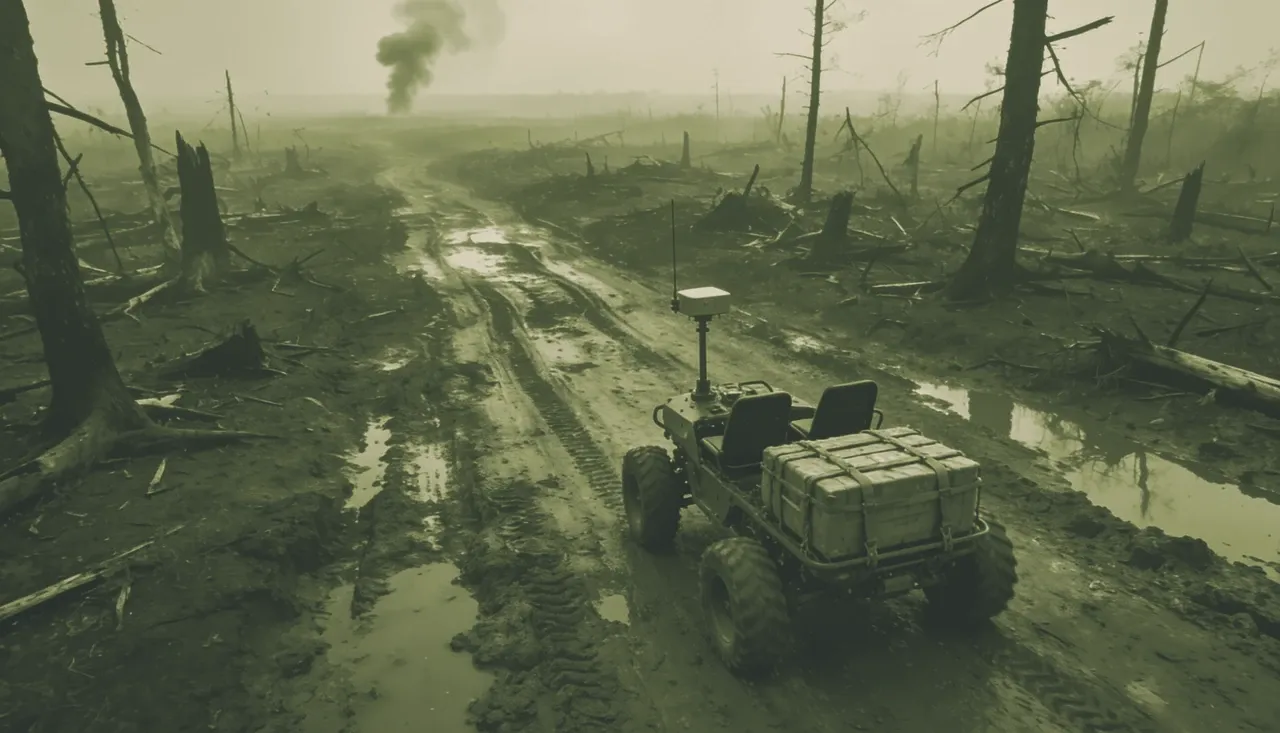
The first American autonomous ground vehicles in the war have driven 2,500 miles, hauled 777,440 pounds of cargo and evacuated 52 casualties since October, and the Ukrainian units running them want more, cheaper.
More than 100 of Forterra's self-driving Lancer vehicles have operated in Ukraine's combat zones for the past nine months, TechCrunch reported Monday, the first American autonomous ground vehicles in the war and what the company calls the largest AGV combat deployment by any US defense firm.
The Clarksburg, Maryland company put numbers on the fleet in a statement: 105 Lancers delivered in under six months, more than 2,500 miles driven across 1,100-plus missions, 777,440 pounds of cargo moved and 52 casualty evacuations since the vehicles arrived last October. The effort began as a US government program in 2024 and was on contract by March 2025, the release states.
Each Lancer pairs a gas-powered Polaris Ranger 1500 with Forterra's AutoDrive autonomy stack and Vektor communications and carries 750 kilograms, roughly three times the load of Ukraine's typical battery-powered domestic ground robots, a Ukrainian soldier told TechCrunch. The demand signal comes from the air. Drone surveillance has turned resupply routes into kill zones where crewed trucks draw FPV strikes, dropped munitions, artillery and mortars. "There's nowhere to hide," Sergeant Major Corey Wilkens, who leads a US Army ground-autonomy program, told the outlet.
The record carries caveats. Every operational figure comes from Forterra itself. Ukrainian crews mostly teleoperate the Lancers in combat because the autonomy cannot yet identify and react to enemy contact on its own, and some vehicles were lost after bogging down in mud where Russian forces could target them, according to TechCrunch. The soldiers' standing request is a cheaper vehicle they can risk the way they expend disposable FPV drones.
The battlefield and the startup story — free in your inbox every week. No paywall.
Subscribe Free →Forterra and prime contractor Oshkosh Defense secured the Marine Corps' $92 million ROGUE-Fires Block 2 production award in June, per Seeking Alpha. Overland AI followed weeks later with a nearly $20 million Marine production deal it calls the first primed by a ground-autonomy company, GeekWire reported. Forterra has raised more than $500 million, TechCrunch wrote, and Scout AI and Field AI are trialing UGVs with the US military as well. "Ground autonomy is achievable now and we've seen it," Wilkens said.
Frequently Asked Questions
What did Forterra reveal about Ukraine?
That 105 of its Lancer autonomous ground vehicles have operated in Ukraine's combat zones since October 2025 under a US government program, per the company's July 7 statement and TechCrunch, which called them the first American autonomous ground vehicles in the war.
What is the Lancer?
A gas-powered autonomous vehicle built on the Polaris Ranger 1500 platform and fitted with Forterra's AutoDrive autonomy stack and Vektor communications system, able to carry 750 kilograms of cargo, according to the company and TechCrunch.
What have the vehicles done so far?
Company figures relayed by TechCrunch put the fleet at more than 2,500 miles driven, 1,100-plus missions, 777,440 pounds of cargo carried and 52 casualty evacuations. All operational numbers come from Forterra itself.
Are the Lancers really driving themselves in combat?
Mostly not. A Ukrainian soldier told TechCrunch that crews teleoperate the vehicles in combat zones because the autonomy can navigate terrain but cannot yet react to enemy threats on its own, and the vehicles are too valuable to lose.
Why does Ukraine want uncrewed ground vehicles?
Drone surveillance makes crewed resupply and casualty evacuation runs lethal. "There's nowhere to hide," Sergeant Major Corey Wilkens, who leads a US Army ground-autonomy program, told TechCrunch.
Where does Forterra sit in the US market?
The company has raised more than $500 million, per TechCrunch, and with prime Oshkosh Defense took the Marine Corps' $92 million ROGUE-Fires Block 2 production award in June, per Seeking Alpha. Competitors trialing ground autonomy with the US military include Overland AI, Scout AI and Field AI, TechCrunch noted.
AI-generated summary, reviewed by an editor. More on our AI guidelines.

Marcus Schuler
Marcus Schuler edits BattlePolicy, a daily defense-technology brief connecting the companies and capabilities behind modern war to the contest among Europe, the US, Russia, and China.