GSSAP
GSSAP is the U.S. Space Force's near-geosynchronous space-domain-awareness constellation, using maneuverable "Hornet" satellites to inspect and characterize objects in the GEO belt.
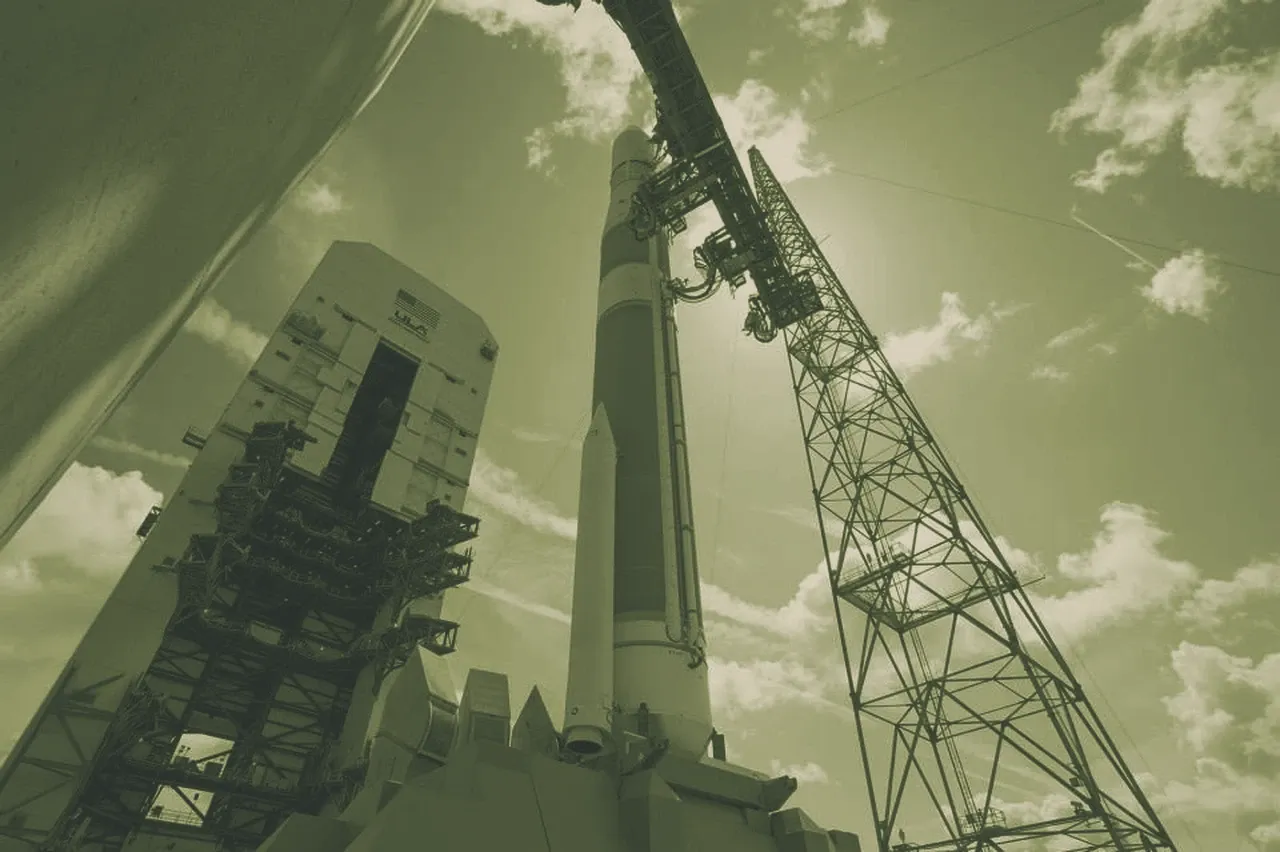
The Geosynchronous Space Situational Awareness Program is a U.S. Space Force constellation of maneuverable near-GEO inspector satellites used to observe, characterize and track resident space objects.
Overview
GSSAP is a U.S. Space Force space-domain-awareness constellation operating in the near-geosynchronous orbit regime. Its satellites, commonly nicknamed "Hornet" spacecraft, maneuver near resident space objects to collect close-range characterization data that complements ground-based radars and optical sensors. The Space Force describes the mission as improving orbital prediction, anomaly resolution, collision avoidance and attribution of activity in the GEO belt, where military communications, missile-warning and intelligence satellites are concentrated U.S. Space Force.
Unlike a conventional strike system, GSSAP is not publicly described as carrying weapons. Its military value lies in surveillance, proximity inspection and strategic signaling: it gives U.S. operators a persistent, maneuverable observer inside the same orbital neighborhood as high-value foreign satellites. Air & Space Forces Magazine identifies the program as one of the Space Force's "neighborhood watch" capabilities for geosynchronous orbit, with eight satellites launched by 2026 and one retired to a graveyard orbit Air & Space Forces Magazine.
🔒 The full GSSAP file is for BattlePolicy Pro members. Below the line: development history, design and capabilities, variants, the combat record, advantages and limitations, comparable systems, outlook, the full specifications table, our sourcing, and the analyst assessment — procurement, suppliers and the BattlePolicy verdict. Unlock the full file with BattlePolicy Pro →
Below this point
- Development
- Design & capabilities
- Combat record / operational use
- Advantages
- Drawbacks / limitations
- Counterparts
- Outlook
- Key specifications
- Sources
- Analyst Section
- Procurement & contracts
- Suppliers & related companies
- Comparable systems — analyst view
- Analyst note