SEWIP (AN/SLQ-32)
The U.S. Navy's shipboard electronic-warfare backbone — a long-running AN/SLQ-32 modernization program that detects, classifies and, in newer blocks, jams radar-guided anti-ship threats.
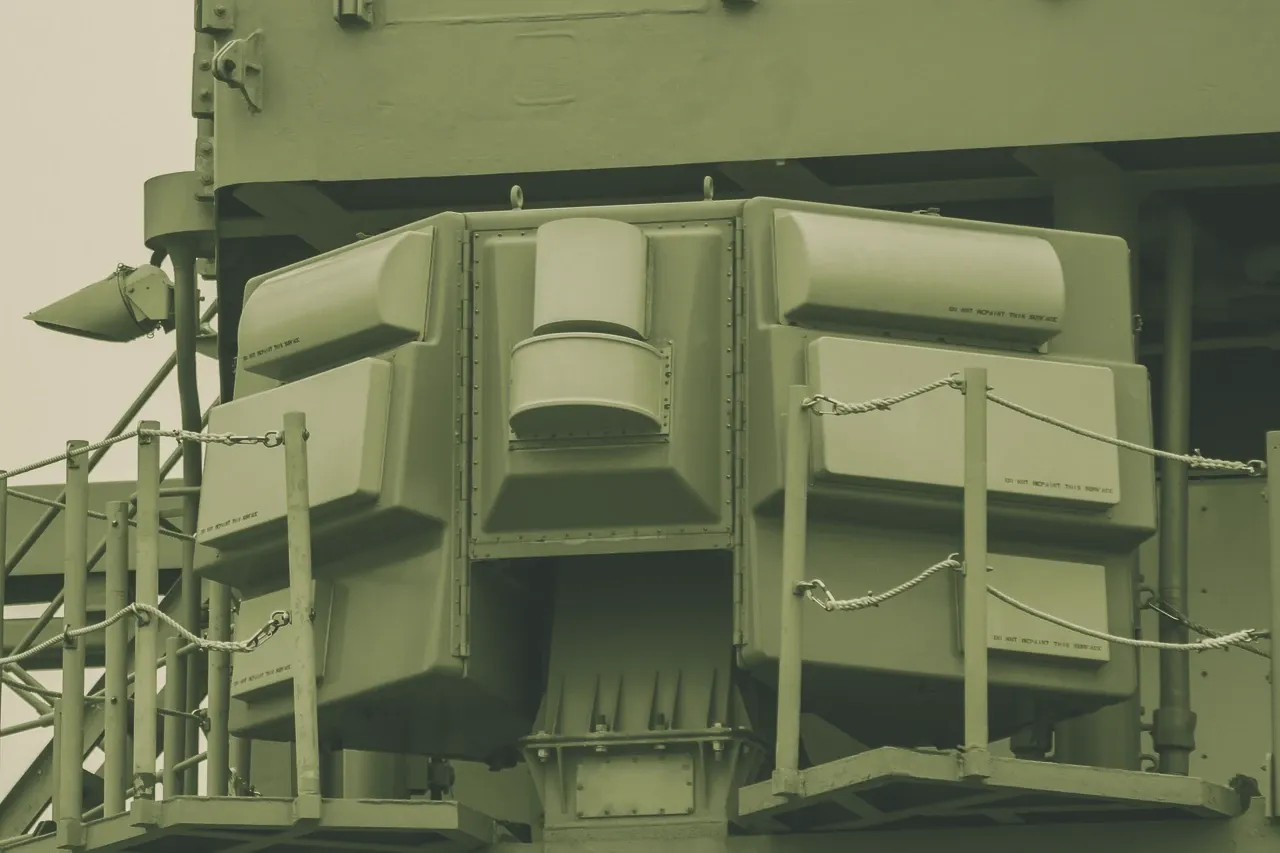
The U.S. Navy's shipboard electronic-warfare backbone — a long-running AN/SLQ-32 modernization program that detects, classifies and, in newer blocks, jams radar-guided anti-ship threats.
Overview
SEWIP, the Surface Electronic Warfare Improvement Program, is the U.S. Navy's incremental modernization path for the AN/SLQ-32 shipboard electronic-warfare suite. The original AN/SLQ-32, nicknamed "Slick 32," was fielded as a surface-ship threat-warning and jamming family; SEWIP keeps that architecture relevant through block upgrades rather than replacing it outright. The Navy describes SEWIP as a program for early detection, signal analysis, threat warning, counter-targeting and counter-surveillance against anti-ship missile threats and their supporting radars, with the program managed through PEO Integrated Warfare Systems and NAVSEA Navy Fact File.
The system is not a single frozen configuration. Legacy AN/SLQ-32 variants span passive warning receivers and active-jamming suites; SEWIP Block 2, formally AN/SLQ-32(V)6 and AN/SLQ-32C(V)6 for the scaled "SEWIP Lite" configuration, upgrades electronic support and combat-system integration; SEWIP Block 3, AN/SLQ-32(V)7, adds modern electronic attack for non-kinetic "soft-kill" defense. As of 2026, Block 2 and Block 3 are both in production or fielding, with Lockheed Martin leading Block 2 and Northrop Grumman leading Block 3 Lockheed Martin, Northrop Grumman.
🔒 The full SEWIP (AN/SLQ-32) file is for BattlePolicy Pro members. Below the line: development history, design and capabilities, variants, the combat record, advantages and limitations, comparable systems, outlook, the full specifications table, our sourcing, and the analyst assessment — procurement, suppliers and the BattlePolicy verdict. Unlock the full file with BattlePolicy Pro →
Below this point
- Development
- Design & capabilities
- Variants
- Combat record / operational use
- Advantages
- Drawbacks / limitations
- Counterparts
- Outlook
- Key specifications
- Sources
- Analyst Section
- Procurement & contracts
- Suppliers & related companies
- Comparable systems — analyst view
- Analyst note