Hegseth puts nearly every Pentagon drone program under one new office
A June 29 memo hands a single "drone czar" directive and contracting authority over most US unmanned programs, from small quadcopters to sea robots, as Washington races to close a production gap it is losing on volume.
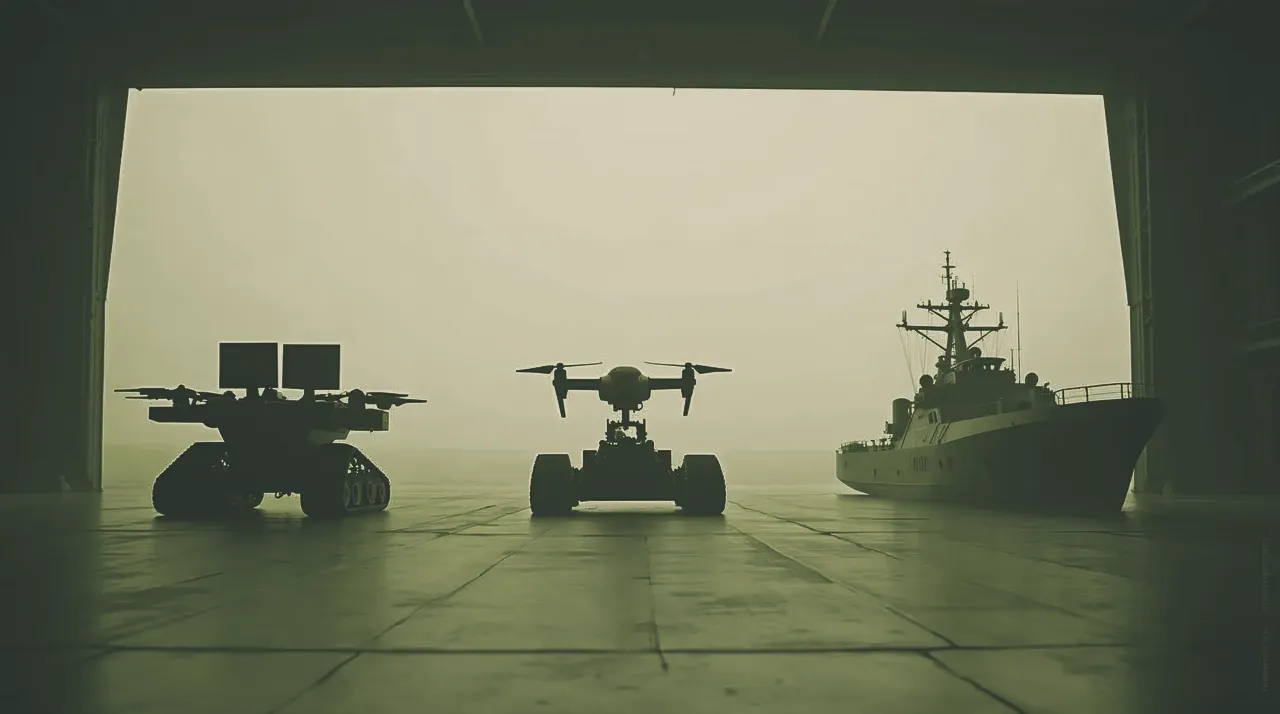
A June 29 memo hands a single "drone czar" directive and contracting authority over most US unmanned programs, from small quadcopters to sea robots, as Washington races to close a production gap it is losing on volume.
Defense Secretary Pete Hegseth signed a memo on June 29 creating one office with authority over nearly every unmanned program in the US military, Breaking Defense reported after obtaining the document. The Pentagon made it public two days later.
The new office, the Direct Reporting Portfolio Manager for Unmanned Systems, or DRPM-UxS, will be "the single joint integrator for all unmanned and autonomous system programs" in the department, according to the memo. Its director, still unnamed, answers to Deputy Defense Secretary Stephen Feinberg.
The DRPM-UxS takes directive authority over Group 1-3 drones, unmanned surface and underwater vessels, ground robots, counter-drone systems, and the autonomy and swarming software that runs them, DefenseScoop wrote. Larger airframes stay with the services. The Air Force's Collaborative Combat Aircraft, the Navy's MQ-25 tanker and MQ-4C surveillance drone, and the Navy's medium unmanned surface vessel are all carved out, per USNI News.
Hegseth gave the office milestone decision power over its programs, letting it direct service contracting, shift money through the Pentagon comptroller and stop any system before it reaches the field, Defense News noted. It also folds in the counter-drone task force JIATF-401 and the Defense Autonomous Warfare Group, the mass-production effort descended from the Replicator initiative. Billets under the office are exempt from the department's hiring freezes.
For industry, the pivotal line names the Defense Innovation Unit as the sole interface between the department and commercial drone makers for the whole portfolio, and orders the office to write open-architecture and interoperability standards for the fleet. DroneXL, which tracks the drone market, called that certified front door the clearest buying signal US manufacturers have seen, pointing to firms such as Neros and Skydio, and pegged the wider drone and counter-drone budget behind the portfolio near $75 billion, a figure the Pentagon has not confirmed.
Adversaries turn out millions of unmanned systems a year and the US "has been slow to field these capabilities at scale," Parnell said, casting the office as the way to catch up on output. Defense News put the FY27 ask for autonomous platforms at $53.6 billion.
The battlefield and the startup story — free in your inbox every week. No paywall.
Subscribe Free →No director has been chosen, and the memo sets no deadline. Until Feinberg fills the seat, the services' scattered unmanned programs wait on the inventory and execution plan the memo orders within months, USNI News reported.
Frequently Asked Questions
What is the DRPM-UxS?
It is the Direct Reporting Portfolio Manager for Unmanned Systems, a new Pentagon office Defense Secretary Pete Hegseth created in a June 29 memo to serve as "the single joint integrator for all unmanned and autonomous system programs," according to the memo released by the War Department. Its director reports to Deputy Defense Secretary Stephen Feinberg.
Which programs does it control?
Group 1-3 drones, unmanned surface and underwater vessels, ground robots, counter-drone systems, and the autonomy and swarming software that runs them, DefenseScoop reported. Large airframes such as the Collaborative Combat Aircraft, the MQ-25 and MQ-4C, and the Navy's medium unmanned surface vessel are excluded, per USNI News.
What authority does the office hold?
Milestone decision authority, the power to direct service contracting, move funds through the comptroller and halt fielding, plus direct-hire authority exempt from Pentagon freezes, Defense News reported. It also absorbs the JIATF-401 counter-drone task force and the Defense Autonomous Warfare Group.
Why did the Pentagon create it?
To field unmanned systems faster as the US falls behind on production volume. Spokesman Sean Parnell said adversaries build millions of systems a year while the US "has been slow to field these capabilities at scale."
What does it mean for drone companies?
The Defense Innovation Unit becomes the single industry interface for the portfolio, the memo states; DroneXL called that front door the clearest buying signal US drone makers have seen. The FY27 request carries $53.6 billion for autonomous platforms, per Defense News.
Who will lead the office?
No director has been named, and the memo sets no date for filling the role, Breaking Defense reported. Hegseth ordered the future director to inventory the services' drone programs and build an execution plan in the coming months.
AI-generated summary, reviewed by an editor. More on our AI guidelines.

Marcus Schuler
Marcus Schuler edits BattlePolicy, a daily defense-technology brief connecting the companies and capabilities behind modern war to the contest among Europe, the US, Russia, and China.