Hisar
Hisar is Türkiye's indigenous short-and-medium-range SAM family — the two middle rungs (Hisar-A, Hisar-O) of the "Steel Dome" air-defense ladder below the long-range Siper. ASELSAN radars, ROKETSAN missiles, and a naval version that scored a live UAV kill in 2025.
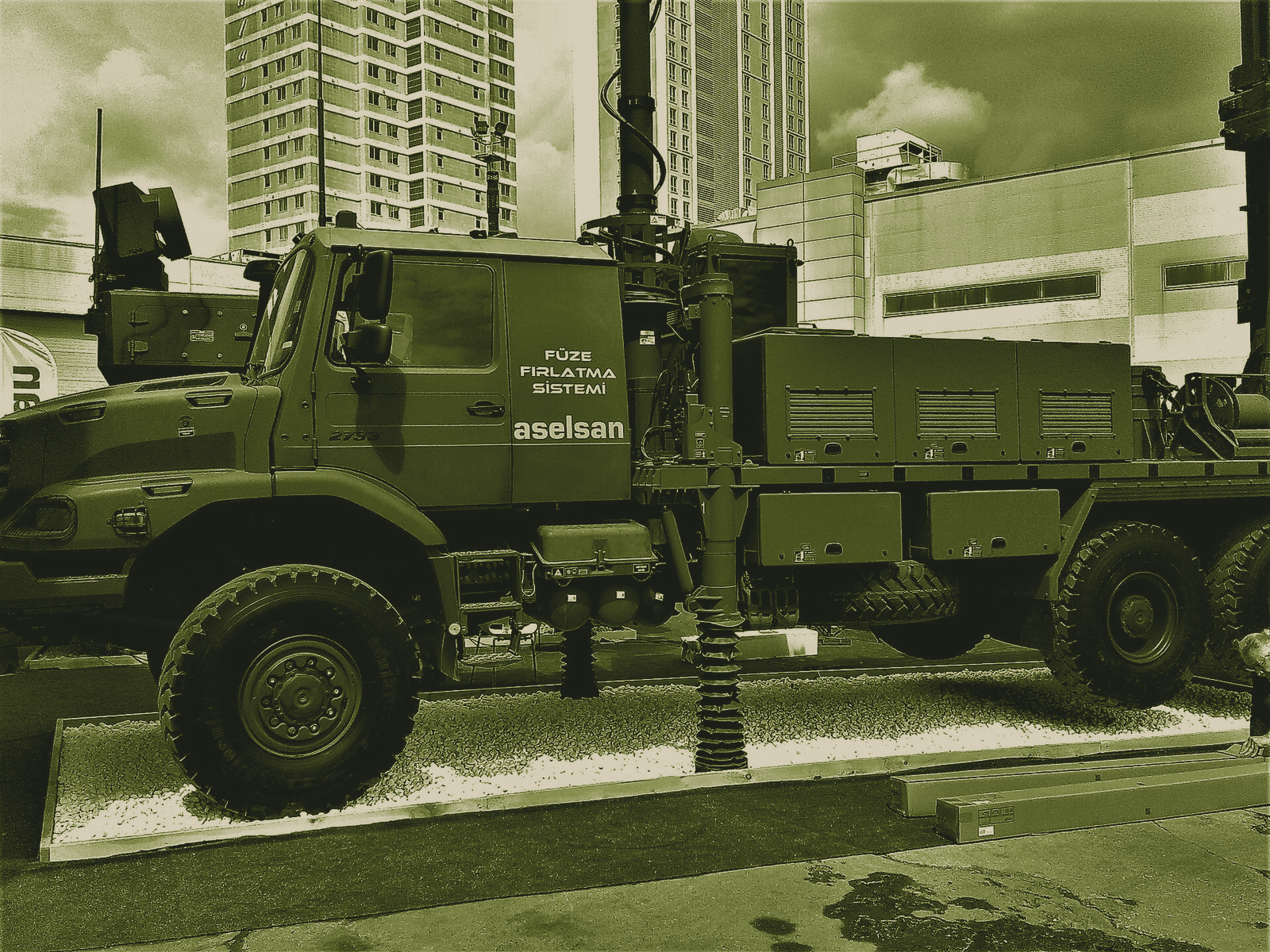

Türkiye's fortress, built at home — Hisar ("fortress") is the indigenous surface-to-air missile family that fills the middle of Turkey's air-defense ladder: the short-range Hisar-A and medium-range Hisar-O, sitting below the long-range Siper and above the Korkut gun. Born from a 2007 decision to stop depending on foreign air defense, built by ASELSAN radars and ROKETSAN missiles, and now rolling out by the batch into the "Steel Dome" umbrella, Hisar is the workhorse tier of Turkey's home-grown shield — the layer that catches the drones and aircraft the long-range interceptors save themselves for.
Overview
Hisar is the family of indigenous Turkish surface-to-air missiles built to give Türkiye a home-grown air-defense stack — ROKETSAN missiles, ASELSAN radars and fire control, managed by the defense-industries presidency (SSB). It fills the two middle rungs of Turkey's layered "Steel Dome" (Çelik Kubbe): the short-range, low-altitude Hisar-A (range >15 km) and the medium-range Hisar-O (range >25 km, altitude >15 km), sitting between the Korkut 35mm gun below and the long-range Siper above — the long-range member, Hisar-U, is Siper, which this lexicon covers separately. A naval variant, Hisar-D RF, fires from the indigenous MIDLAS vertical-launch system on Turkey's new Istanbul-class frigates and scored the family's first live kill — a UAV target off Sinop in August 2025. The design intent is national self-sufficiency: after a 2007 decision driven by dependence on imported systems and blocked access to strategic air defense, Türkiye built Hisar to a "+" production standard with domestically-developed seekers, and began mass deployment in 2025 (three complete Hisar-O systems — 21 vehicles — handed to the armed forces that August). Its capabilities are all manufacturer-stated and its combat record is thin — no confirmed operational intercept (deployments to Syria and Libya, and a contested Sudan claim, but successes to date are test firings). What Hisar represents is strategic more than tactical: it is the backbone tier of Turkey's drive to field a complete, indigenous, exportable air-defense architecture, and a growing export prospect (Bangladesh, Indonesia) in its own right.
🔒 The full Hisar file is for BattlePolicy Pro members. Below the line: development history, design and capabilities, variants, the combat record, advantages and limitations, comparable systems, outlook, the full specifications table, our sourcing, and the analyst assessment — procurement, suppliers and the BattlePolicy verdict. Unlock the full file with BattlePolicy Pro →
Below this point
- Development
- Design & capabilities
- Variants
- Combat record / operational use
- Advantages
- Drawbacks / limitations
- Counterparts
- Outlook
- Key specifications
- Sources
- Analyst Section
- Procurement & contracts
- Suppliers & related companies
- Comparable systems — analyst view
- Analyst note