Japan eyes Palantir's Maven for SDF command, opening an AI-sovereignty fight
Tokyo is weighing a US firm's software for the core of how its commanders read the battlefield, a first for the Self-Defense Forces that also opens a fight over who controls Japan's military data.
Tokyo is weighing a US firm's software for the core of how its commanders read the battlefield, a first for the Self-Defense Forces that also opens a fight over who controls Japan's military data.
Japan's Defense Ministry is considering Palantir's Maven Smart System to run command-and-control for the Self-Defense Forces, the Asahi Shimbun reported, citing multiple government officials. The SDF has never put AI at the core of command-and-control before.
The push runs through policy, not a contract yet. Prime Minister Sanae Takaichi's government intends to write expanded command-and-control AI into three revised security documents due this year, the National Security Strategy, the National Defense Strategy and the Defense Buildup Program, and to fold some of the cost into the fiscal 2027 budget request, UPI reported, translating an Asia Today account.
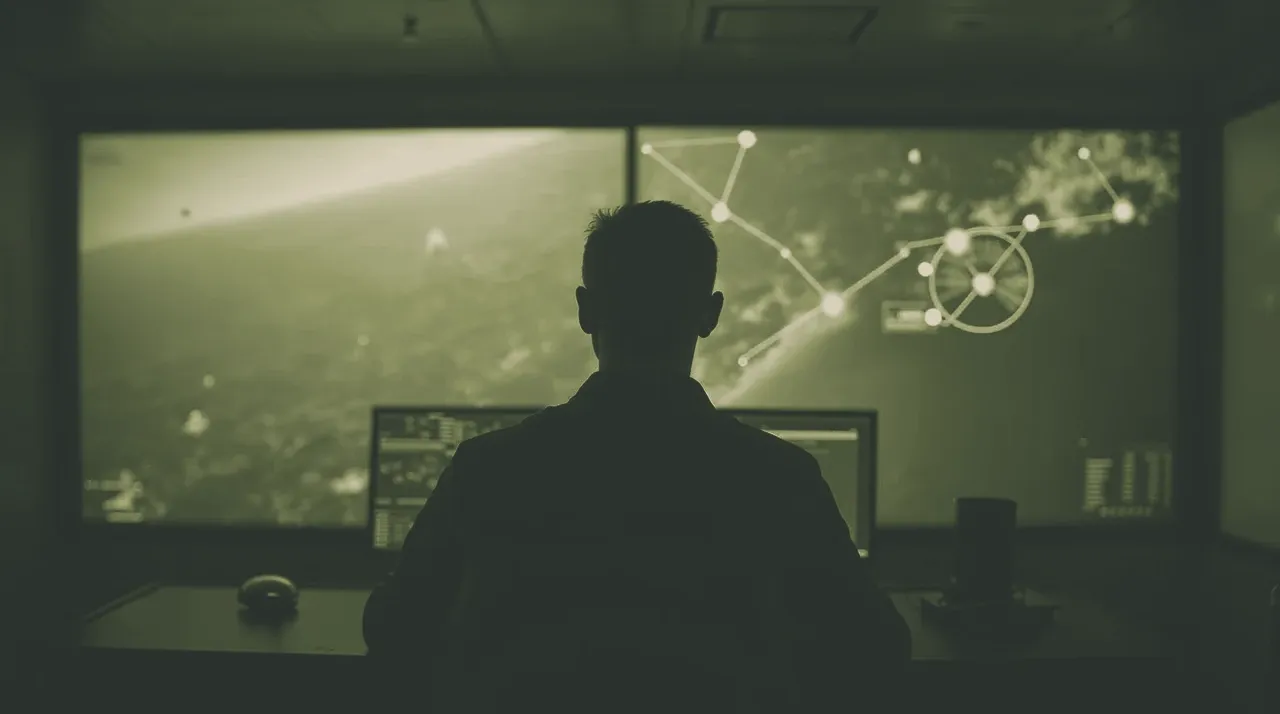
Maven pulls in satellite, drone, radar and sensor feeds, flags threats and targets, and hands commanders ranked courses of action, per UPI. The Pentagon is moving the system to a formal long-term program. Palantir's software already ran inside Keen Edge, the late-January to February command-post exercise between the SDF and US Indo-Pacific Command, according to Asahi.
That is the draw and the catch. Adopting Maven would speed how Japan, the US and South Korea pass targeting data during a North Korean missile launch, Chinese military activity, or a Taiwan Strait crisis. It would also route the highest level of military decision-support through software a foreign company controls. Officials cite "AI sovereignty," the risk of leaks through shared classified data, and a supplier's power to limit access. Voices in the ruling coalition want a domestic system, with one proposal running a US platform now and a Japanese one later.
Japan's 2024 AI policy named seven priority areas, command-and-control among them, and held that AI should assist rather than replace human judgment.
The battlefield and the startup story — free in your inbox every week. No paywall.
Subscribe Free →The three document revisions and the fiscal 2027 budget request will show whether Tokyo buys American command software now or waits for a homegrown one.
Frequently Asked Questions
What is Japan considering?
Japan's Defense Ministry is weighing Palantir's Maven Smart System to run command-and-control for the Self-Defense Forces, the Asahi Shimbun reported, citing multiple government officials. It would be the first time the SDF puts AI at the core of command-and-control.
What does the Maven Smart System do?
According to UPI, Maven pulls in satellite, drone, radar and sensor feeds, flags threats and targets, and presents commanders with ranked courses of action. The US Defense Department is moving Maven to a formal long-term program.
How would Japan adopt it?
UPI, translating an Asia Today report, said the Takaichi government plans to write expanded command-and-control AI into three revised security documents this year, the National Security Strategy, National Defense Strategy and Defense Buildup Program, and to reflect some cost in the fiscal 2027 budget request.
Why is the plan controversial inside Japan?
The Asahi Shimbun and UPI report that officials cite "AI sovereignty" concerns: dependence on a foreign firm, the risk of leaks through shared classified data, and a supplier's power to limit access. Voices in the ruling coalition want a domestically built system.
Has Maven already been used with the SDF?
Yes. According to the Asahi Shimbun, Palantir's AI system was used during Keen Edge, the joint command-post exercise between the SDF and US Indo-Pacific Command held from late January to February.
Why does this matter beyond Japan?
UPI notes that AI-assisted command could speed targeting-data sharing among the US, Japan and South Korea during a North Korean missile launch, Chinese military activity, or a Taiwan Strait crisis, while also raising the stakes of any error in automated assessments.
AI-generated summary, reviewed by an editor. More on our AI guidelines.

Marcus Schuler
Marcus Schuler edits BattlePolicy, a daily defense-technology brief connecting the companies and capabilities behind modern war to the contest among Europe, the US, Russia, and China.