The Pentagon's 'Agent Network' puts AI agents into the targeting cycle
The Department of War's second AI "pace-setting" project runs Palantir and Lumbra software agents that hand commanders targeting options in seconds.
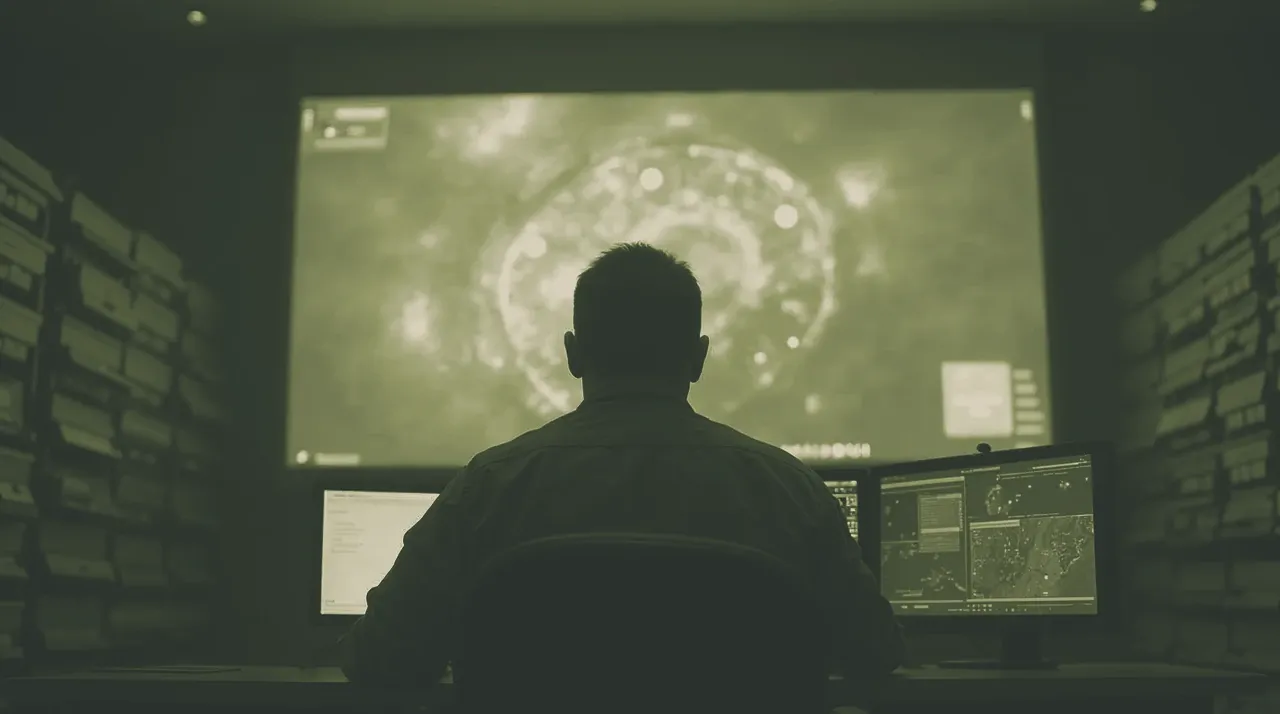
The Department of War's second AI "pace-setting" project runs Palantir and Lumbra software agents that hand commanders targeting options in seconds.
The Department of War launched "Agent Network" on June 25, a set of AI agents that scan intelligence and operational feeds and hand commanders targeting options within seconds. Defense One reported the agents assemble fresh options as the operating picture changes, instead of waiting on analysts.
It is the second of seven Pace-Setting Projects under the department's January AI Acceleration Strategy. The Chief Digital and Artificial Intelligence Office runs it with U.S. Pacific, Southern, and European Commands. The system sits on Palantir's Maven Smart System, the command-and-control software the department has expanded for years, and adds an agentic layer from Lumbra, a firm led by former warfighters. In testing, users tracked more than 500 assets and produced over 300 targeting solutions, GovConFeed wrote. The agents do not select or strike targets, the department said. Commanders keep decision authority.
The launch follows the joint targeting doctrine the Pentagon quietly revised in April, first revealed by Bloomberg, which described AI initiating actions under human monitoring. The program pairs the established prime Palantir with Lumbra, a new entrant. Two of the three commands running it, Pacific and European, face China and Russia.
The battlefield and the startup story — free in your inbox every week. No paywall.
Subscribe Free →The system is not fielded yet. It has to clear operational evaluation and oversight before any command uses it, and it follows Swarm Forge, the drone project whose Crucible 2 round picked 25 companies.
Frequently Asked Questions
What is Agent Network?
A Department of War system of AI agents that scan intelligence and operational feeds and surface targeting options for commanders within seconds, launched June 25 as the second of seven Pace-Setting Projects under the January AI Acceleration Strategy, per the department.
Does it select or strike targets on its own?
No. The department said the agents do not autonomously select or strike targets; commanders keep decision authority over every targeting choice.
Who built it?
It runs on Palantir's Maven Smart System for command and control and integrates an agentic AI layer from Lumbra, a firm led by former warfighters and intelligence professionals, per the department and Defense One.
How did it perform in testing?
In testing, users tracked more than 500 assets and generated over 300 targeting solutions, figures the department cited to show it can manage a dense picture without overwhelming reviewers, per GovConFeed.
Is it in use now?
Not yet. The department said Agent Network requires rigorous testing, operational evaluation, and oversight before it is fielded.
Which commands are involved?
The Chief Digital and Artificial Intelligence Office leads the effort with U.S. Pacific Command, U.S. Southern Command, and U.S. European Command, per the department.
AI-generated summary, reviewed by an editor. More on our AI guidelines.

Marcus Schuler
Marcus Schuler edits BattlePolicy, a daily defense-technology brief connecting the companies and capabilities behind modern war to the contest among Europe, the US, Russia, and China.