Khordad-15
Iran's road-mobile medium-to-long-range surface-to-air missile system, combining a phased-array engagement radar with Sayyad-family interceptors for defense against aircraft and uncrewed aerial vehicles.
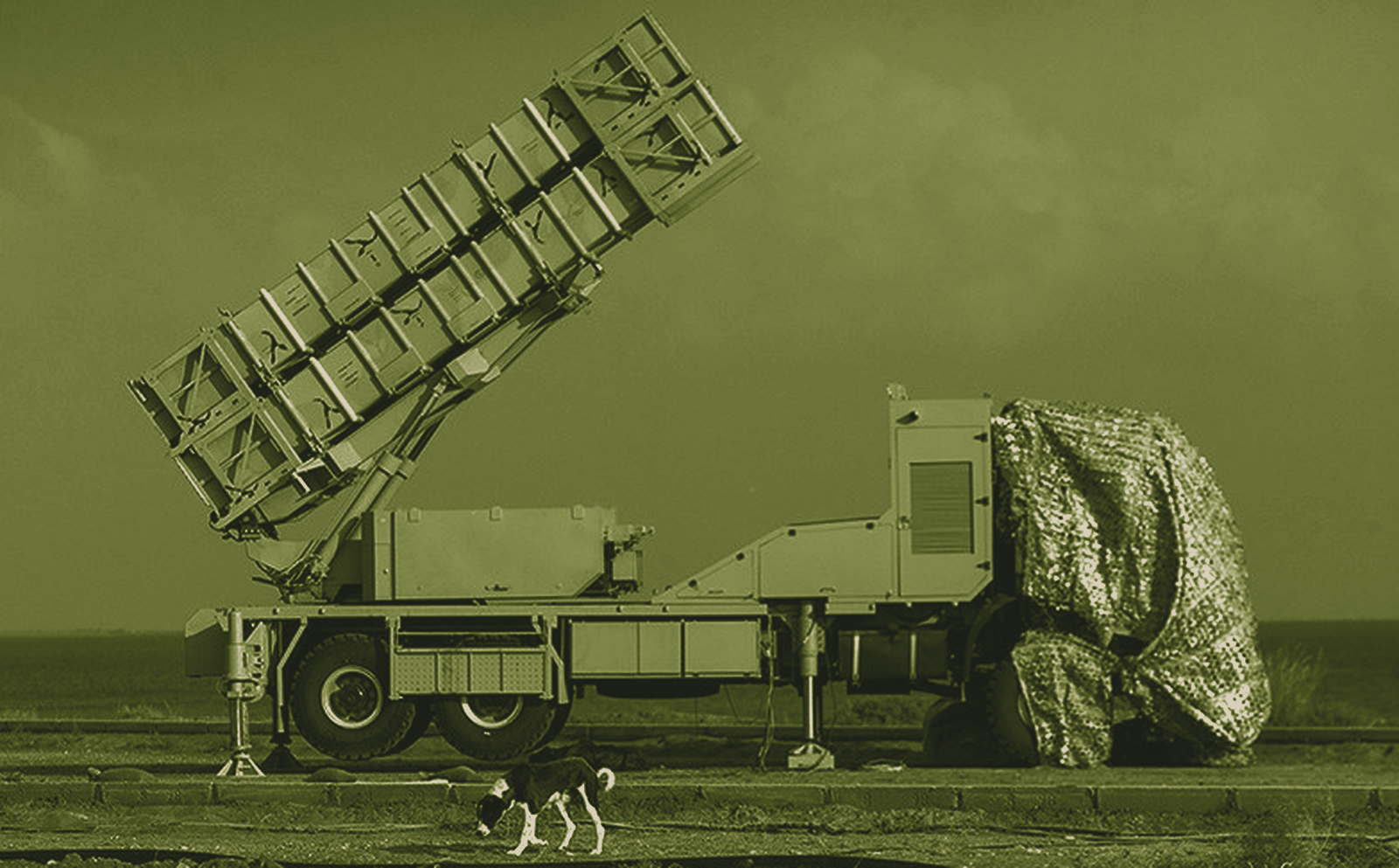

An Iranian road-mobile, medium-to-long-range surface-to-air missile system built around a phased-array radar and Sayyad-family interceptors.
Overview
Khordad-15, also rendered as 15th Khordad or Panzdah Khordad, is an Iranian mobile surface-to-air missile system intended to defend fixed sites and operational areas against aircraft and uncrewed aerial vehicles. Iran publicly unveiled the system in June 2019 and subsequently assigned it to the Islamic Republic of Iran Air Defense Force. It occupies a middle layer between shorter-range Iranian systems and long-range assets such as Bavar-373 and the imported S-300.
The system combines a truck-mounted engagement radar and control station with separate mobile launchers carrying Sayyad-family missiles. Iranian officials claim that it can detect conventional aerial targets at 150 km, track them at 120 km and engage six targets simultaneously. Its publicly reported engagement range varies substantially, however: CSIS Missile Threat gives a maximum of 75 km, while Iranian and secondary accounts report envelopes extending to 120 km. These differences may reflect inconsistent terminology, missile configuration or unverified state claims.
Khordad-15 is distinct from the older 3rd Khordad system operated by the Islamic Revolutionary Guard Corps. The similar names have caused persistent confusion, including occasional misattribution of the 3rd Khordad system's June 2019 shootdown of a US RQ-4A Global Hawk.
🔒 The full Khordad-15 file is for BattlePolicy Pro members. Below the line: development history, design and capabilities, variants, the combat record, advantages and limitations, comparable systems, outlook, the full specifications table, our sourcing, and the analyst assessment — procurement, suppliers and the BattlePolicy verdict. Unlock the full file with BattlePolicy Pro →
Below this point
- Development
- Design & capabilities
- Variants
- Combat record / operational use
- Advantages
- Drawbacks / limitations
- Counterparts
- Outlook
- Key specifications
- Sources
- Analyst Section
- Procurement & contracts
- Suppliers & related companies
- Comparable systems — analyst view
- Analyst note