Marine Corps picks Bullfrog for L-MADIS, putting a gun on a jamming truck
Allen Control Systems' autonomous turret joins L-MADIS under a prototype agreement worth about $6.2 million, adding bullets to a counter-drone platform that has run on jamming.
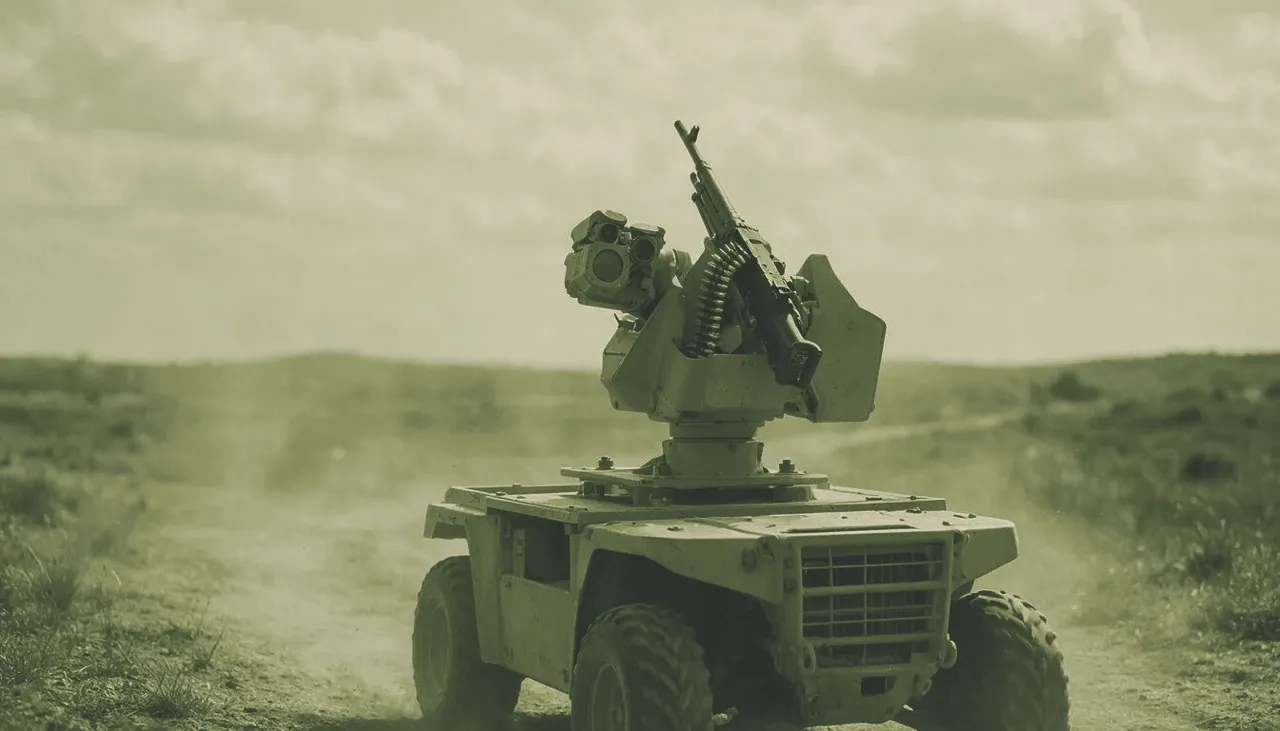
Allen Control Systems' autonomous turret joins L-MADIS under a prototype agreement worth about $6.2 million, adding bullets to a counter-drone platform that has run on jamming.
The Marine Corps has selected Allen Control Systems' Bullfrog autonomous weapon station under its Ground Based Air Defense program, the Austin company said Monday. Bullfrog goes onto the Light Marine Air Defense Integrated System, the Corps' most expeditionary counter-drone platform, through a prototype Other Transaction Agreement.
Breaking Defense put the initial award at roughly $6.2 million, Defence Blog relayed. Janes described the agreement as undisclosed in value and noted that ACS did not answer its questions on which Bullfrog variant is going onto the vehicle.
L-MADIS rides on two Polaris MRZR all-terrain vehicles, one for command, the other carrying an electronic-warfare suite built to jam and disrupt hostile drones, according to Army Recognition. Bullfrog bolts a gun onto that. The platform has been EW-first, and jamming does nothing to a drone flying an autonomous route with no radio link to break. The turret covers that gap.
The hardware is a mount, not a new weapon. It takes an M240 machine gun and turns it into a detect, track and engage system: 300 pounds without ammunition, 7.62x51mm NATO, up to 850 rounds a minute, per the company. The sensor suite is fully passive, cameras and processing rather than radar, so the station does not radiate a signature for an adversary to hunt. A human still has to approve every engagement. Range figures diverge. Defense News gave the M240 variant a maximum effective range of nearly half a mile; Janes cited 800 meters from the company's website; Defence Blog wrote up to 1,500 meters depending on variant.
ACS claims a cost-per-kill as low as $10. The reference point: Iranian Shahed drones run about $35,000 while some U.S. interceptors cost around $4 million, Defense News wrote.
Bullfrog is already deployed with the Army and Navy and validated through Joint Interagency Task Force 401, the Pentagon's counter-drone acquisition unit, the company stated. ACS holds export contracts with South Korea and the UAE, plus a co-production memorandum with Romania.
The battlefield and the startup story — free in your inbox every week. No paywall.
Subscribe Free →In June the company raised $200 million at a $2.2 billion valuation. This is the procurement step that money was raised to win. The Corps is requesting about $1.27 billion for Ground Based Air Defense in its fiscal 2027 budget, and the $6.2 million prototype buys a seat at it.
Frequently Asked Questions
What did the Marine Corps actually select?
Allen Control Systems' Bullfrog autonomous weapon station, chosen under the Corps' Ground Based Air Defense program for integration into L-MADIS through a prototype Other Transaction Agreement, according to the company's July 20 statement.
How much is the contract worth?
Breaking Defense reported an initial value of roughly $6.2 million, relayed by Defence Blog and Army Recognition. Janes described the agreement as being for an undisclosed amount, so the figure is not confirmed by every outlet.
What is L-MADIS?
The Light Marine Air Defense Integrated System, the Corps' most expeditionary counter-drone platform. Army Recognition describes it as two Polaris MRZR all-terrain vehicles, one serving as command and control, the other carrying an electronic-warfare suite for detecting and disrupting hostile drones.
Does Bullfrog fire on its own?
No. Defence Blog reports the system operates in autonomous or semi-autonomous modes but still requires a person to authorize any engagement before it fires.
Why does a machine gun matter against drones?
Cost. Allen Control Systems claims a cost-per-kill as low as $10 using standard ammunition. Defense News notes Iranian Shahed drones cost around $35,000 while some interceptors used against them run about $4 million.
Where else is Bullfrog fielded?
The company says it is already deployed with the U.S. Army and Navy and validated through Joint Interagency Task Force 401, the Pentagon's counter-drone acquisition unit, with export contracts in South Korea and the UAE and a co-production memorandum with Romania.
AI-generated summary, reviewed by an editor. More on our AI guidelines.

Marcus Schuler
Marcus Schuler edits BattlePolicy, a daily defense-technology brief connecting the companies and capabilities behind modern war to the contest among Europe, the US, Russia, and China.