GRID-REF 37°47′N 122°25′W
DISPATCH 03/26 · 2 Jul 2026
BATTLEPOLICY
Startup to front line. Strategy to consequence.
Lexicon · USA

Merops

Merops is the Ukraine-proven interceptor drone the US Army bought ~13,000 of — an Eric Schmidt-funded, AI-guided fixed-wing drone that homes on Shaheds when jammed, rams them for ~$15,000 a shot, and recovers by parachute if it misses. The interceptor economy crossing the Atlantic.
Merops
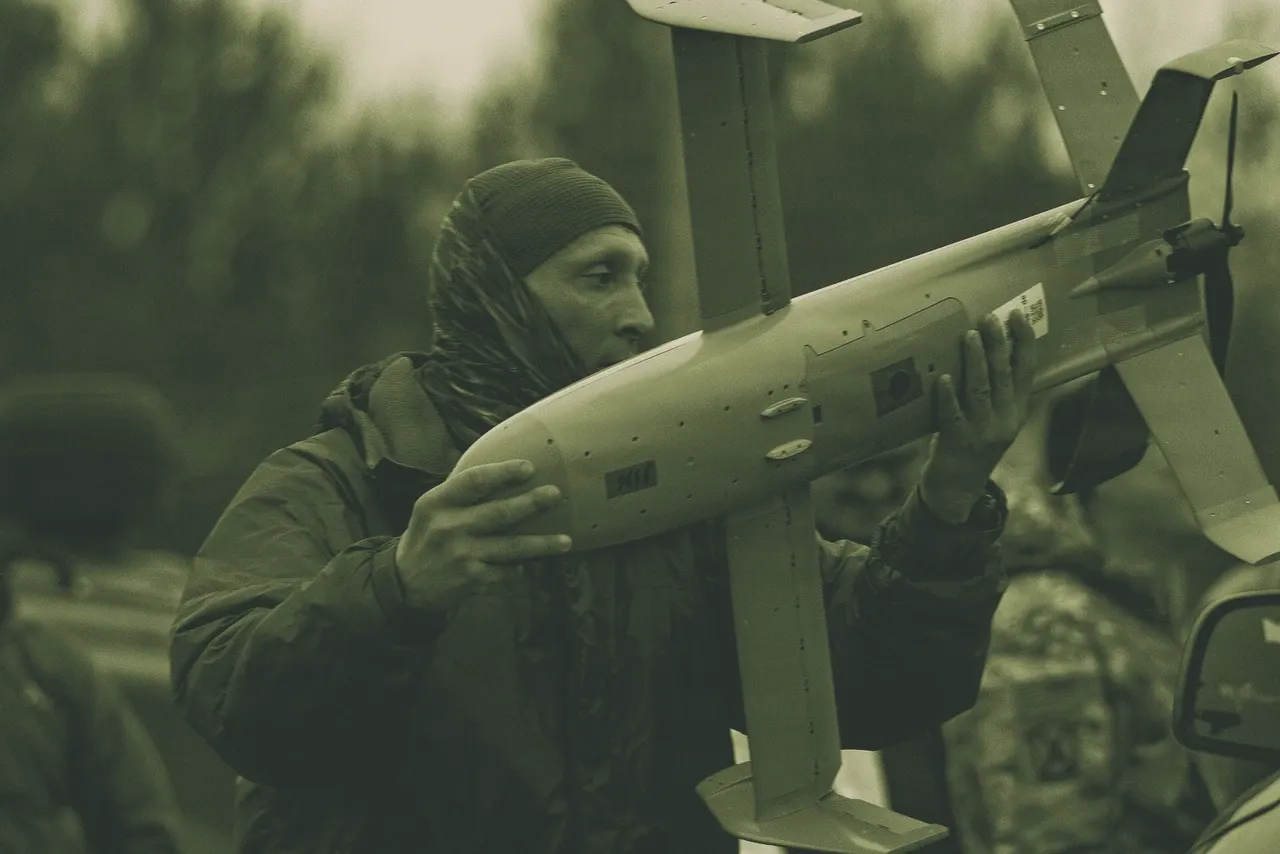
FIG.01 · USA Image - a Polish soldier handling a Merops Surveyor interceptor. Photo by Sgt. Luis Garcia / 10th Army Air and Missile Defense Command / United States…, Public domain, via Wikimedia Commons.
The interceptor economy crosses the Atlantic — Merops is the Ukraine-combat-proven drone the US Army bought roughly thirteen thousand of in eight days, and it is the clearest sign yet that Washington has absorbed the lesson Kyiv taught: you beat cheap-mass attack with cheap-mass defense. Built by an Eric Schmidt-funded Silicon Valley startup, it is a fixed-wing AI drone that homes on a Shahed even when its links are jammed, rams it for about $15,000 a shot, and — if it misses — floats down under a parachute to fly again. It downed thousands of Russian drones in Ukraine before the Pentagon rushed it to the Middle East to protect US troops from Iran's barrages.

Overview

Merops is a US low-cost counter-drone system built by Perennial Autonomy — the California startup (formerly White Stork, then Project Eagle) launched and self-funded by former Google CEO Eric Schmidt, with ex-Pentagon acquisition chief Will Roper and staff from SpaceX, Google and Apple. The system pairs radar and electro-optical sensors with a truck-portable launcher that fires the "Surveyor" interceptor — a ~1-meter, fixed-wing, electric drone (not a quadcopter) that closes on Shahed and Geran attack drones at up to ~280 km/h and kills by ramming or proximity detonation, recovering by parachute if it misses. Its decisive feature is autonomy under jamming: developed with Ukrainian frontline operators, it homes on its target using onboard AI and thermal/RF/radar sensors when GPS and radio links are cut. The Ukraine record is the proof — by late 2025 it had reportedly downed 1,900-plus Russian drones (accounting for ~40% of intercepted Shaheds), and over 4,000 by 2026 — and it is why the US Army bought roughly 13,000 in eight days during the 2026 Iran war, at ~$15,000 each (a figure often conflated with a separate $500 million Pentagon contract; see below). Fielded also by Poland, Romania and Lithuania, Merops is the first at-scale US procurement of a Ukraine-proven interceptor — and it has already run into the tension that success creates: the Army does not own the design, and has launched a program specifically to end its dependence on a single vendor.

Development

Merops began in 2023, when Schmidt — after trips to Ukraine and conversations with frontline operators facing the Shahed problem — launched a venture called White Stork, later renamed Project Eagle and now operating as Perennial Autonomy. Forbes reported him "secretly testing AI military drones" at his Menlo Park family office in June 2024, around when Merops was first deployed by Ukrainian forces against Russian Shaheds, per Wikipedia. By November 2025 the system had reportedly destroyed 1,900-plus Russian drones and accounted for ~40% of downed Shaheds — the 10th Army Air and Missile Defense Command's Brig. Gen. Curtis King called it "very lethal" — and it was demonstrated to Polish and Romanian troops, having been used in Ukraine 18-plus months, per Janes. The 2026 Iran war (from 28 February) was the catalyst: with Iran firing thousands of drones at US bases, the Pentagon rushed Merops to the Middle East, and Army Secretary Daniel Driscoll told Congress that "within about eight days, we were able to purchase 13,000 Merops," using a streamlined acquisition process that collapsed a multi-year cycle into a single decision — at ~$15,000 each, per The War Zone and Defense News. Then, on 18–19 May 2026, JIATF-401 awarded Perennial a separate $500 million three-year IDIQ — the Pentagon's largest single counter-drone deal, covering Merops plus the Bumblebee and Hornet systems, per Defense News. Romania integrated Merops into its national air defense on 29 June 2026, and on 1 July a Ukrainian unit's Shahed-kill video (attributed by analysts to Merops, though unconfirmed) put it back in the headlines.

🔒 The rest of the Merops file is for BattlePolicy Pro members. Stop here and you miss the part that actually matters: the design and its jam-proof autonomy, the cost-math the headlines get wrong, the combat record and its documented failures, the sole-source tension now shaping US policy, the complete specifications table, and our analysts' assessment notes. Unlock the full file with BattlePolicy Pro →
FIELD DISPATCH · WEEKLY

BattlePolicy Weekly — free.

Defense tech, startups, and security — weekly.

Related
USA · Air · light-attack · close-air-support · isr · trainer-derived · turbopropPro

AT-6 Wolverine

The AT-6 Wolverine is the A-29 Super Tucano's perennial bridesmaid — Textron's armed version of the T-6 Texan II trainer, faster and with ejection seats, sharing thousands of trainers' logistics. Yet it lost every big competition to the A-29 and to the OA-1K, and only Thailand ever bought it.

USA · Air · light-attack · close-air-support · isr · trainer-derived · turboprop
USA · Air · light-attack · close-air-support · isr · special-operations · turbopropPro

OA-1K Skyraider II

The OA-1K Skyraider II is the armed crop-duster that beat the A-29 Super Tucano for the US Armed Overwatch contract — an Air Tractor AT-802 turned into an L3Harris gunship with 10 hardpoints, Hellfires and a WESCAM sensor ball. It won the US buy the A-29 dominates the world without.

USA · Air · light-attack · close-air-support · isr · special-operations · turboprop
USA · Air Defense · sam · cold-war · frankensam · russia-ukraine-warPro

MIM-23 Hawk

The MIM-23 Hawk is the 1950s US medium-range SAM the Pentagon retired in the 1990s — and pulled back from the grave for Ukraine. Spanish launchers, US-refurbished missiles and Taiwanese stocks now down Shaheds and cruise missiles by the score, proof that cheap depth beats exquisite scarcity.

USA · Air Defense · sam · cold-war · frankensam · russia-ukraine-war