NATO picks Anduril's Lattice for air command trial against Palantir and Athea
NATO is testing the $61 billion startup's AI software as the data backbone for air operations across 32 nations, with one of three platforms winning long-term implementation.
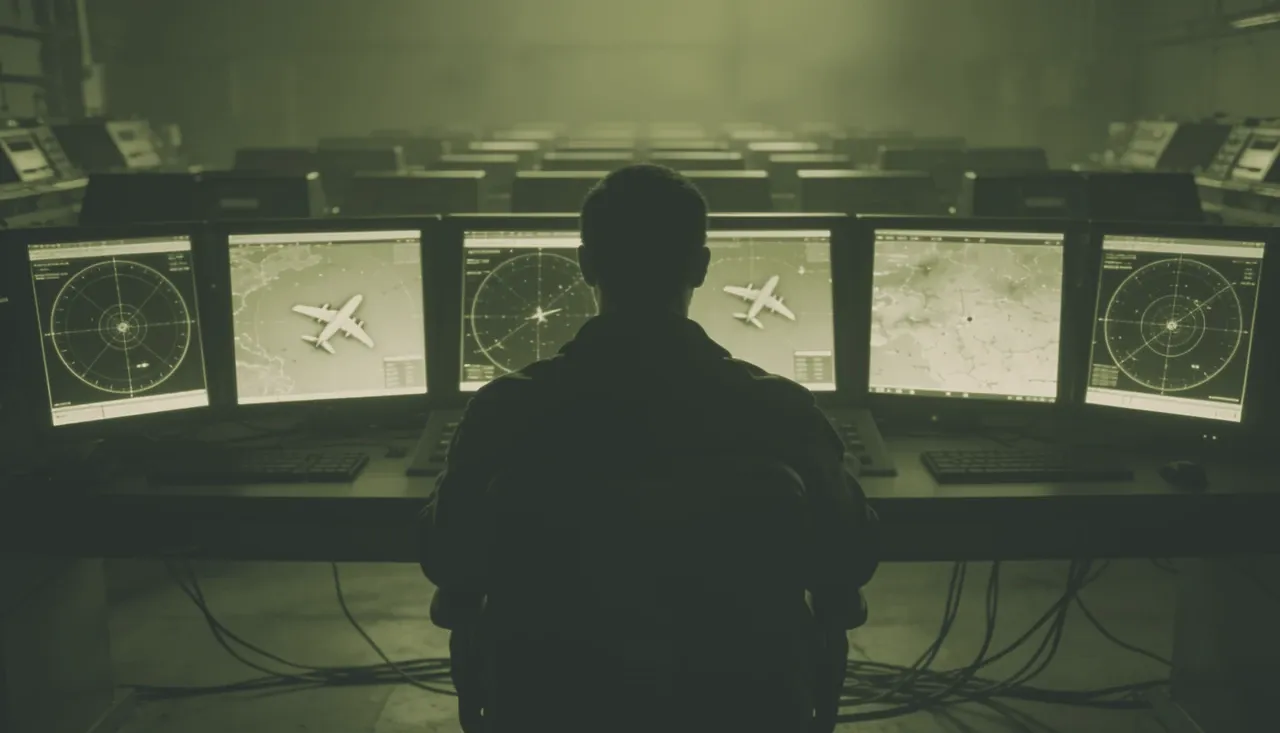
NATO is testing the $61 billion startup's AI software as the data backbone for air operations across 32 nations, with one of three platforms winning long-term implementation.
The NATO Communications and Information Agency picked Anduril Industries to stand up Lattice, the company's AI command-and-control software, inside the alliance's network under the Enhanced Air Command and Control (eAirC2) Data Platform Initiative, Defence24 wrote on July 15. NCIA announced the award July 7 at the NATO Summit Defence Industry Forum in Ankara. It is the first NATO contract in the company's nine-year history. Anduril UK and the firm's European team now have nine months to wire the platform into air traffic control, airspace surveillance and force management.
The award is one of three. Palantir got one, so did Athea SAS of France, and each vendor will run its own software inside live NATO environments before the alliance settles on a single platform, per Defence Blog. Nils Schroeter, who runs NATO's independent programme office for enhanced AirC2, said the contracts position the alliance "to meet increasingly complex threats" and give warfighters "a platform that can rapidly adapt at the speed of relevance."
Thirty-two member states fly with radar tracks, air traffic data and threat assessments locked in national systems, some built decades apart under different security rules. Anduril's pitch is that Lattice plugs into those legacy systems through an open architecture instead of ripping them out. Each nation keeps sovereignty over its own data. When communications get jammed or degraded, the software keeps synchronizing whatever picture is left, the company says.
Anduril has run this play on the US Army already. The service named the company in June to lead the common data layer for its Next Generation Command and Control program, where Lattice sits beside Palantir's Foundry, Defence Blog detailed, and in March handed Anduril an enterprise contract with a $20 billion ceiling, The Jerusalem Post noted. CEO Palmer Luckey called the NATO award "another important step towards our goal of stitching together every platform, even the ones built decades ago" in a post on X.
The battlefield and the startup story — free in your inbox every week. No paywall.
Subscribe Free →Anduril hit a $61 billion valuation this spring, CNBC said on July 9. In Ankara, Secretary-General Mark Rutte announced $40 billion for counter-drone defenses and joint purchases of air and maritime surveillance assets, The Jerusalem Post wrote, and all of that hardware will feed data through whichever platform survives this runoff. The three vendors submit final offers once the nine-month evaluations wrap, per Defence Blog, and NCIA picks a single supplier for the alliance.
Frequently Asked Questions
What did NATO award Anduril?
The NATO Communications and Information Agency selected Anduril to deploy its Lattice software under the Enhanced Air Command and Control (eAirC2) Data Platform Initiative, a nine-month evaluation covering air traffic control, airspace surveillance and force management, per Defence24 and Defence Industry Europe.
What is Anduril Lattice?
Lattice is Anduril's AI command-and-control platform. It uses computer vision, machine learning and mesh networking to fuse data from disparate sensors into one operating picture, and connects existing systems through an open architecture rather than replacing them, according to The Jerusalem Post.
Who is Anduril competing against for the NATO contract?
Palantir and France's Athea SAS received parallel eAirC2 awards on July 7, 2026. Each company deploys its own platform inside NATO environments, and the alliance will select a single solution for long-term implementation, per Defence Blog and The Jerusalem Post.
Why does NATO want a new air command-and-control data platform?
Coordinating air operations across 32 member states means synchronizing radar, air traffic and threat data from national systems built decades apart under different security rules, a patchwork that slows decisions, per Defence Blog. The eAirC2 program moves NATO toward a modular, data-centric architecture while preserving national control over data.
What happens after the nine-month evaluation?
The three vendors submit final offers after testing against operational requirements, and NATO picks one company for alliance-wide implementation, per Defence Blog. NCIA General Manager Dr Dylan Browne called the awards a milestone toward faster decision-making across the NATO Command and Force Structures.
AI-generated summary, reviewed by an editor. More on our AI guidelines.

Marcus Schuler
Marcus Schuler edits BattlePolicy, a daily defense-technology brief connecting the companies and capabilities behind modern war to the contest among Europe, the US, Russia, and China.