Pentagon clears SkyValor, an autonomous counter-drone system that nets and jams, for force-wide use
A southern-border test validated CACI's net-and-jam system for the entire US military, the latest move in a counter-drone scramble shaped by the drone war in Ukraine and by hostile drones now killing American troops.
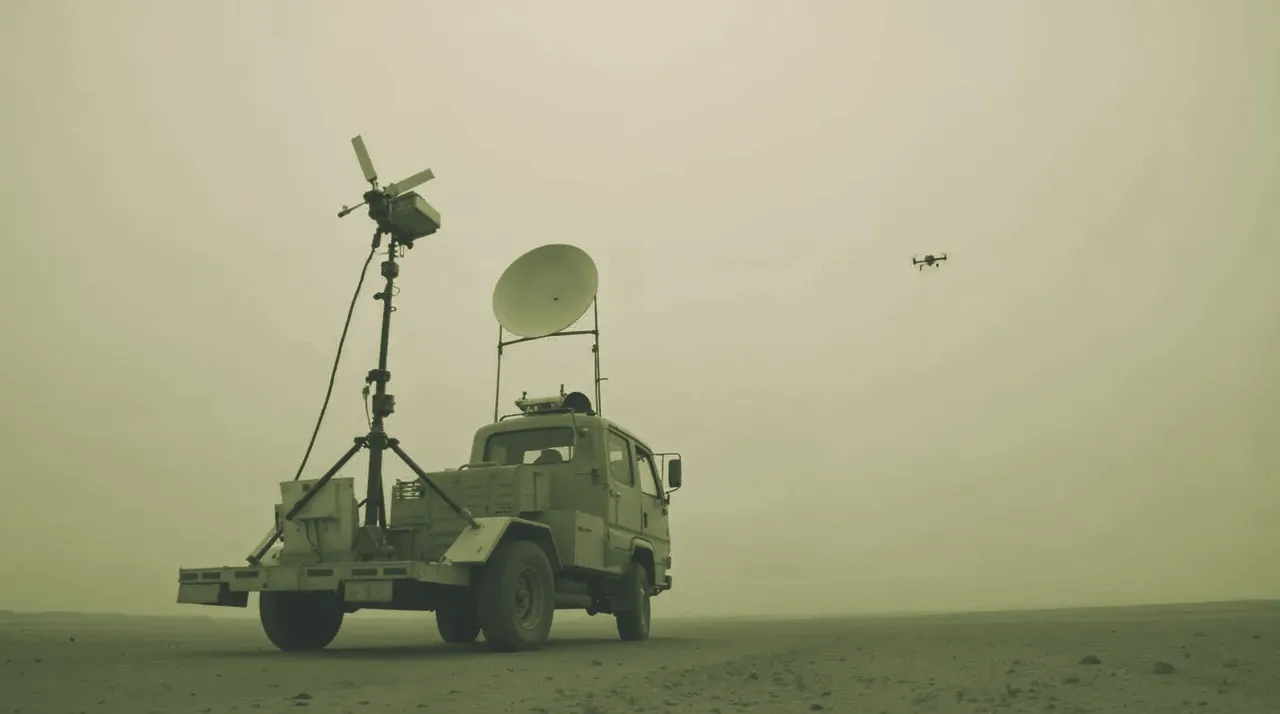
A southern-border test validated CACI's net-and-jam system for the entire US military, the latest move in a counter-drone scramble shaped by the drone war in Ukraine and by hostile drones now killing American troops.
The Pentagon has validated SkyValor, a counter-drone system built by CACI International, for use across the entire Joint Force after a two-day test at Marine Corps Air Station Yuma in Arizona, DefenseScoop reported. Joint Interagency Task Force 401, the Army-led body that runs Pentagon counter-drone work, flew the system against targets at varied ranges, elevations and flight paths in mid-May. "SkyValor is now validated for use as one component of a layered C-UAS defense across the entire Joint Force," task force spokesman Lt. Col. Adam Scher said.
SkyValor, which CACI says was previously called Merlin, is non-kinetic. It disables drones without shooting them. CACI says the system jams targets from more than 40 miles out in some cases and fires nets that capture drones from nearly four miles, running on what the company calls automated sense-and-shoot algorithms. It rides on a mobile trailer and senses around the clock on its own. JIATF-401 ran the trial at the southern border, which Gen. Gregory Guillot of US Northern Command calls a "literal and figurative sandbox" for counter-drone gear, Business Insider reported.
The clearance lands inside a procurement rush. JIATF-401 coordinated a three-year, $500 million contract for Perennial Autonomy's AI-driven interceptors, which the company says were combat-tested in Ukraine, UAS Magazine reported, and Echodyne is supplying radar for a separate $490 million Air Force counter-drone deal. The Pentagon's 2026 counter-drone budget request runs to $3.1 billion, per Warrior Maven. The pressure is concrete: hostile drones killed six US service members in Kuwait in March and three soldiers in Jordan in 2024, Business Insider reported.
The battlefield and the startup story — free in your inbox every week. No paywall.
Subscribe Free →What to watch is whether SkyValor draws a production order. CACI would not say if the Yuma validation is tied to a broader contract, and the Pentagon deferred questions, per DefenseScoop.
Frequently Asked Questions
What is SkyValor?
A counter-drone "detect and defeat" system built by CACI International, previously called Merlin. It is non-kinetic, disabling drones with jamming and nets rather than gunfire, and runs autonomously from a mobile trailer, per DefenseScoop.
What did the Pentagon approve?
Joint Interagency Task Force 401 validated SkyValor for use across the entire Joint Force after a two-day test at Marine Corps Air Station Yuma, Arizona, in mid-May, according to a task force spokesman cited by DefenseScoop.
How does a non-kinetic counter-drone system work?
It disables a drone without shooting it down. CACI says SkyValor jams targets from more than 40 miles away in some cases and fires nets that capture drones from nearly four miles, using automated sense-and-shoot algorithms, per DefenseScoop.
Why is the US testing counter-drone tech at the southern border?
Military leaders call the border a "sandbox" for counter-drone systems, where rising drone use in drug trafficking gives crews live targets. Gen. Gregory Guillot of US Northern Command called it a "literal and figurative sandbox," Business Insider reported.
How much is the US spending on counter-drone systems?
The Pentagon's 2026 counter-drone budget request runs to $3.1 billion, per Warrior Maven. Recent awards include a three-year, $500 million contract for Perennial Autonomy's interceptors and a $490 million Air Force deal using Echodyne radar, per UAS Magazine.
AI-generated summary, reviewed by an editor. More on our AI guidelines.

Marcus Schuler
Marcus Schuler edits BattlePolicy, a daily defense-technology brief connecting the companies and capabilities behind modern war to the contest among Europe, the US, Russia, and China.