CACI SkyValor
CACI's SkyValor is a long-range, autonomous counter-drone system that defeats UAS without gunfire, jamming their links and firing nets to capture them intact. The Pentagon validated it for use across the entire US Joint Force in June 2026 after a southern-border test.
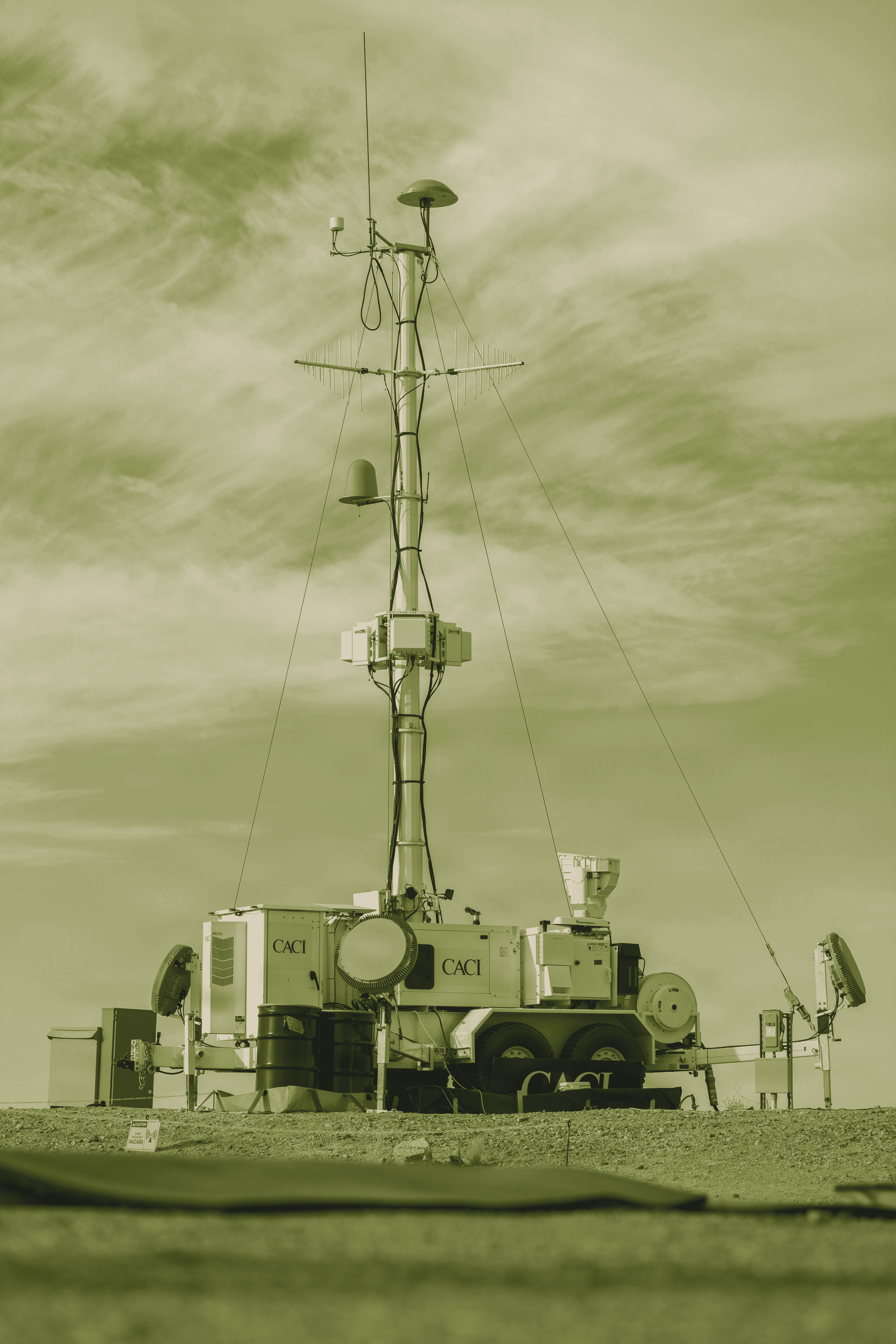
CACI's SkyValor is a long-range, autonomous counter-drone system that defeats small drones without gunfire, combining radio-frequency jamming with nets that capture UAS intact.
Overview
SkyValor is a long-range, autonomous counter-unmanned-aircraft system (C-UAS) built by CACI International. It detects, tracks, identifies and defeats drones by non-kinetic means — radio-frequency jamming and physical capture nets — rather than with guns or missiles. CACI markets it as part of a wider counter-drone (C-UxS) suite and says the system fuses RF, radar and electro-optical/infrared sensors to engage everything from small first-person-view (FPV) quadcopters to Group 5 platforms, the US military's largest UAS category, according to CACI and DefenseScoop.
On June 7, 2026, Joint Interagency Task Force 401 (JIATF-401), the Army-led body that coordinates Pentagon counter-drone work, validated SkyValor for use across the entire US Joint Force after a two-day evaluation at Marine Corps Air Station Yuma, Arizona, per DVIDS, DefenseScoop and SOFX. The system is mounted on a mobile trailer and, per CACI, senses around the clock and can respond autonomously or with a human in the loop. Its distinguishing feature is that it aims to disable or capture a drone without destroying it — an approach US officials call "low-collateral," valued both over populated areas and for recovering an intact drone whose origin can then be analyzed, according to DefenseScoop.
🔒 The full CACI SkyValor file is for BattlePolicy Pro members. Below the line: development history, design and capabilities, variants, the combat record, advantages and limitations, comparable systems, outlook, the full specifications table, our sourcing, and the analyst assessment — procurement, suppliers and the BattlePolicy verdict. Unlock the full file with BattlePolicy Pro →
Below this point
- Development
- Design & capabilities
- Combat record / operational use
- Advantages
- Drawbacks / limitations
- Counterparts
- Outlook
- Key specifications
- Sources
- Analyst Section
- Procurement & contracts
- Suppliers & related companies
- Comparable systems — analyst view
- Analyst note