Radiant Locked In Its Reactor Fuel Six Days Before the Army Committed $750 Million
A binding TRISO fuel contract signed six days before the Army's Janus award is what lets Radiant promise sealed, pre-fueled microreactors to Fort Benning. The reactor was never the hard part.
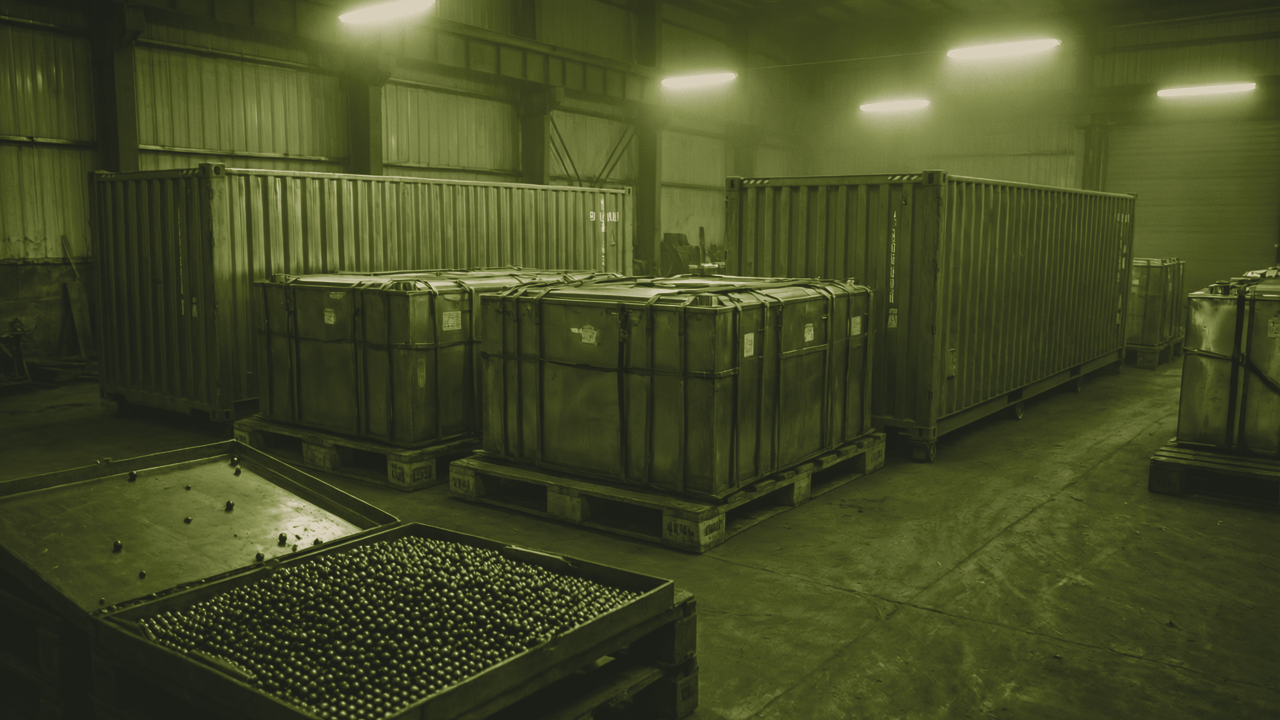
A binding fuel contract signed six days before the Army's award is what lets Radiant promise sealed, pre-fueled reactors to Fort Benning.
Standard Nuclear executed a binding agreement with Radiant Industries on Aug. 20 to supply multiple metric tons of TRISO nuclear fuel through 2031, the Oak Ridge fuel maker announced. The fuel runs Kaleidos, Radiant's 1-megawatt transportable microreactor. Six days later the Army named Radiant one of five vendors in its Janus program and paired the El Segundo company with Fort Benning, Georgia. Radiant said its agreement is worth up to $750 million for 15 reactors.
Frequently Asked Questions
What did Standard Nuclear and Radiant actually agree to?
A binding fuel supply agreement, executed Aug. 20, under which Standard Nuclear fabricates and delivers multiple metric tons of TRISO fuel to Radiant through 2031, per Standard Nuclear. The fuel is made to specification for Kaleidos, Radiant's 1-megawatt microreactor. Financial terms were not disclosed.
Why does the fuel supply matter more than the reactor design?
Kaleidos ships as a sealed, pre-fueled unit that a customer plugs in, so Radiant cannot make firm delivery commitments without a qualified domestic fuel source. Standard Nuclear says it is the only US company with industrial-scale TRISO fabrication facilities, which makes it the gate Radiant has to pass.
What is the Army's Janus program?
An effort to power military installations with nuclear microreactors so critical missions continue if the commercial grid fails. The Army announced on Aug. 26 that it is awarding up to $2.2 billion across five vendors paired with five bases: Antares at Fort Bragg, BWXT at Fort Campbell, General Atomics at Fort Hood, Radiant at Fort Benning and Westinghouse at Fort Drum.
How much is Radiant getting, and for what?
Radiant said its agreement runs up to $750 million to develop and deploy 15 Kaleidos microreactors, and that it plans to deliver them by 2030. The Army declined to break out how much each of the five companies may receive from the $2.2 billion pot, per Federal News Network.
What could still hold the program up?
Enriched uranium supply. Jeff Waksman, the Army's principal deputy assistant secretary for installations, energy and environment, said the microreactor effort is "probably going to push beyond what our supplies are as a nation," while adding that he expects the program's fastest-moving reactors to be prioritized. The US enriches only a small share of the world's uranium.
AI-generated summary, reviewed by an editor. More on our AI guidelines.
Below this point
4 more sections.

Marcus Schuler
Marcus Schuler edits BattlePolicy, a daily defense-technology brief connecting the companies and capabilities behind modern war to the contest among Europe, the US, Russia, and China.