Singularity Says Navy Lab Pact Took Its Interceptor Motor to Static Fire in Three Months
Interceptor startup Singularity says a solid rocket motor co-developed with the Navy's China Lake weapons center completed a static fire about three months after the two signed a research agreement. No contract has been announced.
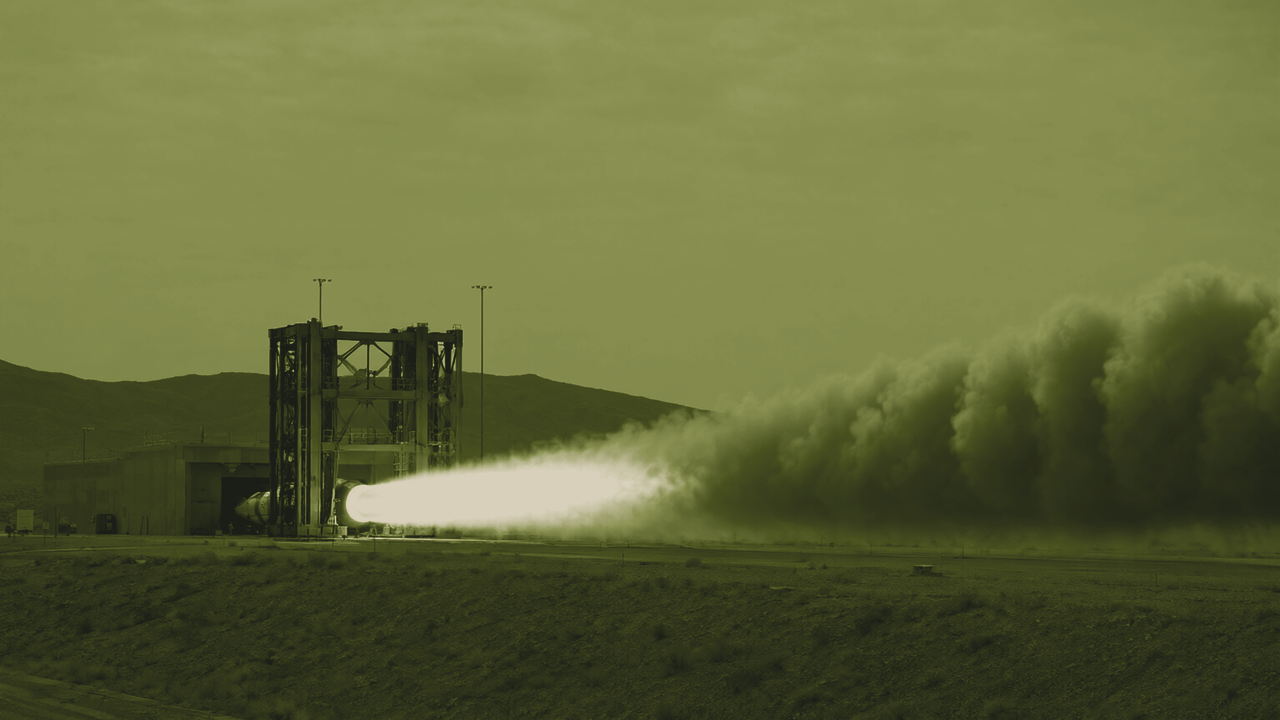
The research agreement with the Navy's China Lake weapons center speeds the motor step for an interceptor startup that has yet to announce a contract or show its weapon.
Singularity said Oct. 22 that a solid rocket motor for its planned air defense interceptors completed a static fire. The motor was developed under a Cooperative Research and Development Agreement (CRADA) with the Naval Air Warfare Center Weapons Division (NAWCWD). Aviation Week covered the test the same day. The release says the teams intend to take the motor into high-volume production. Singularity has yet to unveil the interceptor in full. No contract value was disclosed.
Frequently Asked Questions
What did Singularity and NAWCWD test?
A solid rocket motor for Singularity's planned air defense interceptors, static-fired under a Cooperative Research and Development Agreement with the Naval Air Warfare Center Weapons Division, Singularity announced on Oct. 22.
How long did the motor take to reach static fire?
About three months from clean sheet, against a conventional timeline of about a year, according to Singularity.
Does Singularity have a military contract?
None has been announced. The CRADA is a research agreement, and the release discloses no contract value.
Who funds Singularity?
Khosla Ventures and Felicis led an $80 million Series A at a $400 million valuation when the company left stealth in July, per Tectonic.
What comes next?
Singularity has not dated the unveiling of its interceptor. The Army plans a reopened competition for its IFPC Increment 2 second interceptor in the fourth quarter of 2027.
Read next — from the Lexicon
Below this point
4 more sections.

Marcus Schuler
Marcus Schuler edits BattlePolicy, a daily defense-technology brief connecting the companies and capabilities behind modern war to the contest among Europe, the US, Russia, and China.