Royal Navy drops Type 83 destroyer for drone-control Common Combat Vessels
Britain will scrap the planned Type 83 destroyer and buy at least six Common Combat Vessels to control air, surface and underwater drones, the MoD said, reshaping the Royal Navy's surface fleet around uncrewed systems.
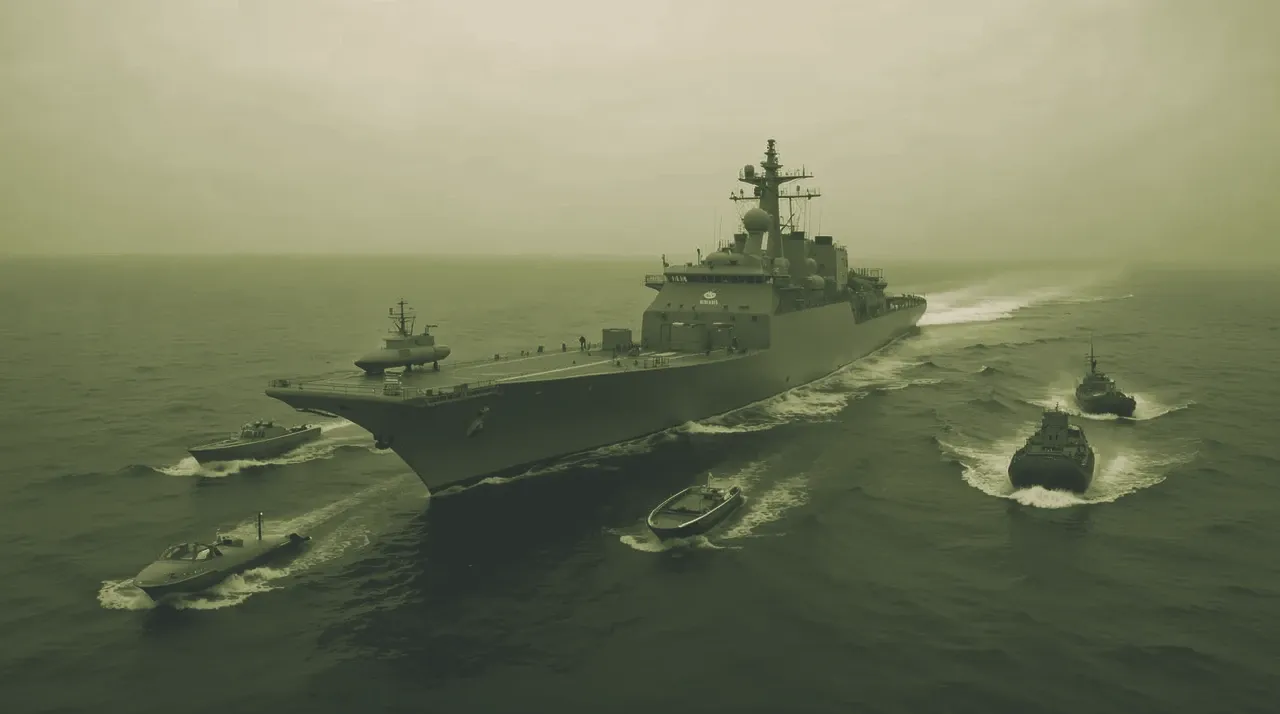
Britain will scrap the planned Type 83 destroyer and buy at least six Common Combat Vessels to control air, surface and underwater drones, the MoD said, reshaping the Royal Navy's surface fleet around uncrewed systems.
Britain will not build the Type 83 destroyer it planned as a successor to its Type 45 air-defence ships, the Ministry of Defence said Sunday. In its place the Royal Navy will procure at least six "Common Combat Vessels," hybrid warships built to act as control hubs for uncrewed systems in the air, on the surface and beneath it, the Sunday Times was first to report. Delivery is expected from the early 2030s, and the ships are to be built in Britain.
The decision lands in the long-delayed Defence Investment Plan, due before NATO leaders meet in Ankara. The Type 83 had stood for years as the Type 45's replacement but never moved past early design, defence minister Luke Pollard told Parliament earlier this year, with about £1 million spent on platform-specific work. The six Type 45 destroyers are due to leave service by the end of 2038.
The Common Combat Vessel inverts the old model. Instead of one large crewed destroyer carrying the radar and missiles, fewer crewed ships will coordinate networks of autonomous platforms, the MoD said, extending the Navy's reach "without a proportional increase in crew or cost." Underwater drones and sensor platforms feature heavily, driven by ministerial warnings about Russian submarine activity in the Atlantic near undersea cables, The Independent reported. The program anchors three Atlantic concepts: Bastion, Shield and Strike.
The battlefield and the startup story — free in your inbox every week. No paywall.
Subscribe Free →That is the fuse. Drone-warfare experience and the Russian sub threat are reshaping a nuclear-armed navy's force structure, and the bill runs into the billions. Press accounts of the figures diverge and remain unconfirmed by the MoD. Defence Secretary Dan Jarvis is said to have won around £1 billion more from the Treasury, taking the settlement to roughly £14.5 billion, the Sunday Times reported via The Independent, still short of the £28 billion officials had identified. The Daily Mail put the total as high as £15 billion, with £500 million earmarked for commandos' high-speed boats and strike drones. Jarvis's predecessor, John Healey, resigned this month after a £13.5 billion offer he said fell short.
The CCV now carries the Royal Navy's future air defence, a role that until this weekend belonged to a destroyer the service had yet to design. The full Defence Investment Plan is due within days.
Frequently Asked Questions
What is a Common Combat Vessel?
A hybrid warship built to act as a control hub for uncrewed systems in the air, on the surface and underwater, rather than a single large crewed destroyer carrying all the radar and missiles itself, the Ministry of Defence said.
Why did Britain scrap the Type 83 destroyer?
The Type 83 never moved past early design, defence minister Luke Pollard told Parliament, with about £1 million spent on platform-specific work. The MoD opted instead for vessels that coordinate drone networks, citing drone warfare and Russian submarine activity in the Atlantic.
How many vessels will the Royal Navy buy, and when?
At least six Common Combat Vessels, built in Britain, with delivery expected from the early 2030s, the MoD said. They will replace the six Type 45 destroyers due to leave service by the end of 2038.
What role do the underwater drones serve?
The CCVs will coordinate underwater drones and sensor platforms, driven by ministerial warnings about Russian submarine activity in the Atlantic near undersea cables, The Independent reported. The program anchors three Atlantic concepts: Bastion, Shield and Strike.
How much will it cost?
The figures are press claims the MoD has not confirmed. Defence Secretary Dan Jarvis is reported to have secured around £1 billion more, taking the settlement to roughly £14.5 billion, the Sunday Times reported; the Daily Mail put the total as high as £15 billion, with £500 million for commandos. Officials had identified £28 billion as required.
AI-generated summary, reviewed by an editor. More on our AI guidelines.

Marcus Schuler
Marcus Schuler edits BattlePolicy, a daily defense-technology brief connecting the companies and capabilities behind modern war to the contest among Europe, the US, Russia, and China.