Challenger 3
Britain's tank gets a new gun at last — the Challenger 3 rebuilds the Challenger 2 with an all-new turret and a NATO-standard 120mm smoothbore cannon, ending decades of Britain going its own way with a rifled gun. A modest 148-tank fleet, with first deliveries due in 2027.
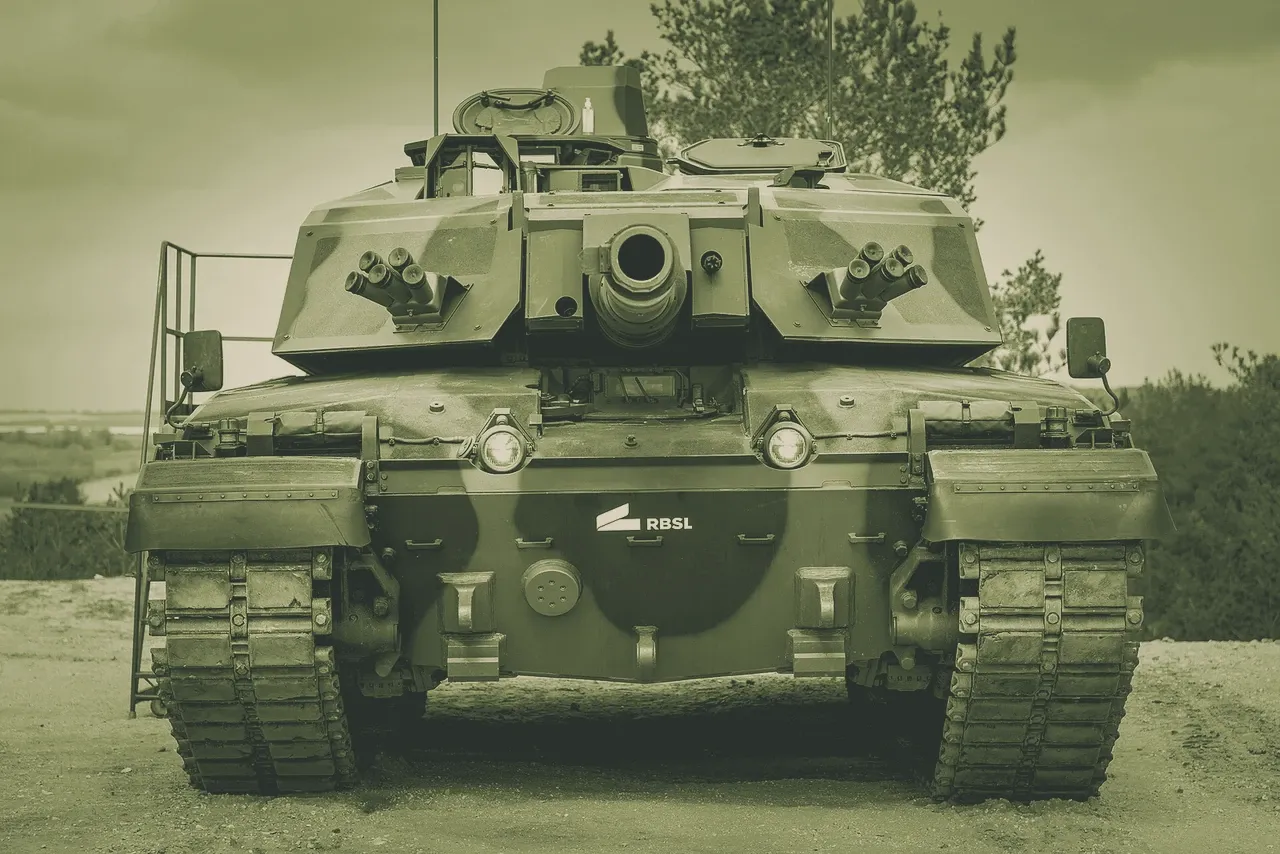

Britain's tank gets a new gun at last — the Challenger 3 rebuilds the ageing Challenger 2 with an all-new turret and, decisively, a NATO-standard 120mm smoothbore cannon, ending decades in which Britain stood almost alone in fielding a rifled tank gun and its own bespoke ammunition. The upgrade adds modular armour, digital sights and an active protection system, lifting the lethality and survivability of a modest 148-tank fleet. After supply-chain delays, first deliveries are due in 2027 — a much-needed modernization of the British Army's heavy armour, shaped by the lessons of Ukraine.
Overview
The Challenger 3 (CR3) is the British Army's next main battle tank — not a clean-sheet design but a deep rebuild of the Challenger 2, undertaken by Rheinmetall BAE Systems Land (RBSL). Its most significant change is the gun: the Challenger 2's unique 120mm L30A1 rifled cannon (which used distinctive bagged-charge ammunition incompatible with the rest of NATO) is replaced by an all-new turret mounting the 120mm L55A1 smoothbore gun — a British-adapted version of the Rheinmetall Rh-120 L55 used on the latest Leopard 2 — firing NATO-standard kinetic-energy and programmable rounds. The upgrade also brings modular armour, modern digital sights and fire control, and provision for an active protection system. The British Army is converting 148 Challenger 2s to CR3 standard — a deliberately modest fleet — with first operational deliveries slated for 2027 after development and supply-chain delays. The Challenger 3 is, in effect, Britain finally bringing its heavy armour into NATO's ammunition and lethality mainstream.
🔒 The full Challenger 3 file is for BattlePolicy Pro members. Below the line: development history, design and capabilities, variants, the combat record, advantages and limitations, comparable systems, outlook, the full specifications table, our sourcing, and the analyst assessment — procurement, suppliers and the BattlePolicy verdict. Unlock the full file with BattlePolicy Pro →
Below this point
- Development
- Design & capabilities
- Variants
- Combat record / operational use
- Advantages
- Drawbacks / limitations
- Counterparts
- Outlook
- Key specifications
- Sources
- Analyst Section
- Procurement & contracts
- Suppliers & related companies
- Comparable systems — analyst view
- Analyst note