Type 212 / 214 Submarine
The submarine that "disappears" — Germany's Type 212/214 pioneered near-silent hydrogen fuel-cell propulsion, letting a non-nuclear boat stay submerged for weeks and slip past sonar so well it has "sunk" carriers in NATO war games. The world's benchmark export AIP submarine.
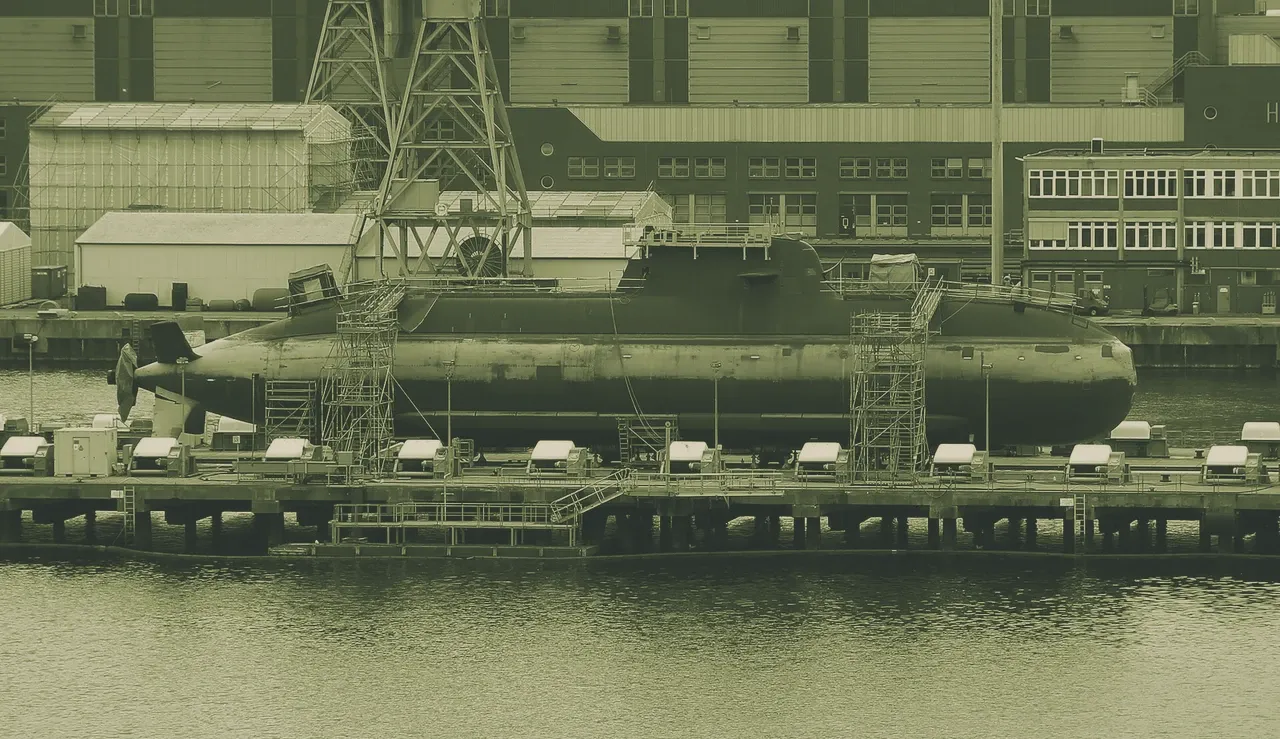

The submarine that "disappears" — Germany's Type 212/214 family pioneered near-silent hydrogen fuel-cell propulsion, letting a non-nuclear boat stay submerged for weeks and run so quietly it has repeatedly "sunk" aircraft carriers in NATO exercises. Built by thyssenkrupp Marine Systems, the German-navy Type 212A and the export Type 214 became the world's benchmark conventional submarine — sold across Europe, Asia and beyond — and the AIP design against which every rival, including newer Asian boats, is measured.
Overview
The Type 212/214 is a family of air-independent-propulsion (AIP) diesel-electric attack submarines built by Germany's thyssenkrupp Marine Systems (TKMS) and its Howaldtswerke-Deutsche Werft (HDW) yard. Its defining technology is hydrogen fuel-cell AIP: instead of surfacing to run noisy diesels, the boat generates electricity silently from hydrogen and oxygen, allowing it to remain submerged for two to three weeks while running on near-silent fuel cells — making it extraordinarily hard to detect. The German and Italian navies operate the Type 212A (built with non-magnetic steel to evade magnetic detection); the Type 214 is the export-optimized version, sold to Greece, South Korea, Turkey, Portugal and others; and the newer, larger Type 212CD is being built for Germany and Norway. Across these variants, the family is the most successful modern conventional-submarine design — the AIP benchmark that established the standard much of the world's submarine fleet now follows.
🔒 The full Type 212 / 214 Submarine file is for BattlePolicy Pro members. Below the line: development history, design and capabilities, variants, the combat record, advantages and limitations, comparable systems, outlook, the full specifications table, our sourcing, and the analyst assessment — procurement, suppliers and the BattlePolicy verdict. Unlock the full file with BattlePolicy Pro →
Below this point
- Development
- Design & capabilities
- Variants
- Combat record / operational use
- Advantages
- Drawbacks / limitations
- Counterparts
- Outlook
- Key specifications
- Sources
- Analyst Section
- Procurement & contracts
- Suppliers & related companies
- Comparable systems — analyst view
- Analyst note