Rtut-BM / 1L262E
Russia's tracked electronic-warfare station designed to trigger radio-proximity-fuzed shells before they reach protected troops.
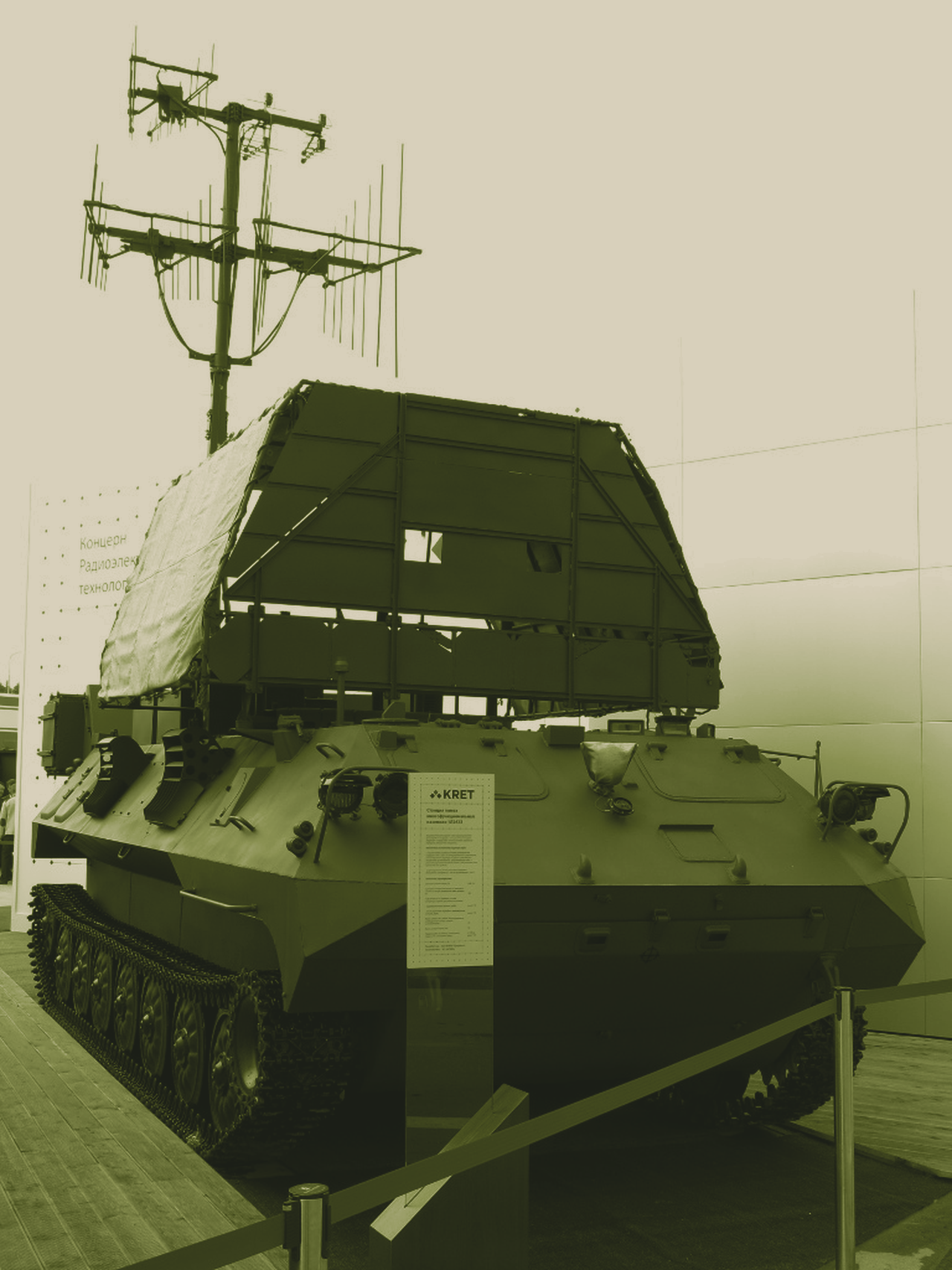
A Russian mobile electronic-warfare system intended to protect troops from munitions fitted with radio proximity fuzes.
Overview
Rtut-BM is a tracked Russian electronic-warfare station built around a specific defensive task: interfering with radio proximity fuzes on incoming artillery rounds and rockets. The manufacturer, Rostec's KRET group, says the system senses a fuze's frequency and transmits a signal intended to make the munition burst before it reaches the protected area. Rostec's account describes a protected area of up to 50 hectares. That figure is a company claim, not an independently measured combat result.
The system matters because proximity-fuzed ammunition is designed to burst above exposed personnel and equipment. An effective countermeasure would reduce that effect, but the published record establishes the system's presence more firmly than its battlefield performance. A 2015 Ukrainian delegation document presented at the OSCE identified a 1L262E in northern Luhansk. That is a Ukrainian identification in an OSCE-hosted record, not a finding by OSCE monitors.
Image - A Rtut-BM vehicle displayed at Army-2016. Photo by Boevaya mashina, CC BY-SA 4.0, adapted, via Wikimedia Commons.

🔒 The full Rtut-BM / 1L262E file is for BattlePolicy Pro members. Below the line: development history, design and capabilities, variants, the combat record, advantages and limitations, comparable systems, outlook, the full specifications table, our sourcing, and the analyst assessment: procurement, suppliers and the BattlePolicy verdict. Unlock the full file with BattlePolicy Pro →
Read next — from the Lexicon
Below this point
- Development
- Design & capabilities
- Variants
- Combat record / operational use
- Advantages
- Drawbacks / limitations
- Counterparts
- Outlook
- Key specifications
- Sources
- Analyst Section
- Procurement & contracts
- Suppliers & related companies
- Comparable systems — analyst view
- Analyst note