Russia mass-deploys an autonomous AI Molniya strike drone in Zaporizhzhia, Ukraine's adviser says
Stripped of its control antenna, the new Molniya runs on a camera and an onboard computer, defeating the jamming that is Ukraine's cheapest and most scalable defense.
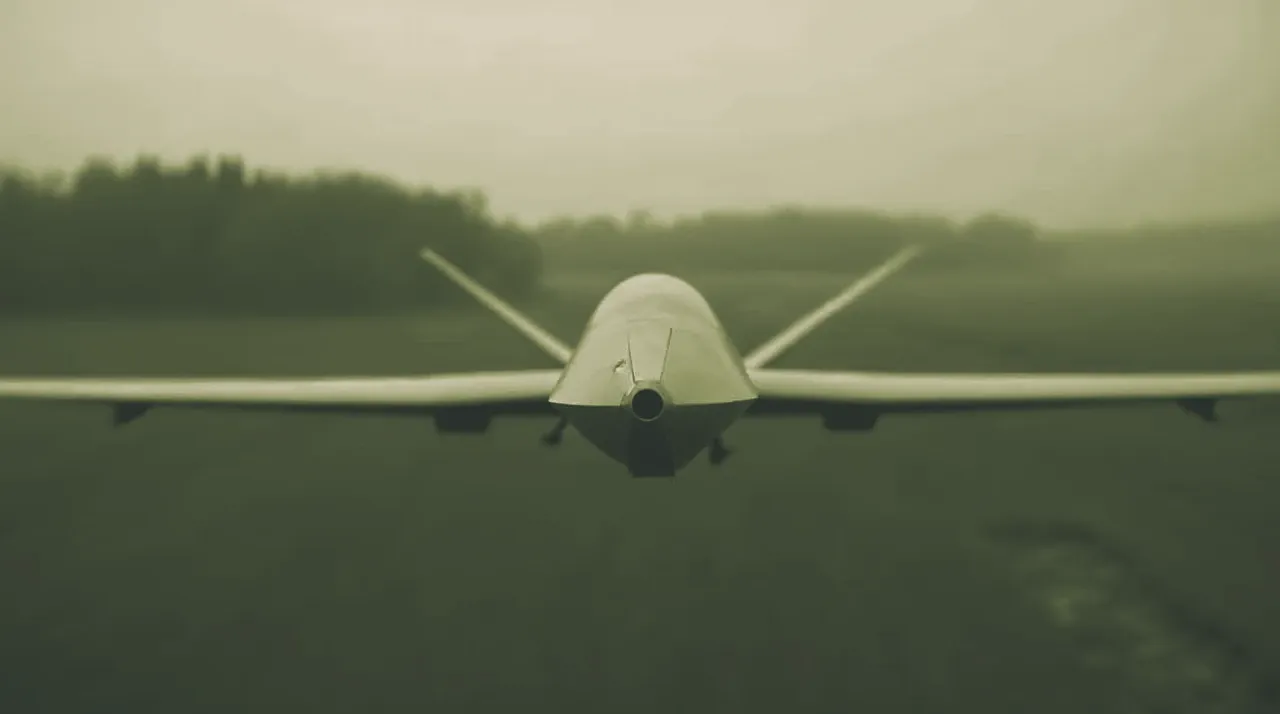
Stripped of its control antenna, the new Molniya runs on a camera and an onboard computer, defeating the jamming that is Ukraine's cheapest and most scalable defense.
Russia has begun mass-deploying an autonomous, AI-equipped version of its Molniya strike drone in the Zaporizhzhia region, Ukrainska Pravda reported Friday, citing Serhii "Flash" Beskrestnov, an adviser to Ukraine's defense minister. "The Russians have begun deploying them en masse," Beskrestnov posted, warning that "a UAV detector no longer saves you."
Beskrestnov identified the variant after a Molniya struck a Ukrainian facility and was recovered without its control antenna, carrying only a camera and an onboard computer, Defence Blog wrote. He flagged a FlyCore board in the wreckage, a platform built for onboard computer vision, per Calibre Defence. Without the radio link, Ukrainian jammers have no operator feed to cut and no video to spoof. The drone's emissions fall to near nil, which the Kyiv Post noted can delay detection.
The base Molniya is a plywood airframe that outranges short FPV drones and carries a warhead or a TM-62 mine into rear-area targets, Calibre Defence detailed. Its weakness was the control link. Navigation, target search and the attack "will become fully autonomous," Beskrestnov said, describing where the design is heading, not a fielded capability. Defence Blog cautioned that one recovered airframe does not prove every Molniya now flies itself.
Beskrestnov added that Russia is training the targeting neural network on its V2U, the loitering munition it first fielded with onboard AI. That drone's computing core runs a Chinese Leetop A203 and an NVIDIA Jetson Orin for autonomous target recognition, according to a Hudson Institute analysis by Can Kasapoglu. The same analysis found the drone war "does not yet involve fully autonomous combat," with most systems still keeping a human in the loop.
Ukraine is building the same autonomy into its own kit. Its defense ministry cleared TALION, an interceptor that doubles as a loitering munition and flies in semi-autonomous mode, The Defense Post reported. Contra Drone showed MADS, an automated system that kills drones without an operator, and Peace Duck, an AI interceptor, United24 Media wrote. Autonomous target selection entered combat testing on both sides last month.
The battlefield and the startup story — free in your inbox every week. No paywall.
Subscribe Free →The draw is cost. A plywood drone guided by a camera and a chip is cheaper to build than to shoot down, and it sidesteps jamming, the counter Ukraine can field in the largest numbers. Beskrestnov said Ukrainian forces will work out how to stop it without saying how.
Frequently Asked Questions
What did Russia reportedly deploy?
An autonomous, AI-equipped version of the cheap Molniya strike drone, mass-deployed in the Zaporizhzhia region, according to Ukrainska Pravda and Defence Blog, citing Ukrainian defense-ministry adviser Serhii "Flash" Beskrestnov. The recovered drone carried no control antenna, only a camera and an onboard computer.
Why does removing the control antenna matter?
Ukrainian electronic warfare works by cutting a drone's radio link or spoofing its video feed. A drone that navigates and attacks on an onboard computer leaves a jammer nothing to break, Defence Blog noted, and the Kyiv Post reported its near-nil emissions can delay detection.
Is every Molniya now autonomous?
No. Defence Blog cautioned that the recovery does not prove every Molniya flies itself, and a Hudson Institute analysis by Can Kasapoglu found the drone war "does not yet involve fully autonomous combat," with most systems still keeping a human in the loop. The mass-deployment claim rests on one named adviser.
What is the V2U connection?
Beskrestnov said Russia is training the targeting neural network on its V2U loitering munition, per Calibre Defence. The V2U's computing core runs a Chinese Leetop A203 and an NVIDIA Jetson Orin for autonomous target recognition and navigation, according to the Hudson Institute analysis.
What is Ukraine fielding in response?
Ukraine's defense ministry cleared the TALION interceptor, which doubles as a loitering munition and flies in semi-autonomous mode, The Defense Post reported. Contra Drone showed MADS, an automated air-defense layer that kills drones without an operator, and Peace Duck, an AI interceptor, per United24 Media.
AI-generated summary, reviewed by an editor. More on our AI guidelines.

Marcus Schuler
Marcus Schuler edits BattlePolicy, a daily defense-technology brief connecting the companies and capabilities behind modern war to the contest among Europe, the US, Russia, and China.