Ukraine codifies Wild Hornets' remote drone control, its first to clear NATO standards
Codification turns a battlefield-proven interceptor link into procurement-ready kit and lets crews fly the kill from hundreds of kilometers behind the line.
Codification turns a battlefield-proven interceptor link into procurement-ready kit and lets crews fly the kill from hundreds of kilometers behind the line.
Ukraine's Defense Ministry has codified Hornet Vision Ctrl, the remote drone control system from Ukrainian maker Wild Hornets, the first such system approved under NATO-standard codification, Euromaidan Press reported, citing Militarnyi. The step clears it for service across the Defense Forces and into a NATO-aligned procurement track.
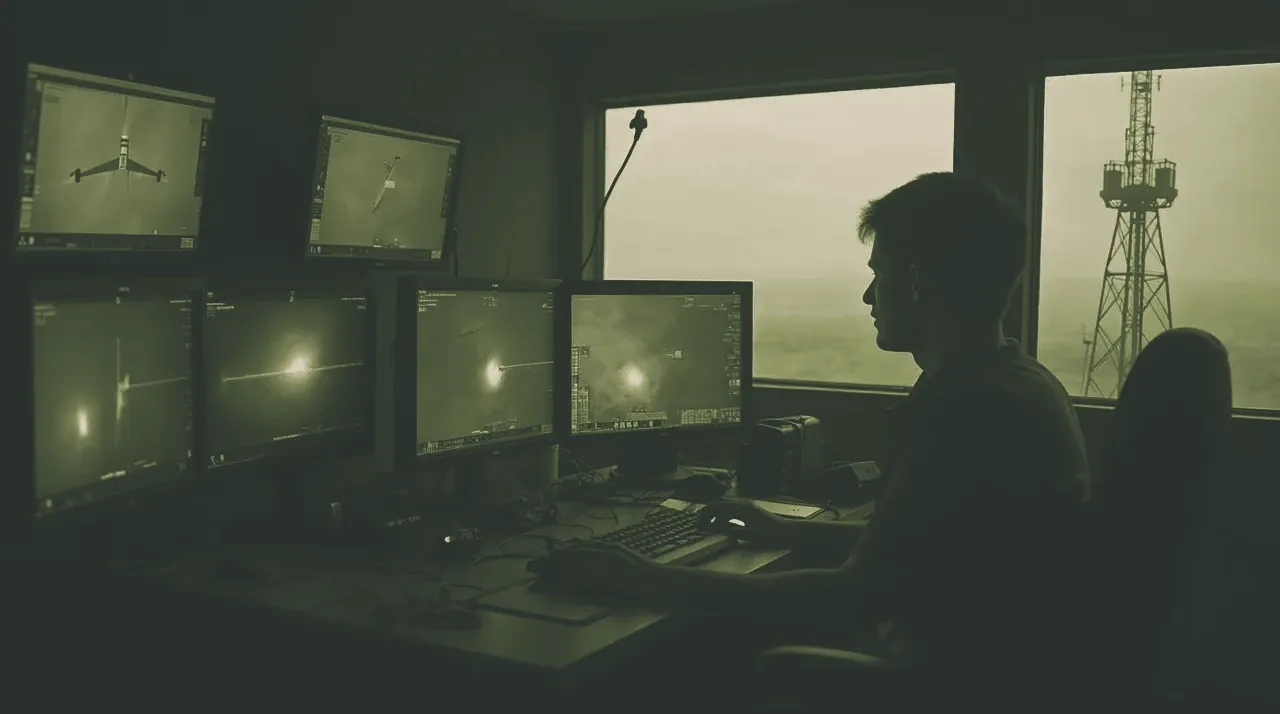
The system runs an interceptor from far behind its launch point. A ground control station, a digital video link and a 360-degree antenna feed a remote operator workstation, which keeps the pilot clear of the artillery, FPV strikes and electronic warfare that target launch sites near the front, per Euromaidan Press. Wild Hornets says the setup pushes a crew's working range from roughly 20 km to as much as 100 km.
In April, operators hit targets more than 500 km out, and one pilot ran an interceptor over northern Ukraine from 2,000 km away, outside the country, according to Euromaidan Press. First combat use came on 24 March: a pilot at the 190th special operations training centre downed a Shahed by remote control during a Russian mass attack, The Defender Media wrote. The system works with the company's Sting interceptors and sells standalone or inside air defense packages.
Wild Hornets says crews have destroyed more than 600 aerial targets with it in under three months, jet-powered Shaheds among them. The figure is the company's own, and no independent source confirms it.
Codification is the gate to volume. It moves a combat-tested system from one maker into Ukraine's formal acquisition pipeline, the route to bulk orders and to allied forces fielding the same NATO-coded equipment.
The battlefield and the startup story — free in your inbox every week. No paywall.
Subscribe Free →Russia put up 1,400 jet-powered Geran drones from January to mid-June, against 180 in all of last year, Militarnyi noted, and commander-in-chief Oleksandr Syrskyi expects jet types to reach half of all strike drones. Those Gerans cruise past 300 km/h, beyond the electric interceptors this link controls. The codification widens a crew's reach and keeps it alive, leaving speed as the gap Ukraine's faster interceptor designs still have to close.
Frequently Asked Questions
What did Ukraine codify?
Ukraine's Defense Ministry codified Hornet Vision Ctrl, a remote drone control system from Wild Hornets, as the country's first such system approved under NATO-standard codification, per Euromaidan Press citing Militarnyi.
What does the system do?
It lets a pilot operate an interceptor drone from far behind the launch site, pairing a ground control station, a digital video feed and a 360-degree antenna with a remote workstation. That cuts exposure to artillery, FPV strikes and electronic warfare, and Wild Hornets says it extends a crew's control range from about 20 km to up to 100 km.
How far has it been used?
Operators hit targets more than 500 km away in April, and one pilot flew an interceptor over northern Ukraine from 2,000 km outside the country, according to Euromaidan Press. The first combat use was on 24 March, per The Defender Media.
How many targets has it downed?
Wild Hornets claims crews have destroyed more than 600 aerial targets in under three months, including jet-powered Shaheds. The figure is the company's own and is not independently verified.
Why does codification matter?
It moves a combat-proven startup system into Ukraine's NATO-aligned procurement framework, the route to volume orders and to interoperability with allied forces fielding the same NATO-coded equipment, per Euromaidan Press and The Defender Media.
What is the main limitation?
Russia's jet-powered Geran drones fly past 300 km/h, faster than the electric interceptors the system controls. Russia used 1,400 jet drones from January to mid-June against 180 in all of last year, Militarnyi reported.
AI-generated summary, reviewed by an editor. More on our AI guidelines.

Marcus Schuler
Marcus Schuler edits BattlePolicy, a daily defense-technology brief connecting the companies and capabilities behind modern war to the contest among Europe, the US, Russia, and China.