Ukraine reaches Tatarstan's petrochemical heart on Russia Day as Moscow's oil output sinks to a one-year low
An overnight drone wave set fires at petrochemical plants 1,200 km from the border the same week OPEC data showed Russian crude production falling for a sixth straight month.
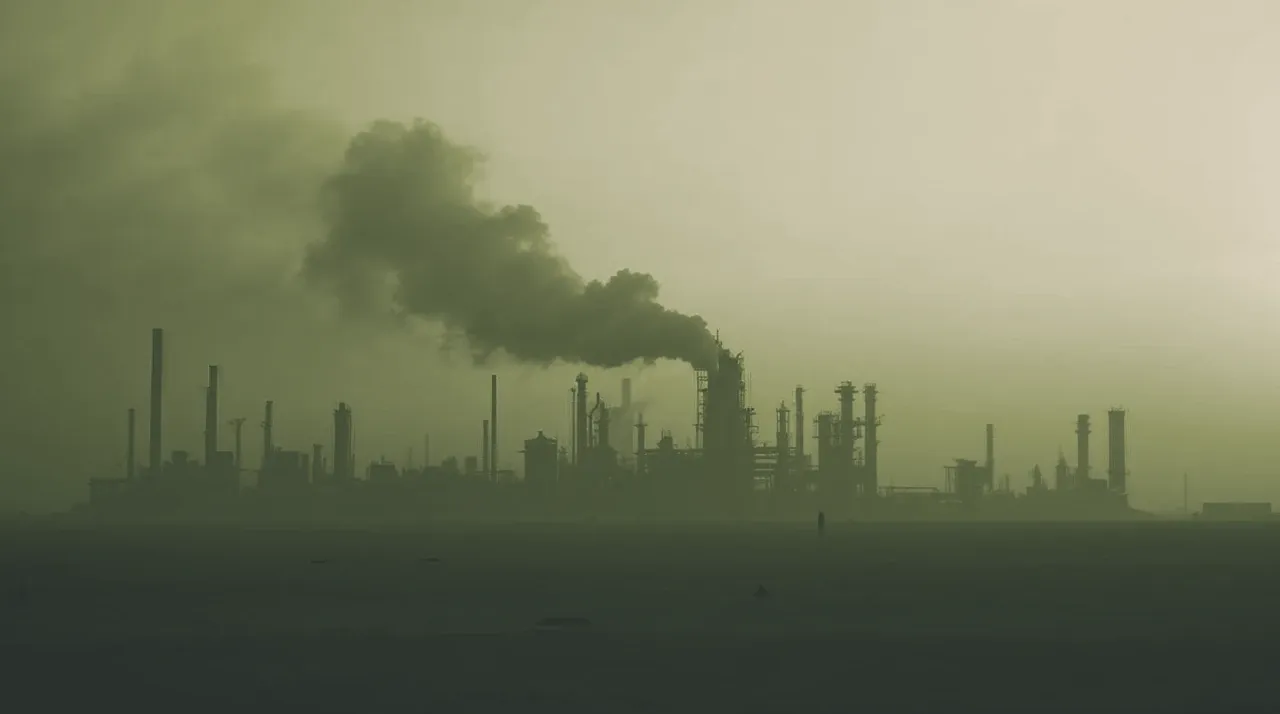
An overnight drone wave set fires at petrochemical plants 1,200 km from the border the same week OPEC data showed Russian crude production falling for a sixth straight month.
Ukrainian long-range drones struck two of Russia's biggest petrochemical complexes overnight into June 12, the Kyiv Post reported, citing monitoring channels. In Nizhnekamsk, Tatarstan, fires broke out at the Nizhnekamskneftekhim plant, a Sibur-owned producer of synthetic rubber and plastics, and at the neighboring Taneco refinery, a Tatneft facility that processes 16.2 million tons of crude a year. Preliminary data cited by the paper put two primary AVT refining units and a tank farm among the damage at Taneco.
In Togliatti, Samara region, the Togliattikauchuk chemical plant took hits the same night. Telegram monitoring channels cited by the Kyiv Post described roughly 40 minutes of explosions there, window-shaking blasts included. That target set sits deep in the Volga industrial belt, over 1,200 km from the border, the Kyiv Independent noted. Russia's Defense Ministry claimed 231 drones intercepted overnight, and its own list of affected areas runs to 16 regions plus occupied Crimea. Nizhnekamsk canceled its Russia Day events, and one drone struck a 12-story residential building there, injuring three people, the Kyiv Post reported. Ukraine had not commented at publication time.
The campaign is now visible in production data. OPEC's monthly report put Russian crude at 9.009 million barrels a day for May, a one-year low. Bloomberg's read of the same report, cited by Ukrainska Pravda, has that figure 690,000 barrels short of Moscow's OPEC+ target. May marks the sixth month of decline in a row. Since the November 2025 peak, roughly 370,000 barrels a day have come off. Bloomberg's count for May: at least 31 Ukrainian strikes on refineries, export terminals and pipelines, a wartime monthly record. Crude-processing rates this June are running at a two-decade low, the consultancy Energy Aspects estimates.
The battlefield and the startup story — free in your inbox every week. No paywall.
Subscribe Free →Oil and gas still supply a quarter to a third of Russia's federal budget. Every AVT unit that burns takes refining capacity offline faster than Moscow can rebuild it, and the June processing estimate suggests the gap is widening.
Frequently Asked Questions
Which facilities were hit on June 12?
Monitoring channels cited by the Kyiv Post reported fires at the Nizhnekamskneftekhim petrochemical plant and the Taneco refinery in Nizhnekamsk, Tatarstan, and at the Togliattikauchuk chemical plant in Togliatti, Samara region.
How far did the drones fly?
The targeted plants sit more than 1,200 km (about 620 miles) from the Russia-Ukraine border, per the Kyiv Independent. Russia's Defense Ministry claimed 231 drones were downed across 16 regions and occupied Crimea overnight.
How much oil is Russia producing now?
Russian producers averaged 9.009 million barrels per day in May, the lowest in a year and 690,000 barrels below the OPEC+ target, according to OPEC's monthly report and a Bloomberg analysis cited by Ukrainska Pravda.
Is the decline linked to Ukrainian strikes?
Ukrainian forces carried out at least 31 strikes on Russian refineries, export terminals and pipelines in May, the highest monthly total of the full-scale war, per Bloomberg. Output has fallen for six consecutive months, and Energy Aspects estimates June processing rates at a two-decade low.
Why does this matter for Russia's war budget?
Oil and gas revenues have made up roughly a quarter to a third of Russia's federal budget income in recent years, per Kyiv Post reporting, so sustained damage to refining and export capacity directly squeezes war financing.
AI-generated summary, reviewed by an editor. More on our AI guidelines.

Marcus Schuler
Marcus Schuler edits BattlePolicy, a daily defense-technology brief connecting the companies and capabilities behind modern war to the contest among Europe, the US, Russia, and China.