Ukraine's weapons makers split production across dozens of sites, and tell Europe to copy them
Kyiv's firms trade factory efficiency for survivability under Russian strikes, and Ukrainian officials say Europe's concentrated primes are the easy targets of the next war.
Kyiv's firms trade factory efficiency for survivability under Russian strikes, and Ukrainian officials say Europe's concentrated primes are the easy targets of the next war.
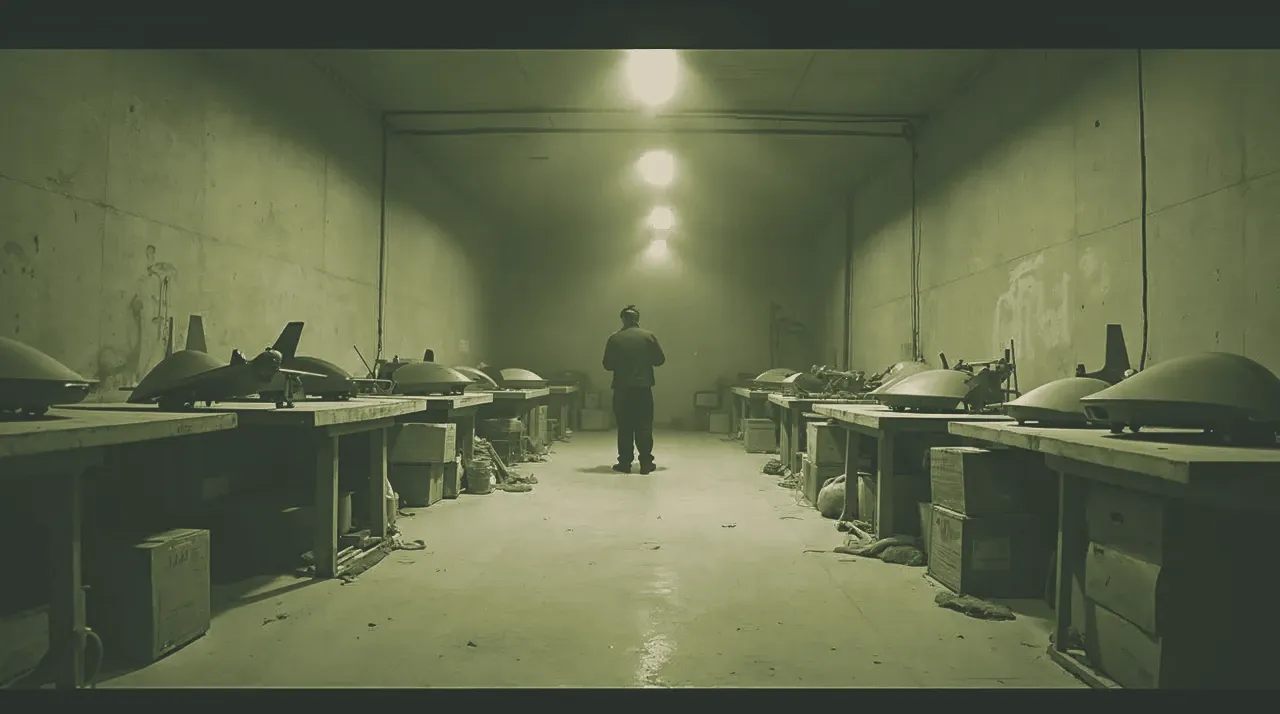
Ukrainian defense companies build weapons across dozens of dispersed, often underground sites so one Russian strike cannot halt output, and they are now telling European manufacturers to do the same, Business Insider reported.
The model has a name. The CEO of Ukrainian-Estonian ground-drone maker Ark Robotics, who used the pseudonym Achi, called it "distributed manufacturing: breaking things up so that different components are made at different sites." Necessary, he said, not ideal. Frontline Robotics, which builds aerial drones and remote weapon turrets for more than 60 Ukrainian units, has engineered itself to "endure the loss of any site," business chief Mykyta Rozhkov said. Some Ukrainian drone makers run more than 15 locations, Krattworks' Karmo Saar said, when one large plant would be cheaper. Himera splits production across 5 to 15 sites of a few dozen people each.
Dispersal is expensive and slow. It also keeps the lines running. Russian strikes have hit factories inside Ukraine, including those of US firms, and a NATO official confirmed a Russian plot to kill the CEO of Germany's Rheinmetall.
Davyd Aloian, deputy secretary of Ukraine's National Security and Defense Council, said European states facing the same threat should follow. "Some countries definitely should," he said. The catch is geography. Baltic states that feel most exposed lack Ukraine's strategic depth to hide plants, Aloian said, and may have to spread production across borders.
That is already underway. Frontline Robotics now produces in Germany through a joint venture with Quantum Systems, Quantum Frontline Industries. Ukraine will field 80 firms at Eurosatory in Paris this week, up from 10 in 2024, and has signed nearly 20 joint-production deals with five European countries. Brussels' Defence Industry Programme sets aside 300 million euros to fold Ukraine's industrial base into Europe's own.
The battlefield and the startup story — free in your inbox every week. No paywall.
Subscribe Free →The next war's factories may not look like factories. Watch which European primes start breaking themselves apart first.
Frequently Asked Questions
What is "distributed manufacturing"?
A model where weapons production is broken into components made at many separate sites, so one strike cannot stop output. Ark Robotics' CEO, using the pseudonym Achi, described it to Business Insider as "breaking things up so that different components are made at different sites."
Why are Ukrainian defense firms doing this?
Russian drone and missile strikes have hit factories inside Ukraine, including those of US firms, per Business Insider. Spreading and sometimes burying production avoids presenting one large, easily targeted plant, though it makes the work slower and more expensive.
How dispersed is production?
Some Ukrainian drone makers run more than 15 sites, Krattworks' Karmo Saar told Business Insider, even though one large facility would be cheaper. Himera splits production across 5 to 15 locations of a few dozen people each, its CEO said.
Why do Ukrainian officials say Europe should copy it?
Davyd Aloian, deputy secretary of Ukraine's National Security and Defense Council, told Business Insider that "some countries definitely should." Smaller Baltic states that feel most exposed lack Ukraine's strategic depth to hide plants and may have to spread production across borders.
Is European integration already happening?
Frontline Robotics now produces in Germany through a joint venture with Quantum Systems. Ukraine will field 80 firms at Eurosatory in Paris, up from 10 in 2024, per Army Recognition, and has signed nearly 20 joint-production deals with five European countries. The EU's Defence Industry Programme earmarks 300 million euros to fold Ukraine's industrial base into Europe's, per the European Commission.
AI-generated summary, reviewed by an editor. More on our AI guidelines.

Marcus Schuler
Marcus Schuler edits BattlePolicy, a daily defense-technology brief connecting the companies and capabilities behind modern war to the contest among Europe, the US, Russia, and China.