R-330Zh Zhitel
Russia's R-330Zh Zhitel is a truck-mounted electronic-warfare station built to detect, direction-find and jam GNSS, satellite-phone, cellular and selected radio communications.
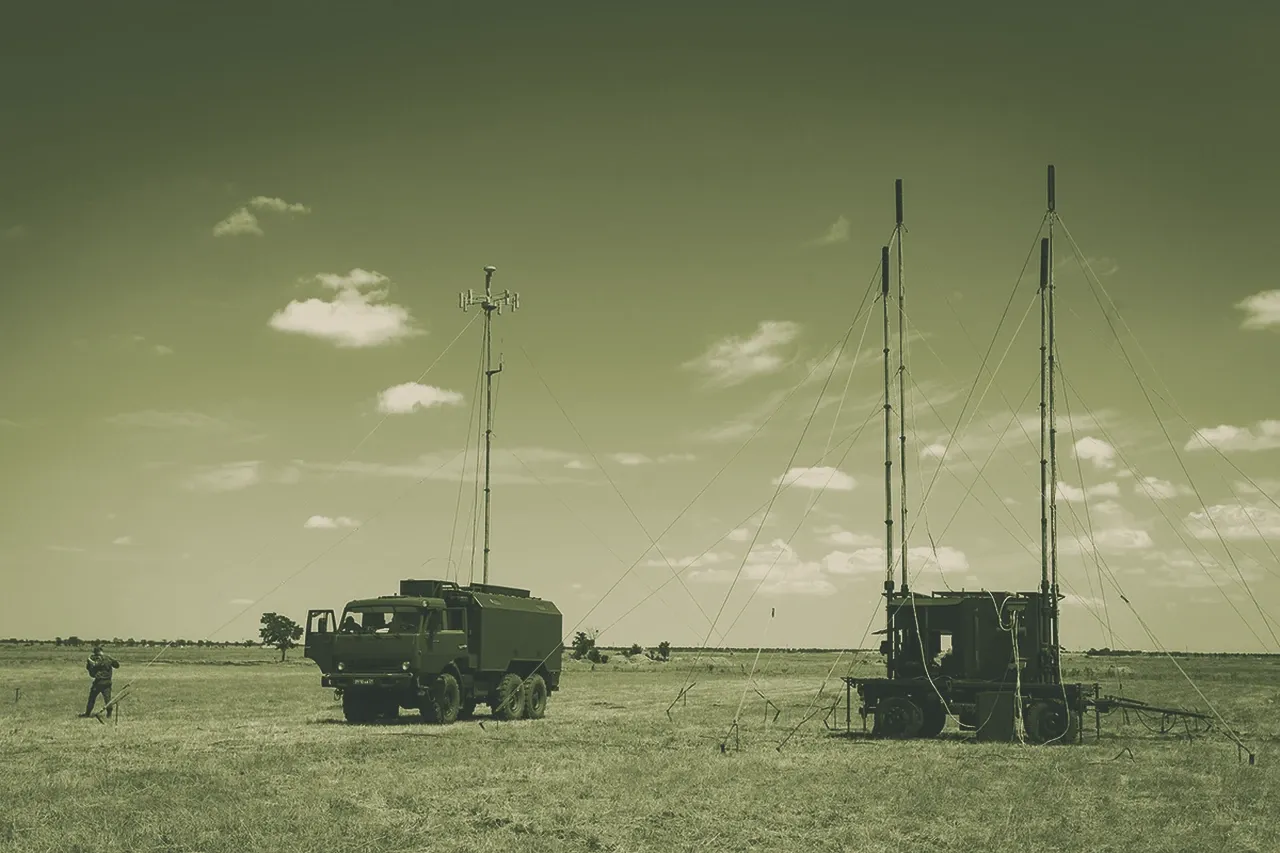
Russia's R-330Zh Zhitel is a truck-mounted electronic-warfare station built to detect, direction-find and jam GNSS, satellite-phone, cellular and selected radio communications.
Overview
The R-330Zh Zhitel is a Russian mobile electronic-warfare system used for signals reconnaissance, direction-finding and jamming of navigation and communications links. Open military-reference sources describe it as a truck-and-trailer station manufactured by NVP Protek, fielded by Russian ground forces and designed to interfere with GPS, Inmarsat, Iridium and GSM-band communications within the lower radio-frequency spectrum. The type has become one of the better-documented Russian ground EW systems in Ukraine because its mission is tactically important and because its high-power emissions and large antenna array make it a recurrent target for Ukrainian reconnaissance-strike systems.
Zhitel occupies the space between tactical communications jammers and larger theater EW systems. It is not a cyber system or a destructive weapon; its primary military effect is denial or degradation of radio-frequency services. In Ukraine, reporting by RUSI and Ukrainian defense outlets links the system to counter-GNSS effects against precision-guided munitions, UAV control and data links, and battlefield communications.
🔒 The full R-330Zh Zhitel file is for BattlePolicy Pro members. Below the line: development history, design and capabilities, variants, the combat record, advantages and limitations, comparable systems, outlook, the full specifications table, our sourcing, and the analyst assessment — procurement, suppliers and the BattlePolicy verdict. Unlock the full file with BattlePolicy Pro →
Below this point
- Development
- Design & capabilities
- Combat record / operational use
- Advantages
- Drawbacks / limitations
- Counterparts
- Outlook
- Key specifications
- Sources
- Analyst Section
- Procurement & contracts
- Suppliers & related companies
- Comparable systems — analyst view
- Analyst note