Ajax
Britain's troubled recon vehicle — a tracked, sensor-heavy armoured scout with a 40mm cased-telescoped cannon, meant to be the British Army's digital eyes. Eight years late and beset by noise-and-vibration injuries that hospitalized crews, it finally began entering service in 2025.
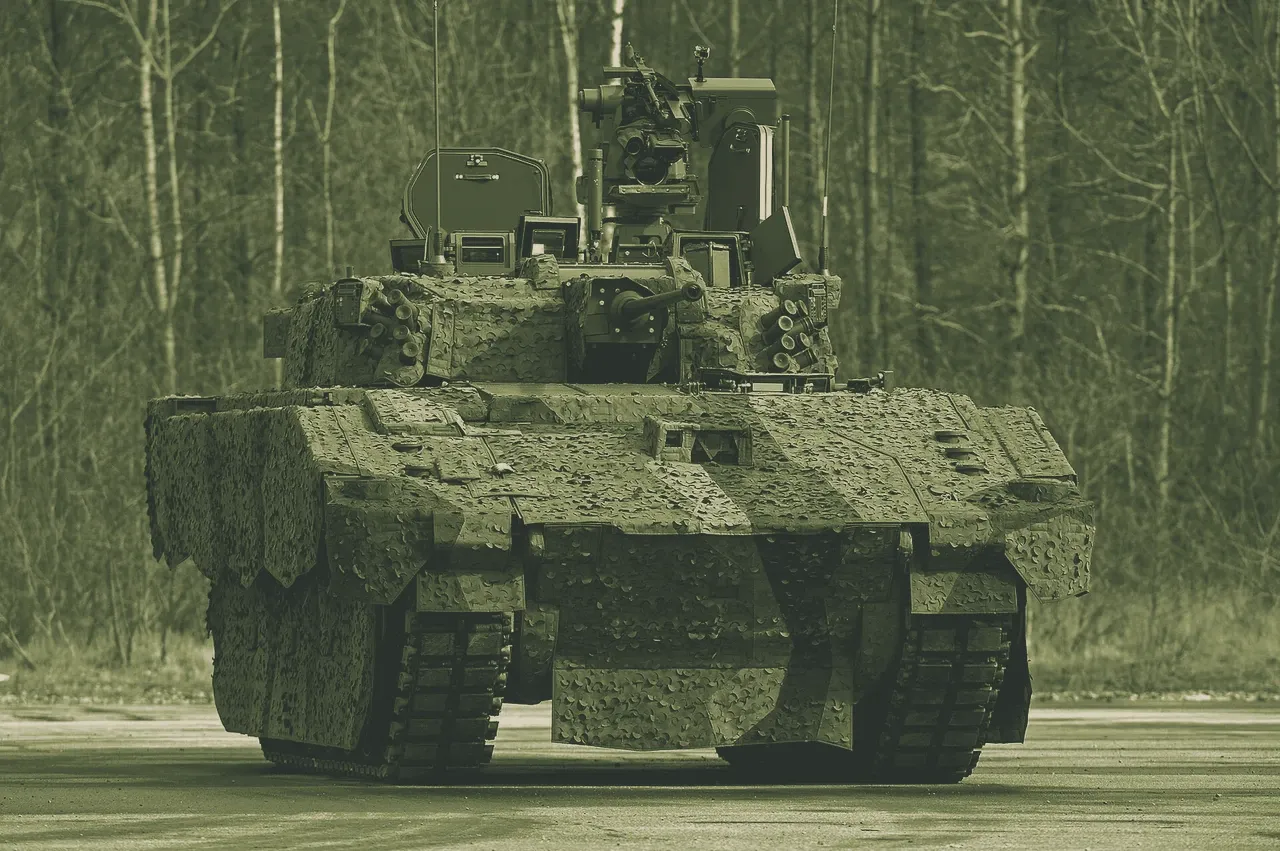

Britain's troubled armoured scout — Ajax (formerly Scout SV) is a tracked, sensor-heavy reconnaissance vehicle family built to be the British Army's digital eyes on the battlefield, armed with a 40mm cased-telescoped cannon. It is also one of the most notorious procurement sagas in modern British defence: roughly eight years late, billions over its troubles, and halted by noise-and-vibration problems severe enough to injure and hospitalize crews. After a decade of crisis it finally began entering service in 2025 — a vehicle defined as much by how hard it was to build as by what it can do.
Overview
Ajax is a family of tracked armoured fighting vehicles developed by General Dynamics Land Systems UK (GDLS-UK) for the British Army, intended primarily for armoured reconnaissance and to give the Army a modern, networked, sensor-rich ground-surveillance and strike-scouting capability. The lead Ajax reconnaissance variant mounts a 40mm CTA International CT40 cannon — the same cased-telescoped gun as France's EBRC Jaguar — with a 7.62mm coaxial weapon and an extensive sensor suite, on a heavy tracked chassis. It anchors a family of role variants (Ares, Athena, Argus, Atlas, Apollo). But Ajax is as much a cautionary tale as a weapon system: a program criticized by the National Audit Office and Parliament, paused for years over crew-injuring noise and vibration, and only now reaching the front line — a case study in how Western armoured-vehicle procurement can go badly wrong.
🔒 The full Ajax file is for BattlePolicy Pro members. Below the line: development history, design and capabilities, variants, the combat record, advantages and limitations, comparable systems, outlook, the full specifications table, our sourcing, and the analyst assessment — procurement, suppliers and the BattlePolicy verdict. Unlock the full file with BattlePolicy Pro →
Below this point
- Development
- Design & capabilities
- Variants
- Combat record / operational use
- Advantages
- Drawbacks / limitations
- Counterparts
- Outlook
- Key specifications
- Sources
- Analyst Section
- Procurement & contracts
- Suppliers & related companies
- Comparable systems — analyst view
- Analyst note