BrahMos
The world's fastest cruise missile in service — India and Russia's BrahMos is a Mach-3 ramjet weapon that hits ships and land targets from sea, land, air and submarine. India used it in combat against Pakistan in 2025 and now exports it to the Philippines.
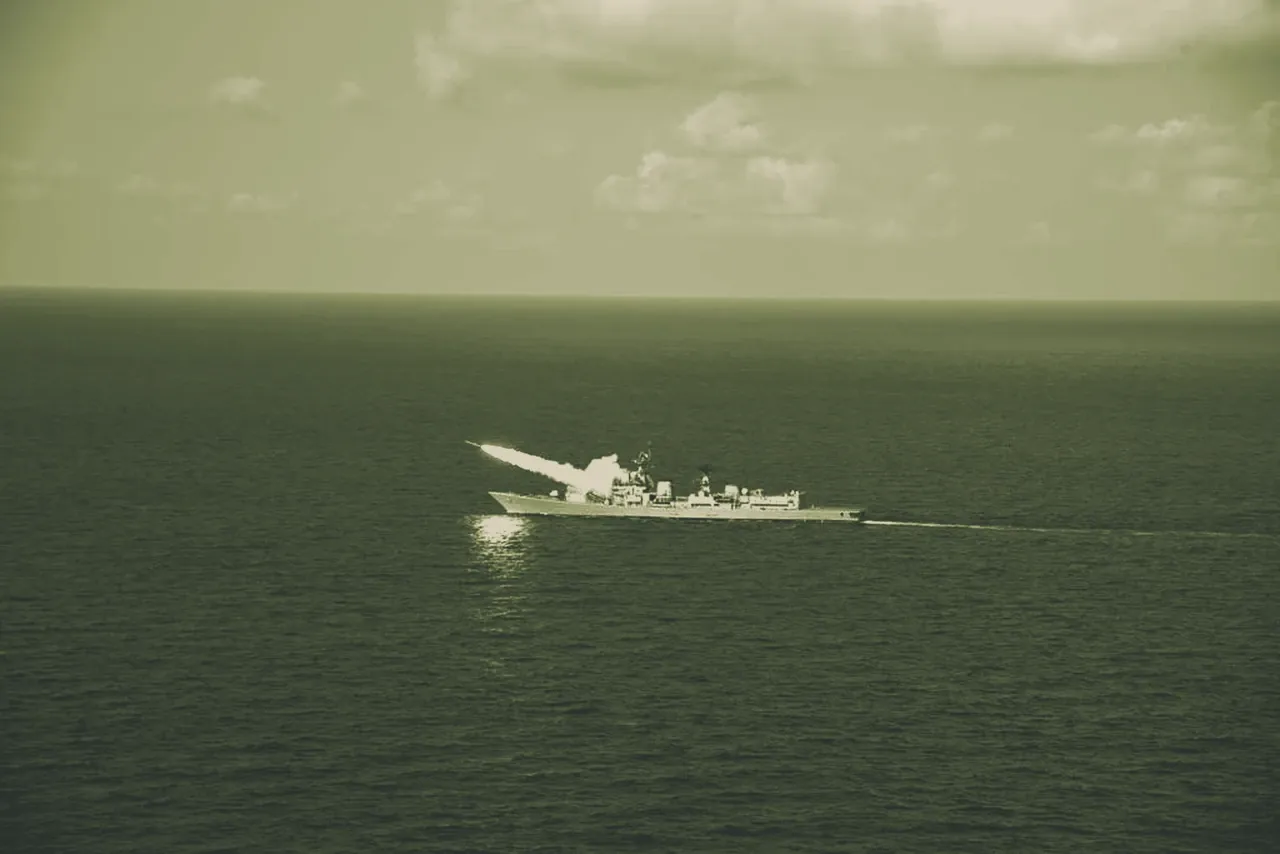

The world's fastest cruise missile in service — the BrahMos is a Mach-3 ramjet weapon, jointly built by India and Russia, that streaks toward ships or land targets too fast for most defences to stop. Launchable from warships, land vehicles, fighter jets and submarines, it gives India a versatile, hard-hitting strike weapon that it used in combat against Pakistan in 2025 — and has begun exporting (to the Philippines first), making the BrahMos both a pillar of Indian firepower and the flagship of its drive to become an arms exporter.
Overview
The BrahMos (designated PJ-10, and nicknamed Brahmastra) is a supersonic cruise missile produced by BrahMos Aerospace, a joint venture between India's Defence Research and Development Organisation (DRDO) and Russia's NPO Mashinostroyeniya — the name fusing the Brahmaputra and Moskva rivers. Derived from the Russian P-800 Oniks/Yakhont, it is a two-stage weapon: a solid-fuel booster launches it, then a liquid-fuel ramjet sustains supersonic cruise at around Mach 2.8–3, making it one of the fastest operational cruise missiles in the world. Its great strength is versatility — it strikes both ships and land targets and can be launched from warships, land-based mobile launchers, fighter aircraft and submarines — combined with the penetrating power of high supersonic speed. India fields it in large numbers across all three services, has used it in combat, and is now exporting it, beginning with the Philippines.
🔒 The full BrahMos file is for BattlePolicy Pro members. Below the line: development history, design and capabilities, variants, the combat record, advantages and limitations, comparable systems, outlook, the full specifications table, our sourcing, and the analyst assessment — procurement, suppliers and the BattlePolicy verdict. Unlock the full file with BattlePolicy Pro →
Below this point
- Development
- Design & capabilities
- Variants
- Combat record / operational use
- Advantages
- Drawbacks / limitations
- Counterparts
- Outlook
- Key specifications
- Sources
- Analyst Section
- Procurement & contracts
- Suppliers & related companies
- Comparable systems — analyst view
- Analyst note