FDI Frigate
France's "digital-native" frigate — a 4,500-tonne multi-mission warship with a fixed four-panel AESA radar, Aster air-defence and Exocet anti-ship missiles, and a cyber-hardened combat system designed from the keel up. Built for France and Greece, where it has already fought drones in the Red Sea.
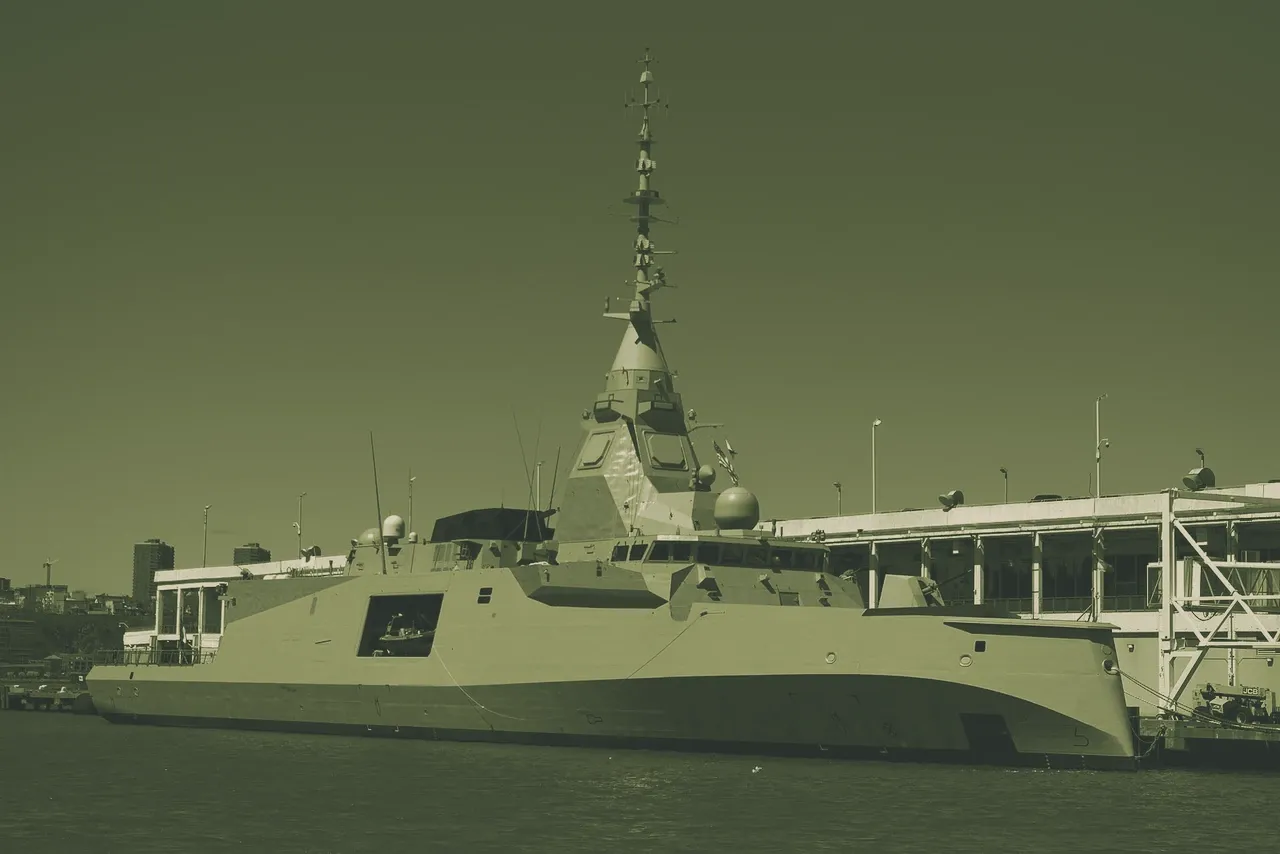

France's "digital-native" frigate — the Frégate de Défense et d'Intervention (FDI), lead ship Amiral Ronarc'h — is a 4,500-tonne multi-mission warship built around a fixed four-panel Sea Fire AESA radar, Aster air-defence and Exocet anti-ship missiles, and a cyber-hardened combat system designed in from the keel up rather than bolted on. Compact, heavily armed for its size, and conceived as the affordable, exportable workhorse of the French fleet, it entered service in 2025 — and in Greek hands has already shot down drones over the Red Sea.
Overview
The FDI (export name Belharra) is a multi-mission guided-missile frigate developed by Naval Group with Thales, designed to handle anti-air, anti-surface, anti-submarine and special-operations tasks in one compact, ~4,500-tonne hull. Its signature feature is the Sea Fire radar — a fixed, four-faced active electronically scanned array giving continuous 360° coverage without a rotating antenna — paired with Aster 15/30 surface-to-air missiles in a Sylver vertical launcher, Exocet MM40 Block 3C anti-ship missiles, a 76mm gun, MU90 anti-submarine torpedoes, and point-defence systems including Mistral for the drone threat. Just as defining is what's inside: the FDI is described as France's first "digital-native" warship, built with an integrated, cyber-protected digital architecture and two onboard data centres rather than a patchwork of separate systems. It is the modern, mid-tier complement to France's larger FREMM frigates.
🔒 The full FDI Frigate file is for BattlePolicy Pro members. Below the line: development history, design and capabilities, variants, the combat record, advantages and limitations, comparable systems, outlook, the full specifications table, our sourcing, and the analyst assessment — procurement, suppliers and the BattlePolicy verdict. Unlock the full file with BattlePolicy Pro →
Below this point
- Development
- Design & capabilities
- Variants
- Combat record / operational use
- Advantages
- Drawbacks / limitations
- Counterparts
- Outlook
- Key specifications
- Sources
- Analyst Section
- Procurement & contracts
- Suppliers & related companies
- Comparable systems — analyst view
- Analyst note